Harvesting mushrooms: at what stage to pick and what to do right after
Signs of maturity in oyster mushrooms, shiitake, lion's mane, reishi and cordyceps, how harvest stage affects composition, how to cool fresh mushrooms and why a mask is needed for oyster harvests.
Author: Volodymyr Sobol
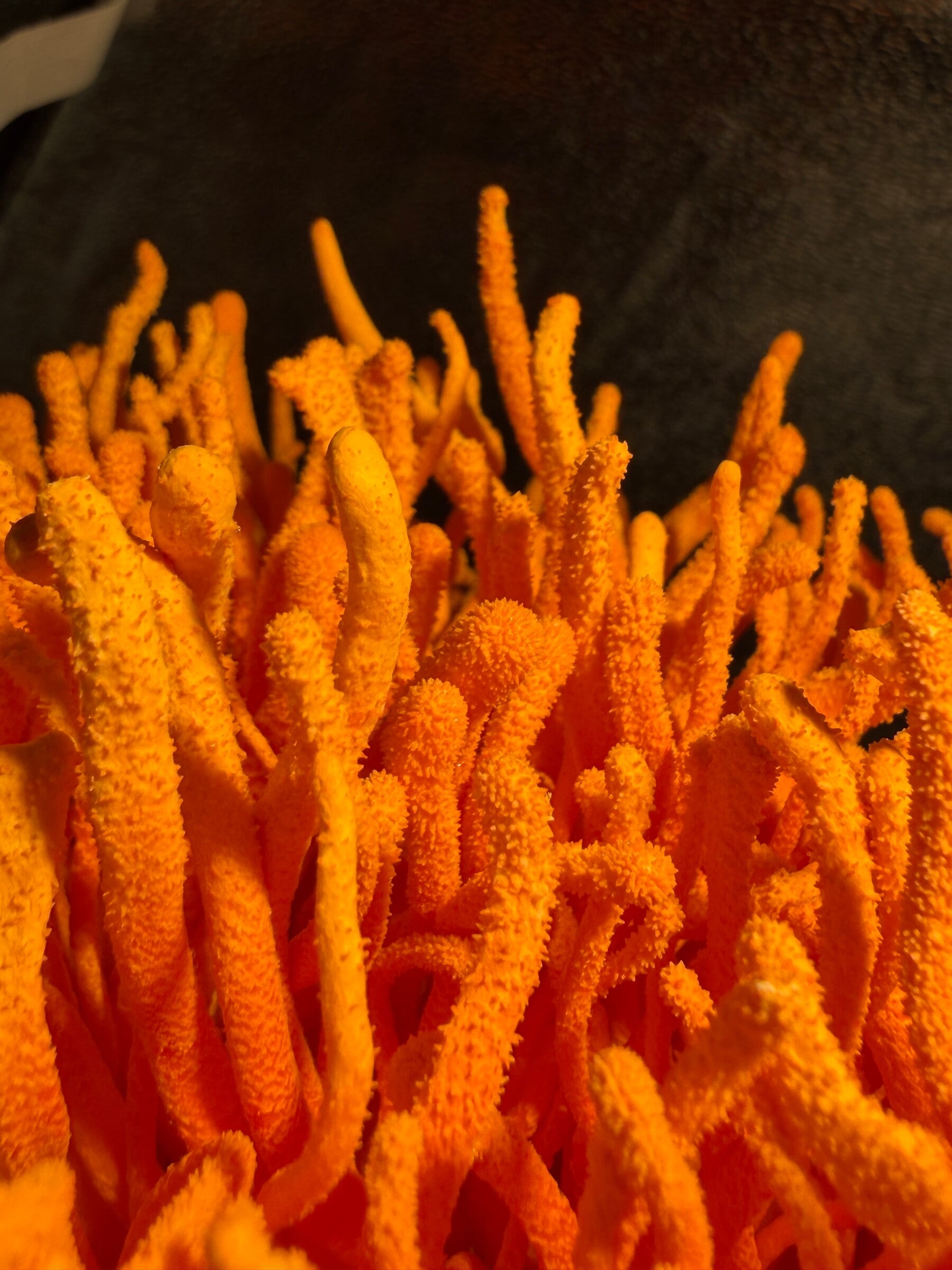
Harvesting seems the simplest step: the mushroom has grown, so you cut it. In fact, exactly when it is cut determines the composition of the raw material, its appearance, how long the mushroom stays fresh and how many spores end up in the air of the growing room. We harvest mushrooms at the right stage of maturity, and that stage is different for each species. Fermented mycelium is also harvested at this step. Depending on the species, some of the mushrooms are sold fresh and the rest go for drying.
The article covers the signs used to determine the harvest stage for oyster mushrooms, shiitake, lion's mane, reishi and cordyceps, how the stage affects composition, how to harvest and what to do with fresh mushrooms immediately after harvest, and why spores need to be considered when harvesting oyster mushrooms.
Why the stage matters
The fruiting body changes every day: the cap grows, the gills open and spore release begins. The composition changes along with this.
This has been shown most fully for oyster mushrooms. A 2025 study compared five commercial species, among them the oyster mushroom, pink oyster and golden oyster, at three stages — young, middle and mature. With maturation, the content of nutrients and polysaccharides increased in all species, while moisture decreased slightly: from 86.9–89.8% in young mushrooms to 83.8–87.9% in mature ones. Ergothioneine and phenolic compounds, however, were highest at the middle stage in all five species (Kumla J. et al., 2025). In other words, there is no "best" stage for everything at once: a young, a middle-stage and a mature mushroom are slightly different raw materials.
Oyster mushrooms
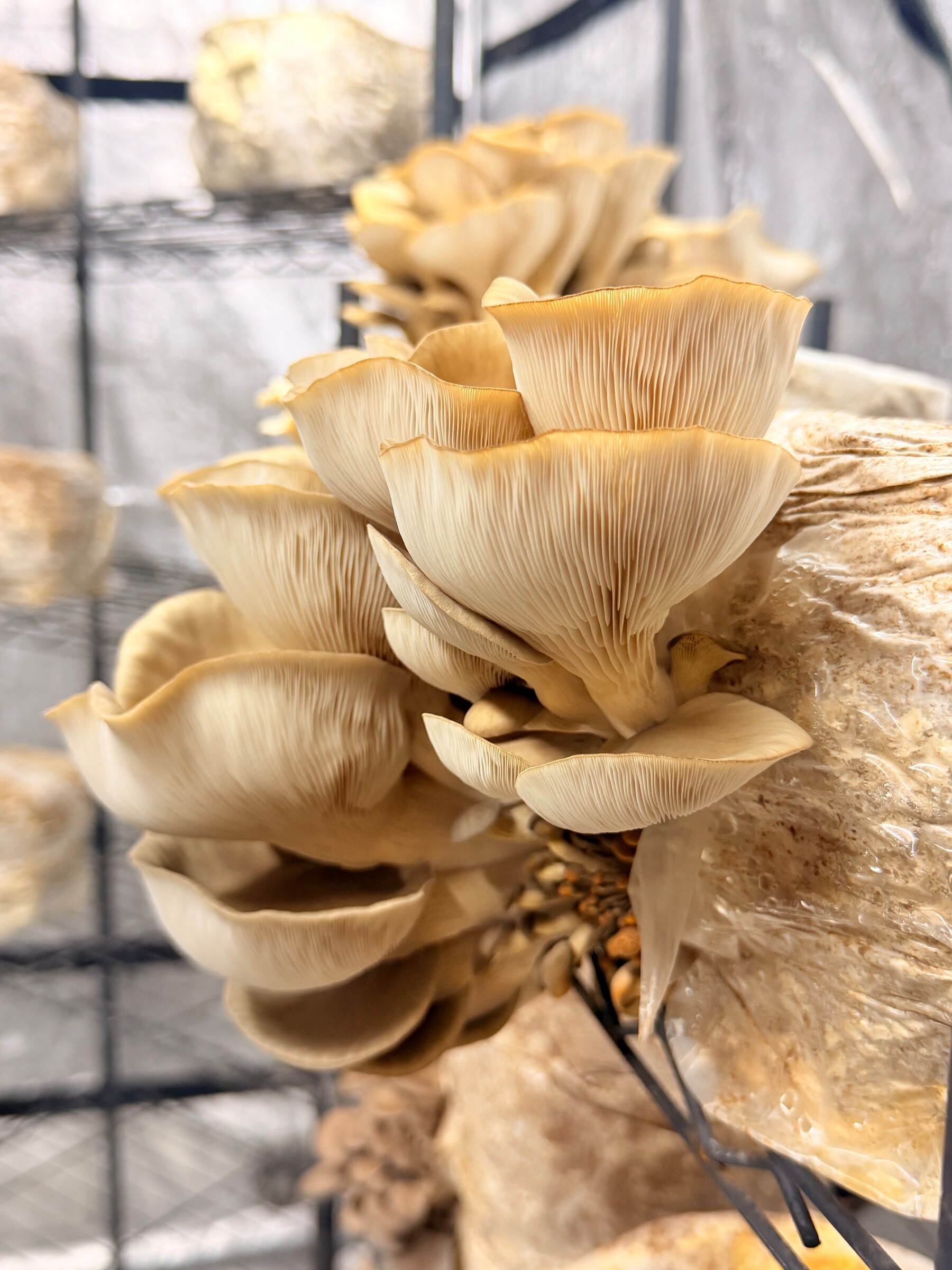
The stages of oyster mushrooms in the 2025 study were described by cap diameter and the shape of its margin:
| Species | Young | Middle | Mature |
|---|---|---|---|
| Oyster mushroom (Pleurotus ostreatus) | 10–25 mm, margin tightly inrolled | 26–50 mm, margin tightly inrolled | from 51 mm, cap flat or funnel-shaped |
| Golden oyster (P. citrinopileatus) | 5–20 mm, convex, margin inrolled | 21–40 mm, open, beginning to flatten | from 41 mm, flat, margin slightly lowered |
| Pink oyster (P. djamor) | 10–25 mm, margin curled inwards | 26–50 mm, flat, margin wavy | from 51 mm, broad and flat, margin may curl upwards |
The practical sign given in farmers' manuals is the cap margin. Oyster mushrooms are harvested while the margin is still slightly curled downwards, before the cap fully flattens or the margin turns upwards. A manual published under a US Department of Agriculture programme (SARE) explains why: this way the mushroom keeps its best texture and lasts longer, and it also releases fewer spores. University of California Cooperative Extension puts it the same way: harvest just before the curled margin flattens out.
Oyster mushrooms grow fast. If the growing room is warmer than 15–16 °C, the same SARE manual advises inspecting and harvesting the mushrooms twice a day — in the morning and in the evening. The next flush of oyster mushrooms appears about 10 days later, and each flush yields less (Wang Q. et al., 2024).
Shiitake
For shiitake, the harvest signs are set out in a Cornell University manual: the gills are already visible, and the cap margin is still slightly curled downwards, but not tightly. If the margin has flattened, the mushroom is slightly overripe, although it remains edible. On the market, shiitake with a cap that is still curled and slightly closed are valued more. Shiitake were harvested by the same criterion in a 2024 study on sawdust blocks (El Sebaaly Z. et al., 2024).
After soaking, which triggers fruiting, shiitake on sawdust blocks is ready to harvest in about 9–11 days (Pennsylvania State University). The block rests between flushes: in the same 2024 study, after the first harvest the blocks were kept in the dark at 22 °C for another two weeks and then soaked again in ice-cold water to obtain a second flush. Indoors, up to four flushes are taken from one block, depending on the soaking schedule. How a block is prepared for fruiting is covered in the article on fruiting.
Lion's mane
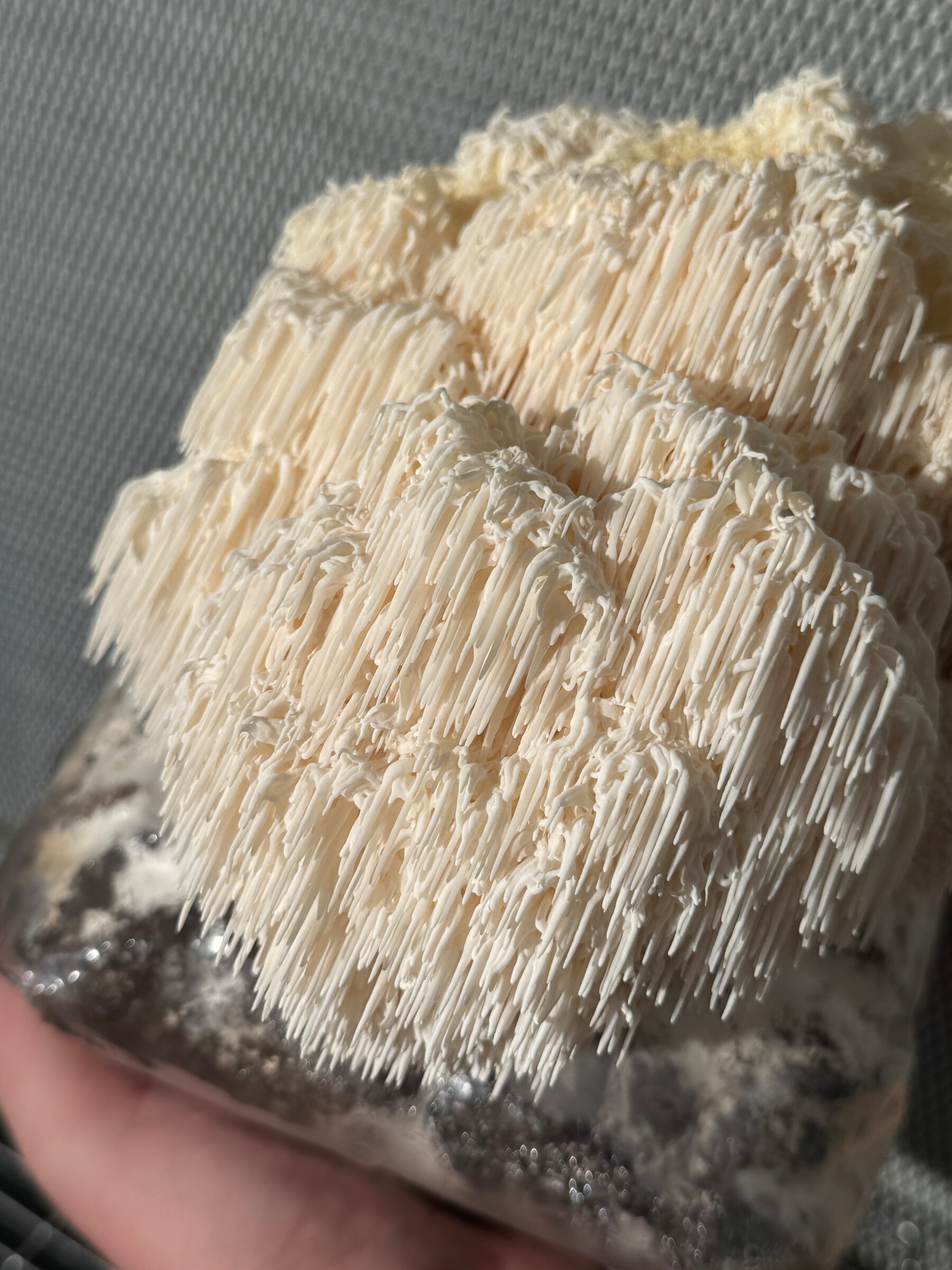
In a study of lion's mane polysaccharides, the development of the fruiting body was divided into seven stages: from primordium formation (H1) through the "lump" and splitting stages to the stages of small and medium spines (H4, H5), the mature stage (H6) and the overmature stage (H7). The yield and content of polysaccharides increased while the mushroom was actively forming the fruiting body and decreased with maturation. The authors recommend harvesting at stages H4–H5, when the spines have already formed but the mushroom has not yet matured (Wu D. et al., 2018).
The outward sign of overripeness is colour: the fruiting body of lion's mane is mostly white, and with age it turns yellow or brown (Kim S., 2020).
King oyster and pioppino
For king oyster, we could not find a generally accepted visual harvest sign in scientific sources. All that is known is how the composition changes: as the fruiting body matures, the content of carbohydrates and protein increases, and the fat content decreases (Cui F. et al., 2014).
For pioppino, a 2026 study notes that fruiting bodies at different stages differ noticeably in structure, and this affects both market value and quality: the cap gradually opens and becomes lighter (Luo L. et al., 2026; the study was carried out on the closely related Asian species Cyclocybe chaxingu). After harvest, pioppino quickly loses protein: at 4 °C and 90% humidity, the soluble protein content fell sharply for the first 5 days and then stabilised (Yang C. et al., 2025).
Reishi
Reishi is not harvested "by age" — it is harvested when it stops growing. The outward sign is the disappearance of the white growth margin on the cap. This is exactly how the harvest point was determined in a 2021 study: the fruiting bodies were harvested when they stopped growing and the white margin disappeared, and then dried at 60 °C (Fraile-Fabero R. et al., 2021).
A 2019 study describes the late stages of reishi development as follows: cap formation with a white margin, an immature stage with a yellow margin, a mature stage before spore release and an overmature stage after release (Satria D. et al., 2019). Most of the compounds measured there accumulated up to the mature stage, and certain ganoderic acids were highest exactly then. Another study showed a maximum of total triterpenoids at the immature stage (Feng Z. R. et al., 2015). The sources give no single "best" stage for reishi triterpenoids. Something else is known: the carbohydrates accumulated early in fruiting body development are used up by the mushroom as it matures and releases spores en masse (Zhou S. et al., 2021). So it is not worth delaying the harvest after the white margin has disappeared.
Cordyceps militaris
Cordyceps in jars is harvested when the tips of the fruiting bodies thicken and granular perithecia appear on them — small bumps in which the spores develop. This is how the harvest point was determined in a 2025 study; the fruiting bodies grew at 85–95% humidity and 18–22 °C (Guo A. et al., 2025).
Studies disagree on the best time to harvest. In one trial the seventh week proved optimal: the yield of fresh fruiting bodies was 41.77 g per jar, adenosine 2.7 mg/g, cordycepin 6.21 mg/g; after the seventh week the content of these compounds decreased noticeably (Singpoonga N. et al., 2020). Another study, on the contrary, showed that there is more cordycepin at the senescence stage of the fruiting bodies (Oh J. et al., 2019). So the harvest time depends on the strain and the technology and should be checked by analysis on your own culture.
Fermented mycelium
At this same step we also harvest the grain after solid-state fermentation. This is a different raw material from the fruiting body. In lion's mane this is especially clear: erinacine A was found in the mycelium, and hericenones C and D in the fruiting bodies; the primordium contained neither (Corana F. et al., 2019). A 2026 review confirms that the main natural source of erinacines is the mycelium (Wang J. et al., 2026). That is why it is important to state on the label exactly what the product is made from: fruiting bodies or mycelium.
How to harvest
The Cornell University manual for shiitake describes a simple method: most experienced growers simply twist and pull the mushroom off by hand; it can also be cut with curved scissors or a knife. Dirt is gently brushed off, and the mushroom is not washed with water. Harvested mushrooms are placed in an open basket, a paper bag or another container that lets air through.
Fresh mushrooms after harvest
A harvested mushroom keeps respiring — and very intensively. In the US Department of Agriculture handbook, mushrooms are placed in the class of products with the highest respiration rate — over 60 mg CO₂ per kilogram per hour at 5 °C, alongside asparagus, broccoli and spinach. So the main rule is to cool them as quickly as possible.
- For button mushrooms, the same handbook advises cooling them to 2–4 °C immediately after harvest. At 0–1 °C and 95% humidity they keep for 7–9 days, and at 2 °C only 3–5.
- In a 2022 review, pre-cooling to 2 °C improved the keeping quality of mushrooms, while cooling only to 6 or 10 °C could do harm (Dawadi E. et al., 2022).
- Oyster mushrooms keep for 7–14 days at 0–5 °C and 95% humidity; shiitake keeps for 1–3 days at room temperature and for 5–7 days at 0–2 °C (Asdullah H. U. et al., 2024).
- King oyster keeps for 1–3 days at room temperature and for 4–7 days at 4 °C; it is usually stored at 4–6 °C and about 95% humidity (Guo Y. et al., 2023).
Mushrooms are not sealed airtight. The SARE manual warns that oyster mushrooms in a closed airtight container begin to rot within 1–2 days; the Cornell manual likewise advises against sealing shiitake.
Oyster mushroom spores and occupational safety
Oyster mushrooms release a great many spores: depending on the stage, a fruiting body can produce up to a billion spores per gram per day. Unlike button mushrooms or shiitake, oyster mushroom gills are not covered by anything, so the spores escape freely into the air. There are most of them in the room during harvesting and packing (Ficociello B. et al., 2019).
For people who work in such a room every day, this is an occupational risk. Cases of allergic lung inflammation in workers who harvested oyster mushrooms have been described since the 1970s (Noster U. et al., 1976); under laboratory conditions the symptoms were reproduced specifically by the mushroom's spores (Cox A. et al., 1988). A similar case has been described for king oyster (Saikai T. et al., 2002). Because of this, breeders have even developed sporeless oyster mushroom strains (Baars J. et al., 2025).
Protection is simple: good ventilation with air filtration, gloves and a respirator or a close-fitting mask during harvesting, and regular cleaning. And one more reason not to let oyster mushrooms overripen: the earlier they are harvested, the fewer spores there are in the air.
What this means in practice
- We determine the harvest stage separately for each species: for oyster mushrooms and shiitake by the cap margin, for lion's mane by the spines and colour, for reishi by the disappearance of the white margin, for cordyceps by the thickening of the tips and the perithecia.
- In a warm growing room we inspect oyster mushrooms twice a day: they overripen within a matter of hours.
- For cordyceps we check the harvest time by analysis on our own strain: the research data contradict each other.
- We cool fresh mushrooms immediately and do not seal them airtight.
- Mushrooms intended for processing are passed on for drying without delay.
- When harvesting oyster mushrooms we work in a mask and keep the ventilation running.
Sources
Stages and composition
- Kumla J., Lumyong S., Suwannarach N., 2025. Centesimal Composition, Bioactive Compounds, Antioxidant and α-Glucosidase Inhibitory Activities of Commercial Edible Oyster Mushrooms at Different Maturity Stages in Northern Thailand. Foods 14(20), 3511.
- Wu D. et al., 2018. Structural Properties and Macrophage Activation of Cell Wall Polysaccharides from the Fruiting Bodies of Hericium erinaceus. Polymers 10(8), 850.
- Kim S., 2020. Antioxidant Compounds for the Inhibition of Enzymatic Browning by Polyphenol Oxidases in the Fruiting Body Extract of the Edible Mushroom Hericium erinaceus. Foods 9(7), 951.
- Cui F. et al., 2014. Changes in Chemical Components and Cytotoxicity at Different Maturity Stages of Pleurotus eryngii Fruiting Body. Journal of Agricultural and Food Chemistry 62(52), 12631–12640.
- Luo L. et al., 2026. Genome and Comparative Transcriptome Analysis of Growth and Developmental Changes in the Pileus of the Cyclocybe chaxingu. Journal of Fungi 12(1), 63.
Reishi and cordyceps
- Fraile-Fabero R. et al., 2021. Differences in Antioxidants, Polyphenols, Protein Digestibility and Nutritional Profile between Ganoderma lingzhi from Industrial Crops in Asia and Ganoderma lucidum from Cultivation and Iberian Origin. Foods 10(8), 1750.
- Satria D. et al., 2019. Mass Spectrometry-Based Untargeted Metabolomics and α-Glucosidase Inhibitory Activity of Lingzhi (Ganoderma lingzhi) During the Developmental Stages. Molecules 24(11), 2044.
- Feng Z. R., Li H. J., Xu J. W., 2015. Ganoderic Acid Accumulation and Biosynthetic Gene Expression during Fruiting Body Development in Ganoderma lucidum. Proceedings of the AP3ER 2015 conference.
- Zhou S. et al., 2021. Integrative Analysis of Selected Metabolites and the Fungal Transcriptome during the Developmental Cycle of Ganoderma lucidum Strain G0119. Applied and Environmental Microbiology 87(13), e00533-21.
- Guo A. et al., 2025. Upcycling Chitin Waste and Aged Rice into Fungi Protein Through Fermentation with Cordyceps militaris. Journal of Fungi 11(4), 315.
- Singpoonga N., Sang-on B., Chaiprasart P., 2020. Effects of culture periods on fruiting body formation and bioactive compounds production of Cordyceps militaris. Acta Horticulturae 1287, 345–352.
- Oh J. et al., 2019. Metabolomic profiling reveals enrichment of cordycepin in senescence process of Cordyceps militaris fruit bodies. Journal of Microbiology 57(1), 54–63.
Lion's mane mycelium
- Corana F. et al., 2019. Array of Metabolites in Italian Hericium erinaceus Mycelium, Primordium, and Sporophore. Molecules 24(19), 3511.
- Wang J., Liu H., Wang C., Liu C., 2026. Recent Advances in Erinacine A: Preparation, Biological Activities, and Biosynthetic Pathway. Molecules 31, 219.
Harvesting technique and fruiting flushes
- Cornell Small Farms Program. Harvesting Shiitake and Storage & Preservation.
- Crosby W., 2016. Oyster Mushroom Cultivation in the Northeast United States. USDA SARE, project FNE15-825.
- de la Fuente M., 2011. Cultivating Mushrooms on Small Farms. University of California Cooperative Extension.
- Penn State. Specialty Mushrooms — Production Technology. Department of Plant Pathology and Environmental Microbiology.
- El Sebaaly Z. et al., 2024. Mixing oak and eucalyptus sawdusts improves shiitake (Lentinula edodes) yield and nutritional value. PLOS ONE 19(11), e0309787.
- Wang Q. et al., 2024. Microbial Inoculation during the Short-Term Composting Process Enhances the Nutritional and Functional Properties of Oyster Mushrooms (Pleurotus ostreatus). Life 14(2), 201.
Storage of fresh mushrooms
- Gross K. C., Wang C. Y., Saltveit M. (eds.), 2016. The Commercial Storage of Fruits, Vegetables, and Florist and Nursery Stocks. USDA Agriculture Handbook 66.
- Dawadi E. et al., 2022. Nutritional and post-harvest quality preservation of mushrooms: A review. Heliyon 8(12), e12093.
- Asdullah H. U. et al., 2024. Recent advances and role of melatonin in post-harvest quality preservation of shiitake (Lentinula edodes). Frontiers in Nutrition 11, 1348235.
- Guo Y. et al., 2023. Advances in Postharvest Storage and Preservation Strategies for Pleurotus eryngii. Foods 12(5), 1046.
- Yang C. et al., 2025. Biochemical characterization and bacterial diversity of Agrocybe aegerita during postharvest storage. Frontiers in Microbiology 16, 1596093.
Spores and occupational safety
- Ficociello B. et al., 2019. The onset of occupational diseases in mushroom cultivation and handling operators: a review. Italian Journal of Mycology 48, 26–38.
- Noster U., Hausen B. M., Felten G., Schulz K. H., 1976. Pilzzüchterlunge durch Speisepilzsporen (mushroom grower's lung caused by edible mushroom spores, in German). Deutsche Medizinische Wochenschrift 101, 1241–1245.
- Cox A., Folgering H. T., van Griensven L. J., 1988. Extrinsic allergic alveolitis caused by spores of the oyster mushroom Pleurotus ostreatus. European Respiratory Journal 1(5), 466–468.
- Saikai T. et al., 2002. Hypersensitivity Pneumonitis Induced by the Spore of Pleurotus eryngii (Eringi). Internal Medicine 41(7), 571–573.
- Baars J. et al., 2025. On site discrimination between two closely related commercial strains of oyster mushroom using a LAMP test. Molecular Biology Reports 53, 17.
Related mushrooms
Materials for growing
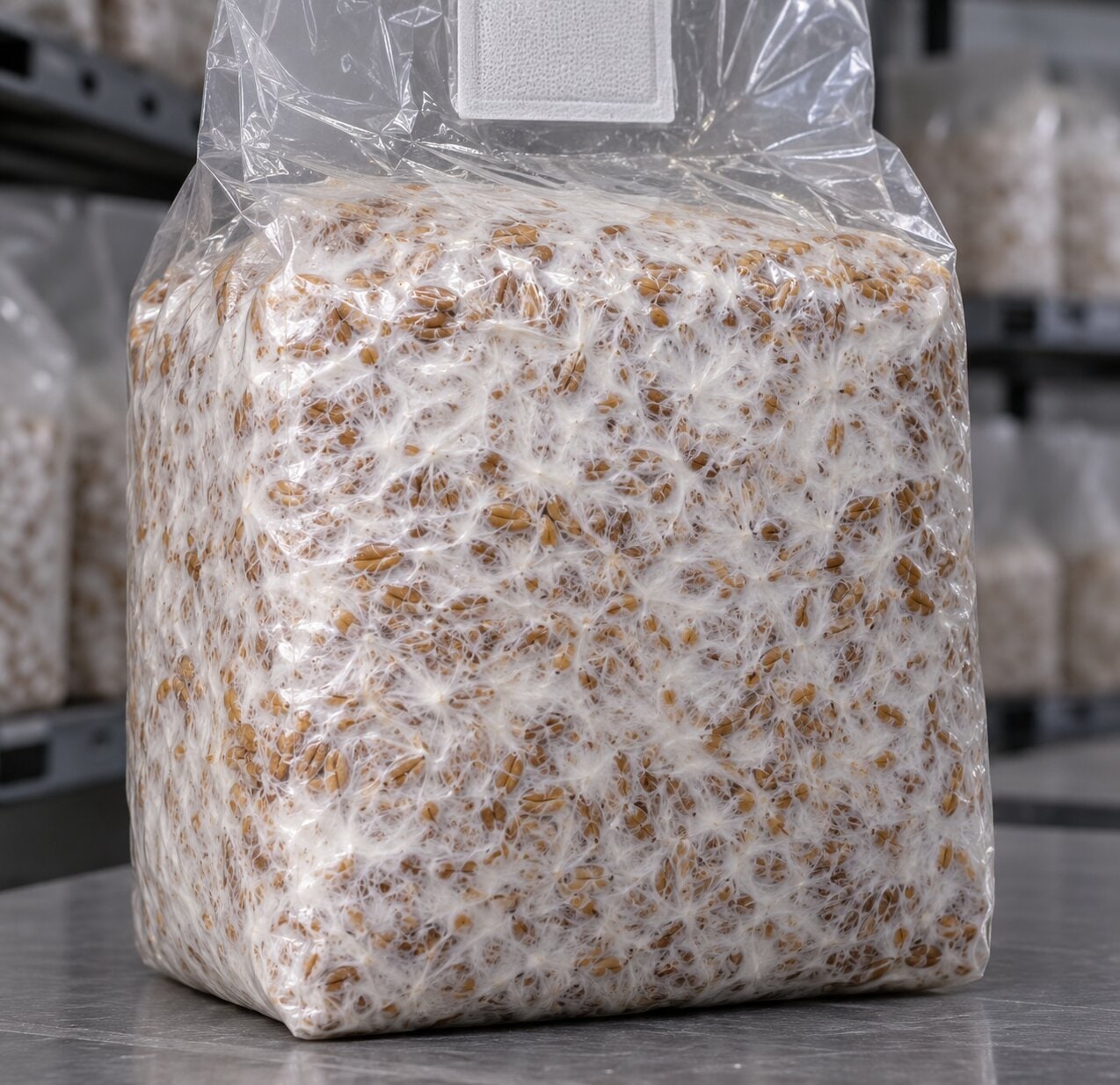
Master grain spawn — 5 kg bag
GREEBZ master grain spawn of the chosen culture. A pure culture on sterile grain substrate. Available in a choice of cultures — list the ones you need in your request. Master spawn is intended for further propagation and the production of production spawn. Grown from a pure culture under sterile laboratory conditions. Specifications - Format: grain spawn in a filter bag (grow bag), 5 kg - Substrate: sterile grain - Producer: GREEBZ
Made by us
On request
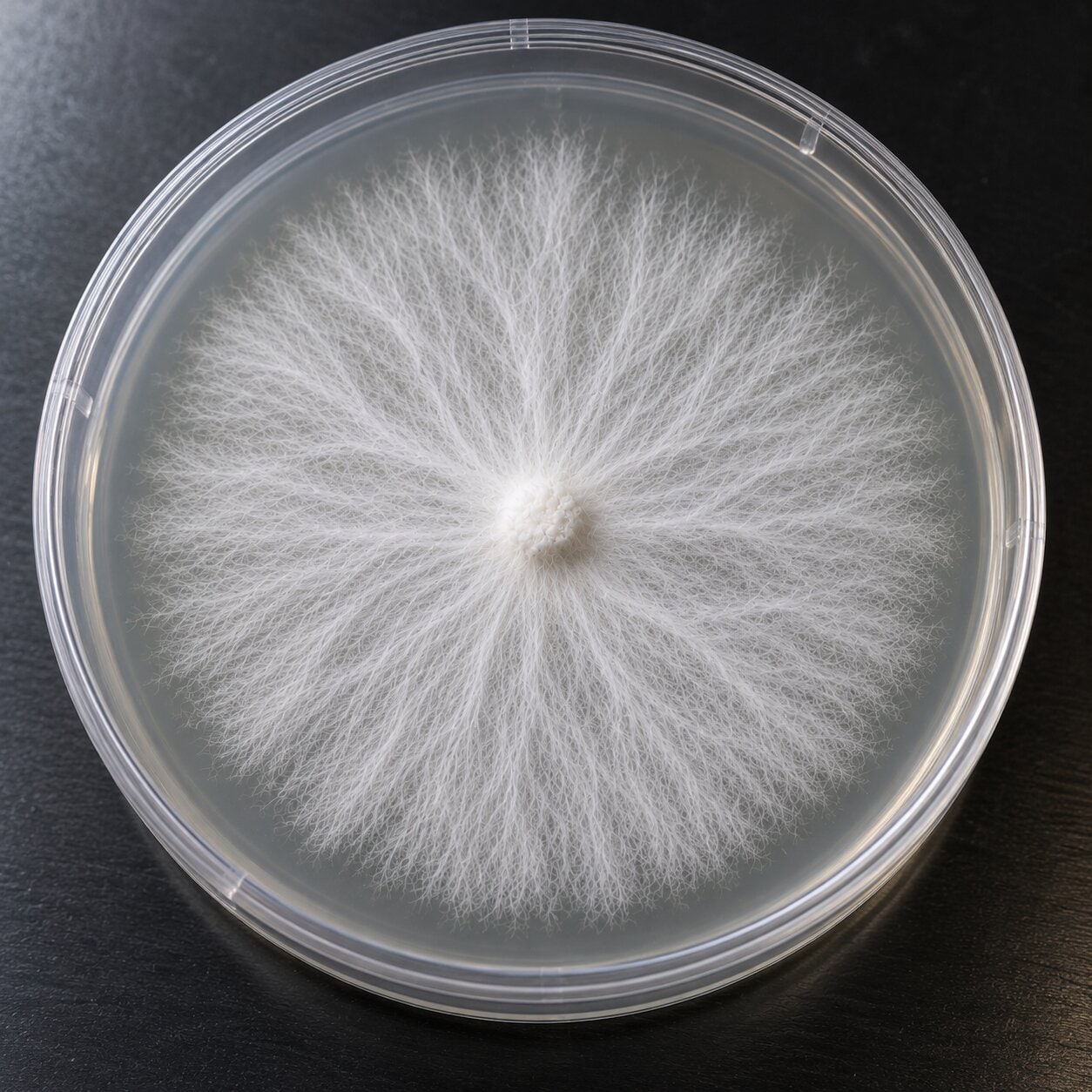
Pure mushroom culture — Petri dish
Pure GREEBZ mushroom cultures on a sterile agar nutrient medium. Available in a choice of cultures — list the ones you need in your request. Pure mushroom cultures grown under laboratory conditions on a sterile agar nutrient medium in Petri dishes. They are intended for further propagation of the culture, transfer to fresh nutrient medium and the production of grain spawn. One chosen culture = one Petri dish. Specifications - Format: pure culture on a sterile agar nutrient medium in a Petri dish - Producer: GREEBZ
Made by us
On request
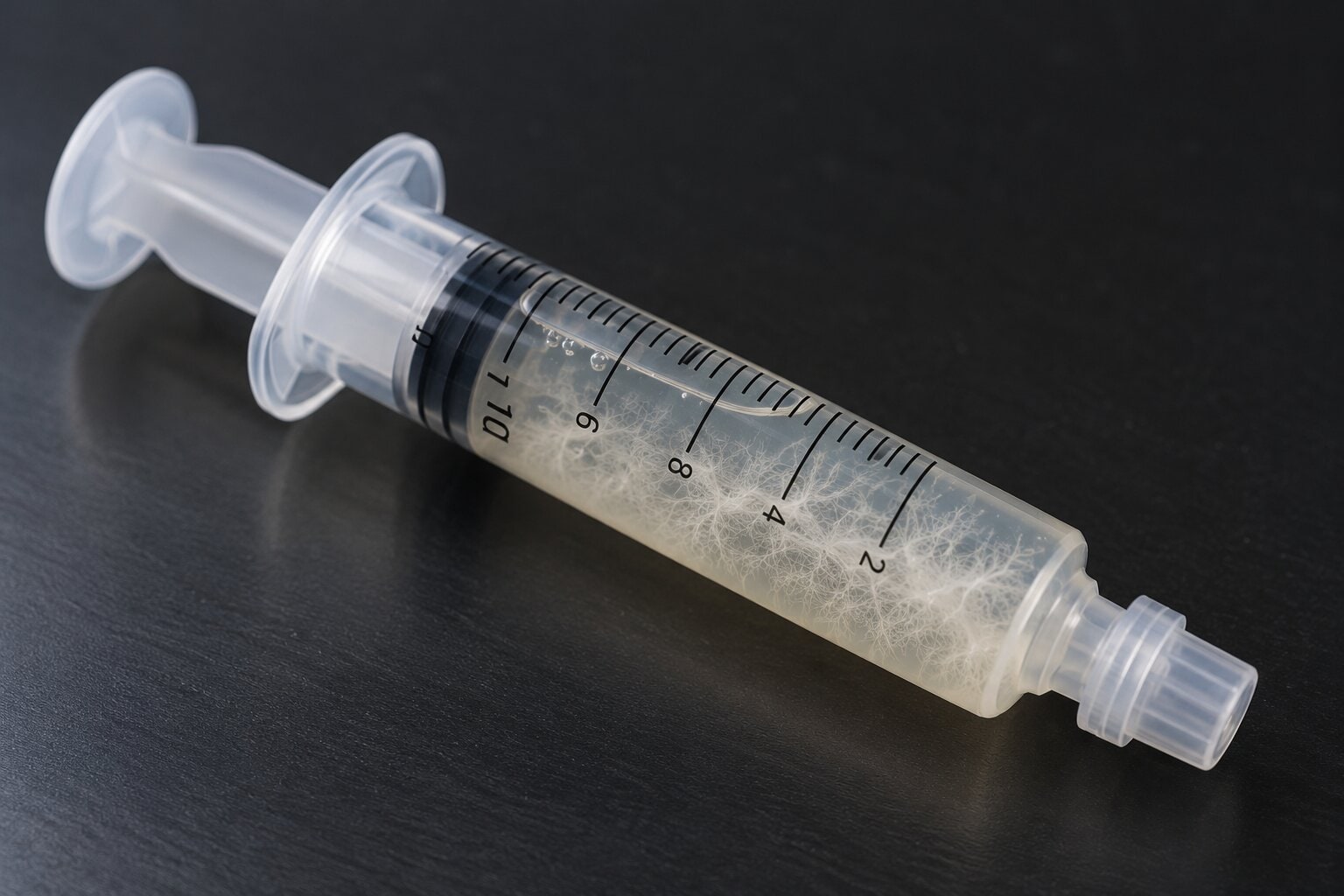
Liquid culture — 10 ml Luer Lock syringe
Pure GREEBZ mushroom liquid cultures. Available in a choice of cultures — list the ones you need in your request. The liquid culture is grown from a pure culture under sterile laboratory conditions. It is intended for inoculating grain substrate and producing grain spawn. Specifications - Format: liquid culture in a sterile Luer Lock syringe, 10 ml - Producer: GREEBZ
Made by us
On request
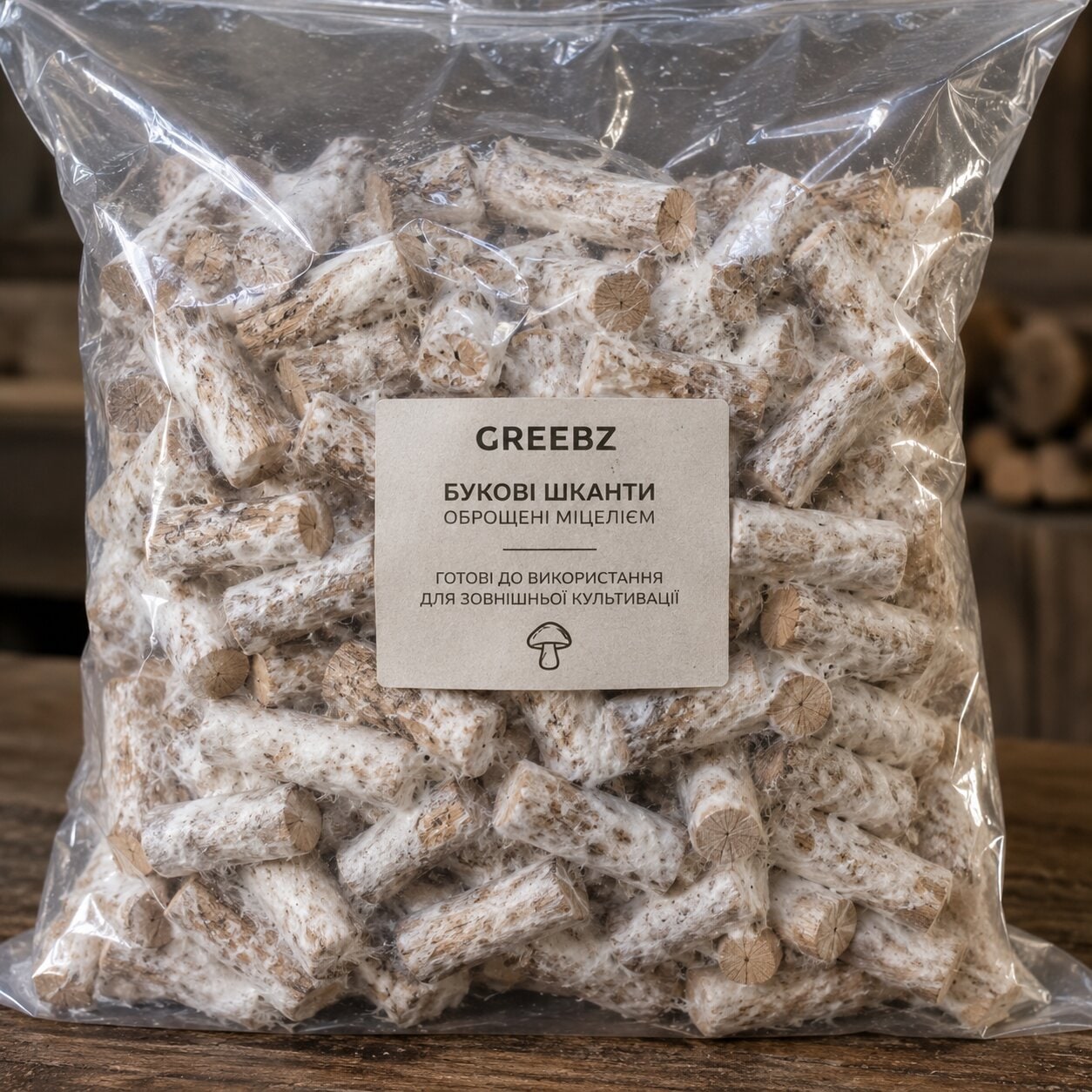
Beech plug spawn colonised with mycelium
Beech dowels colonised with the mycelium of the chosen culture. Ready to use for growing mushrooms outdoors on wood. Pack of 250–300 g. Available in a choice of cultures — list the ones you need in your request. One chosen culture = one pack of dowels. What's included - Beech dowels colonised with the mycelium of the chosen culture Important: wax and cotton wadding are not included. What you'll need for inoculation For working with the dowels we also recommend preparing: - Wax — to seal the holes after inserting the dowels. It closes the inoculation site and protects it from drying out and from the outside environment. - Cotton wadding — can be used for extra treatment and closing of the prepared holes. You will also need: - a drill; - a drill bit of the right diameter for the dowel; - a tool for inserting the dowels; - wood suitable for cultivation. Wax, cotton wadding and tools are bought separately. Specifications - Format: beech dowels colonised with the mycelium of the chosen culture - Pack weight: 250–300 g - Producer: GREEBZ
Made by us
On request
Other entries
Need help with your process?
Describe what's happening, even if you don't know the cause. We'll work it out together.