Fruiting and induction: when and how to signal the mushroom
What switches mycelium from growth to fruiting: temperature, humidity, CO₂ and light. How oyster mushrooms, shiitake, king oyster, pioppino, lion's mane, reishi and cordyceps move to fruiting.
Author: Volodymyr Sobol
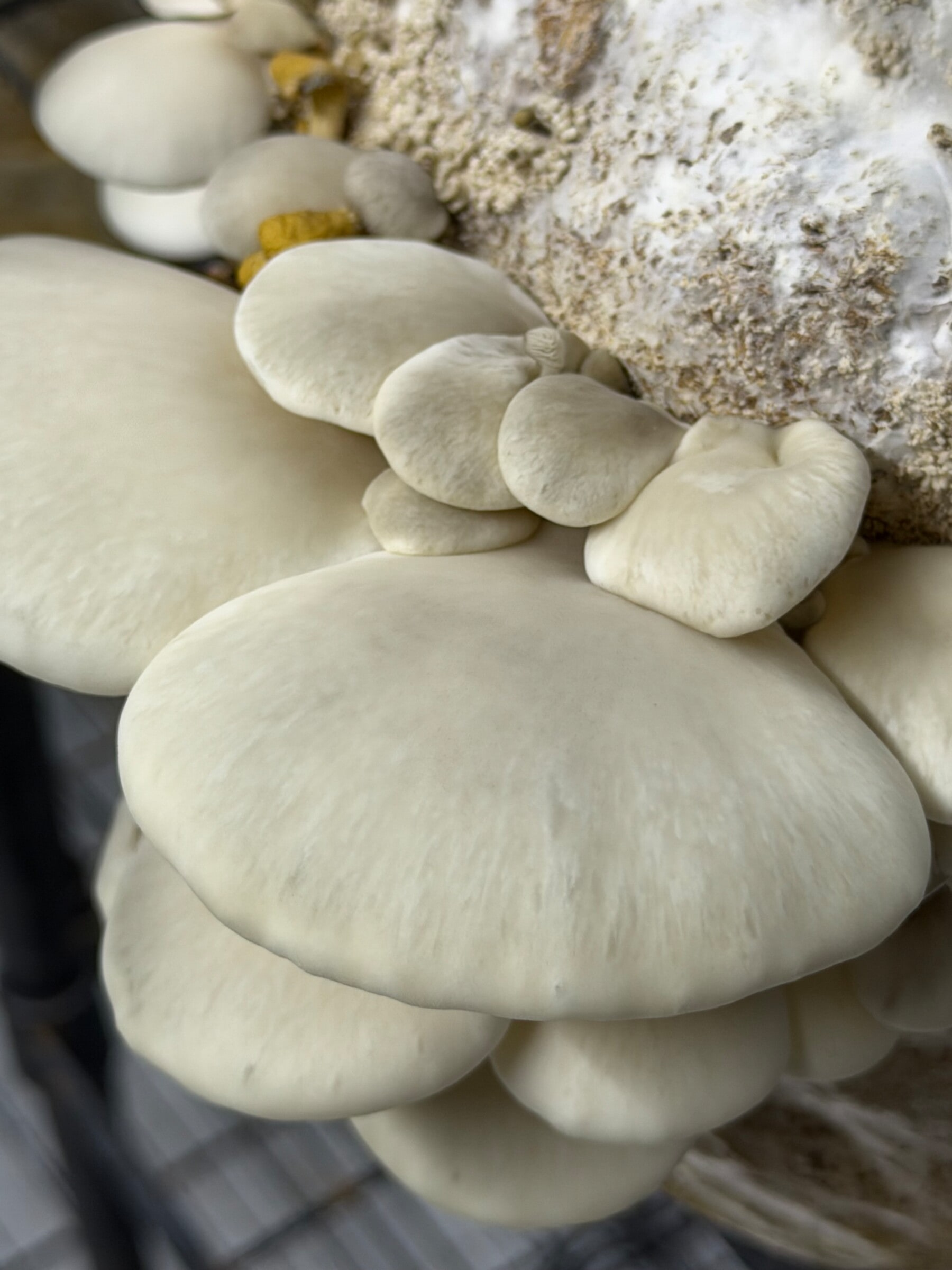
At this step, what most people call a mushroom finally appears. Until now the mycelium has spent weeks colonising the substrate: growing, absorbing nutrients, taking up space. Now it has to switch from growth to reproduction and form a fruiting body that will produce spores. During fruiting we control temperature, CO₂, humidity and the way the fruiting bodies mature. Some mushrooms also need induction before fruiting — a change in conditions that triggers the formation of fruiting bodies.
This article looks at what induction is and which signals trigger it, why carbon dioxide determines the shape of the mushroom, how oyster mushrooms, shiitake, king oyster, pioppino, lion's mane, reishi and cordyceps each make the transition to fruiting in their own way, and what conditions studies give for them. How the block is colonised up to this point is covered in the article on substrate inoculation.
What induction is
Fruiting body formation is the mushroom's transition from the vegetative to the reproductive stage. It is regulated both by external conditions (light, temperature, air) and by the mushroom's own internal signals (Li Z. et al., 2023). In cultivation these external signals are reproduced deliberately: temperature, humidity, air exchange and light are changed.
A 2025 review of shiitake biology lists the main signals, and most of them apply not only to shiitake:
- temperature — the optimum temperature for fruiting is usually lower than for mycelial growth;
- humidity — high air humidity (90–95%) helps fruiting bodies mature;
- carbon dioxide — a high CO₂ concentration suppresses the formation of the cap and spores but promotes stem elongation;
- light — for many mushrooms it is needed for primordia to form;
- nutrient depletion, mechanical stimulation, water — additional factors that push the mushroom towards fruiting (Song X. et al., 2025).
The signals often act together. In shiitake it has been shown that both light and a drop in temperature are needed to fully switch on the genes responsible for fruiting and to form fruiting bodies (Nakazawa T. et al., 2008). For the button mushroom, in which the mechanism has been studied best, a sequence has been described: first a volatile compound produced by the mushroom itself acts on the early stages, then a drop in temperature is needed for the primordia to mature, and the CO₂ level determines how many fruiting bodies develop (Eastwood D. C. et al., 2013).
How a mushroom "sees" light was worked out in the model fungus Schizophyllum commune: without the genes of the blue-light receptor WC-1/WC-2 it did not form fruiting bodies at all (Ohm R. A. et al., 2013).
Carbon dioxide determines the shape of the mushroom
A colonising block itself exhales carbon dioxide, and in a closed bag its concentration is much higher than in open air. For mycelial growth this is not a problem, but for the fruiting body it is. The mushroom senses light, gravity and the CO₂ concentration in order to form a proper cap from which spores can disperse (Lin R. et al., 2022). If there is too much CO₂, the mushroom "stretches" its stem upwards, as if trying to carry the cap to where the air is fresh.
How excess CO₂ shows itself depends on the concentration and the species:
- in reishi, a CO₂ content in the air from 0.1% upwards stimulates stem growth and holds back cap development, and at 0.1–1% deformed, antler-shaped fruiting bodies form easily (Fang T. et al., 2025). Such "antlers" develop where ventilation is restricted (Sudheer S. et al., 2018);
- in the oyster mushroom, at 1% CO₂ the stems were shorter and thinner, cap growth was suppressed and no spores formed (Lin R. et al., 2022); at concentrations from 1% upwards the fruiting bodies took on the shape of a cauliflower (Zhang Y. et al., 2023).
For comparison: ordinary air contains about 0.04% CO₂, that is, 400 ppm. That is why it is kept low in fruiting chambers and regulated by ventilation: in industry the CO₂ concentration is set through the length of the periods when the chamber is closed and when it is ventilated (Fang T. et al., 2025).
Oyster mushrooms: common, pink and golden
In our cycle oyster mushrooms have no separate induction stage: after colonisation the block is moved to fruiting conditions, and that change itself becomes the signal.
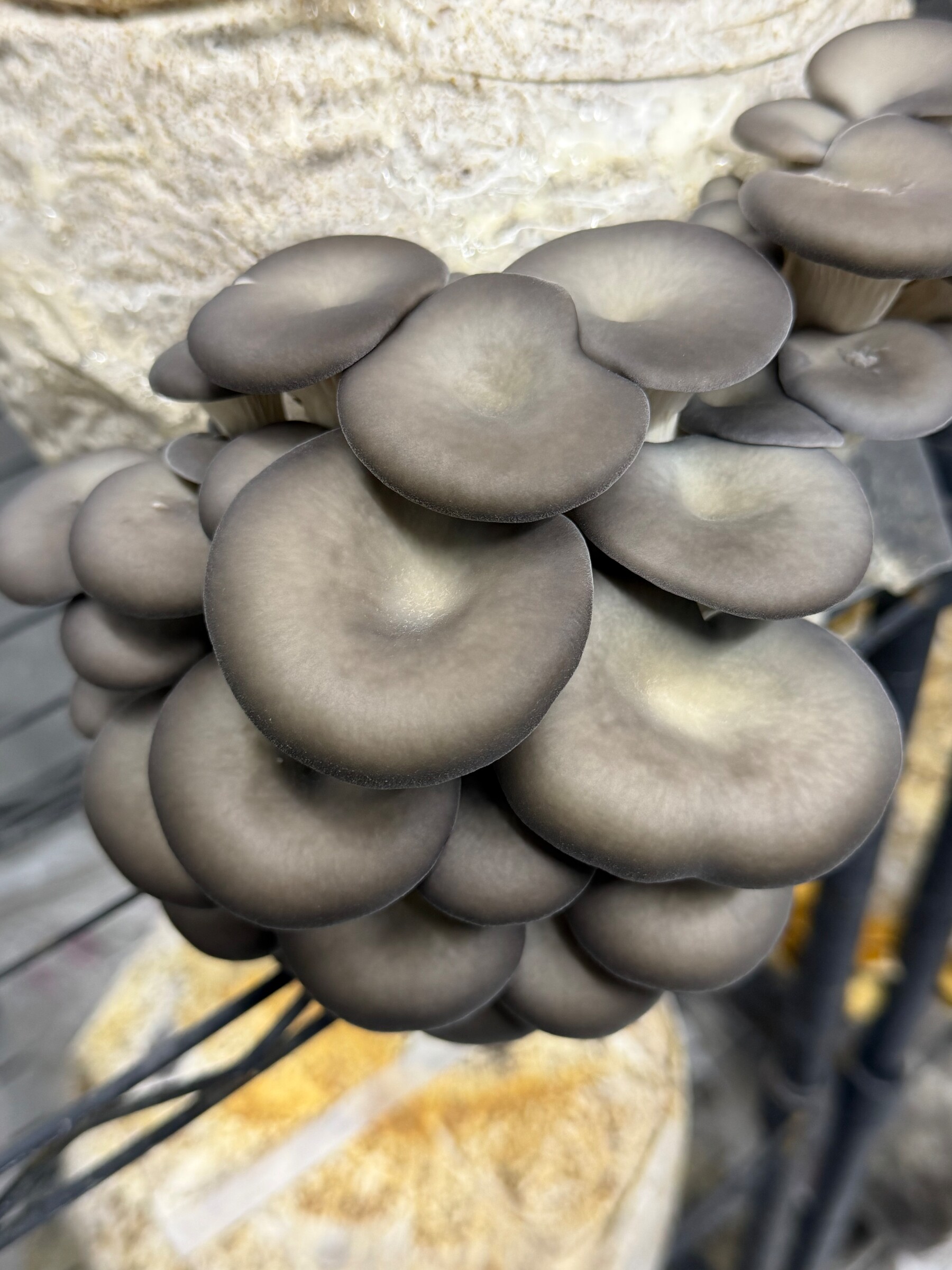
In the literature a cold shock after full colonisation is also often described for the oyster mushroom (Pleurotus ostreatus) (Silva M. et al., 2024), and in research protocols primordia were stimulated with water, a drop in temperature and light at high humidity (Lin R. et al., 2022). Here are the parameters that a 2024 review gives, based on a grower's handbook by Paul Stamets:
| Stage | Temperature | Humidity | CO₂ | Light | Duration |
|---|---|---|---|---|---|
| Block colonisation | 24 °C | 85–95% | 5,000–20,000 ppm | — | 12–21 days |
| Primordia formation | 10–15 °C | 95–100% | below 1000 ppm | 1000–1500 lux | 3–5 days |
| Fruiting body growth | 10–21 °C | 85–90% | below 1000 ppm | 1000–1500 lux | 4–7 days |
The review specifically stresses that the oyster mushroom needs light for primordia formation, and that a lack of light and poor air exchange give abnormal mushrooms — with an underdeveloped cap and an elongated stem.
Warmth-loving oyster mushrooms behave differently. In a 2025 study, golden oyster (P. citrinopileatus) was grown at a constant 26 °C, a CO₂ concentration of about 500 ppm and 90% humidity, without any drop in temperature (Chen X. et al., 2025). Pink oyster (P. djamor) was grown at 25–28 °C: primordia appeared 5–10 days after the bags were opened in the light, and the mushrooms matured in 4–5 days (Phonemany M. et al., 2025). For them, the signal is the opening of the bag itself — fresh air, humidity and light.
Shiitake: maturation and browning
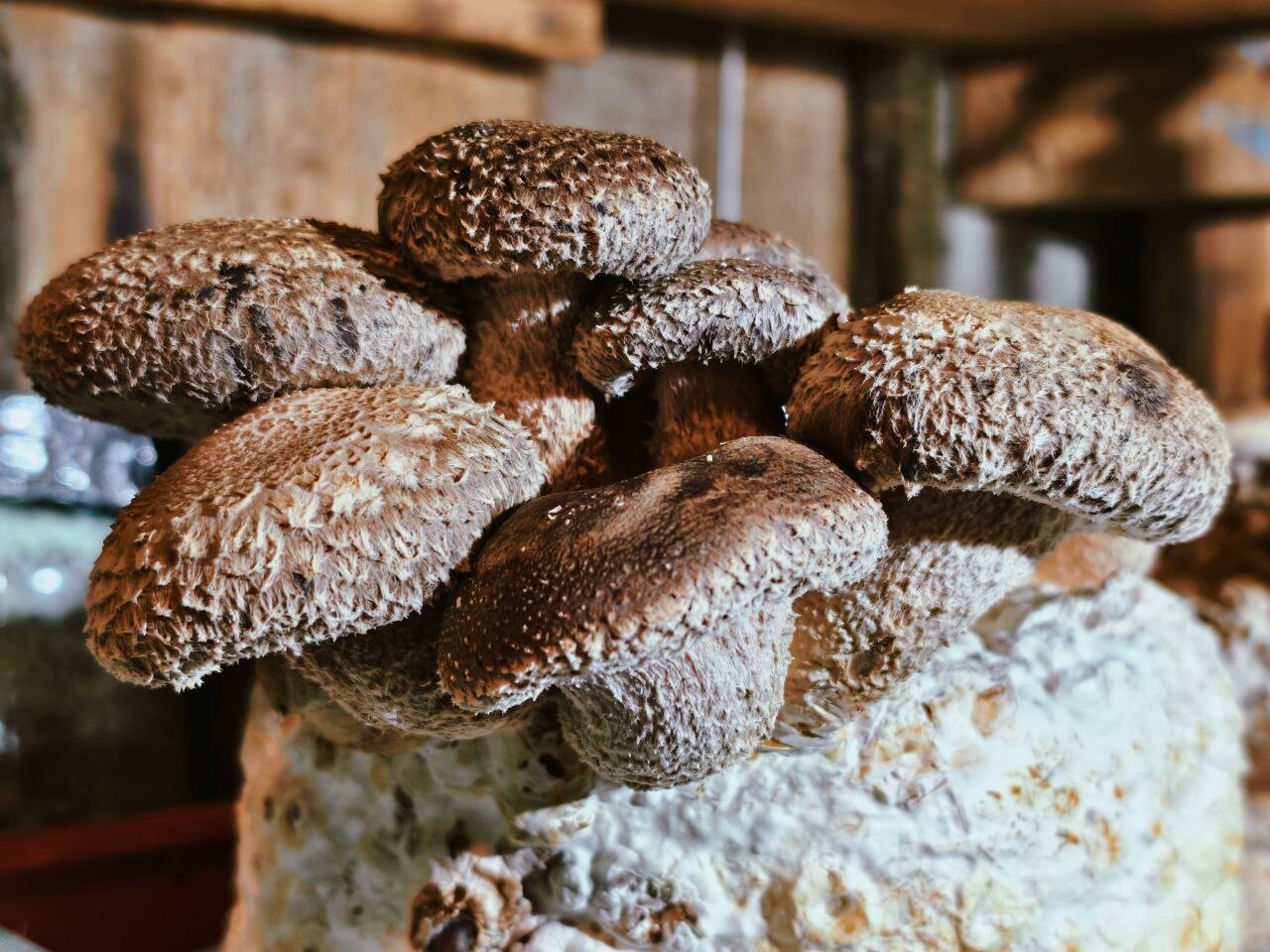
Shiitake is the least tolerant of haste. After colonisation the block goes through a stage of maturation and browning, and only after that is it moved to fruiting.
A 2025 review divides shiitake cultivation into two vegetative stages: colonisation (about 30 days in the dark) and browning, or mycelial maturation (30–90 days in the light). Having used up the nutrients, the mycelium on the surface of the block accumulates melanin and forms a brown film — this is how it prepares for fruiting. A block's readiness is judged by a reddish-brown film, bumps on the surface and the block having become softer to the touch. If a block is cultivated long enough, fruiting bodies can form even without an external signal, but a stimulus shortens the time to fruiting and improves the quality of the mushrooms (Song X. et al., 2025).
The length of browning varies greatly from source to source:
| Source | How long maturation takes |
|---|---|
| Pennsylvania State University | colonisation 20–25 days, browning about 4 weeks |
| Song X. et al., 2025 | 30–90 days in the light |
| Tang L. et al., 2022 | at least 3 months; a small film by day 45, complete by day 75 |
| Kim M. J. et al., 2024 | 100–150 days in total |
The difference depends on the strain and the technology, so the stage is judged by the state of the block, not by the calendar.
Browning is promoted by light, especially blue light. Under blue light (455 nm) the brown film covered a larger area than in the dark, although it also formed in the dark (Huang X. et al., 2020). In a 2024 study, after 60 days of darkness and 40 days under blue light the shiitake yield was higher and the browning darker. Fruiting there was carried out at 18 °C, 80% humidity and 1000 ppm CO₂ (Kim M. J. et al., 2024).
The transition to fruiting itself is triggered by soaking. In the Pennsylvania State University technology, at the end of browning, when primordia are already forming under the surface, the block is submerged in water at 12 °C for 3–4 hours. The water quickly displaces carbon dioxide from the pores of the substrate, and about 9–11 days later the mushrooms are ready to harvest.
King oyster
King oyster needs both induction and a separate regime at each stage. In a 2024 industrial protocol the blocks were colonised for 30–35 days at 24 °C without light, matured for another 5–7 days and were then moved to induction: 11–14 °C, 12 hours of light a day (1500–2000 lux), humidity about 90%, CO₂ 1000–2000 ppm. When primordia appeared, the temperature was lowered to 10–13 °C and CO₂ was deliberately raised to 7000–8000 ppm to stimulate stem growth. Fruiting lasted 18–20 days (Li H. et al., 2024).
This is a good example of high CO₂ not always being a mistake: it can be managed on purpose. Without light, king oyster primordia did not differentiate normally (Yue Z. et al., 2022).
Pioppino
For pioppino (Cyclocybe aegerita) studies describe two routes to induction. The first is a drop in temperature: after growth in the dark at 25 °C the culture was moved to 20 °C with a light regime of 12 hours of light and 12 hours of darkness (Frings R. A. et al., 2020). The second involves no change in temperature: after 10 days of growth at 24 °C in closed containers, the containers were opened and moved to a chamber with the same temperature, 95% humidity and a 12/12 light regime, and primordia appeared on day 18 (Orban A. et al., 2021). The authors of the second paper note that pioppino fruits in successive flushes, one after another, once the process has been triggered by environmental signals.
Lion's mane
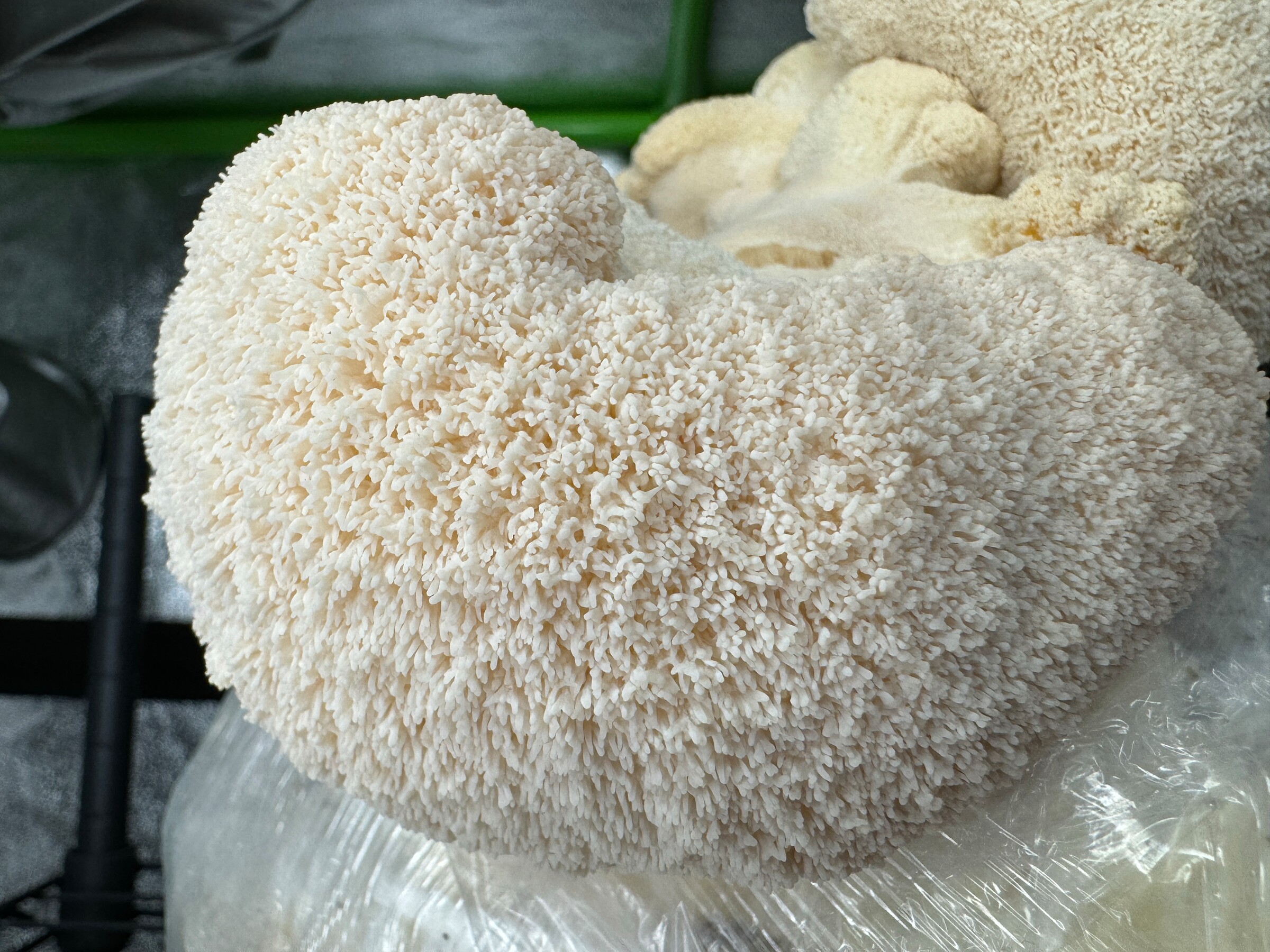
Like the oyster mushroom, lion's mane in our cycle goes to fruiting straight after colonisation. Humidity and fresh air are critical for it: a review of lion's mane cultivation in China's different climatic zones stresses that the humidity near the surface of the fruiting body must be kept at 85–95%, otherwise the mushroom dries out and cracks (Yang D. et al., 2026). The same review gives the Fujian province standards for cultivation on sawdust:
| Stage | Temperature | Humidity | CO₂ | Light |
|---|---|---|---|---|
| Primordia formation | 12–18 °C | 80–85% | below 0.08% | 200–600 lux |
| Fruiting body growth | 15–20 °C | 85–95% | below 0.08% | 200–600 lux |
In another study, lion's mane was fruited at 15–18 °C, 90–95% humidity and a CO₂ concentration of 0.03%; 50–60 days passed from inoculation to the appearance of mushrooms (Lu Z. et al., 2024). Another paper noted that even under identical conditions, lion's mane spines form differently in different seasons — in other words, the mushroom is influenced by more than what the sensors show.
Reishi
Reishi is the exception to the "colder for fruiting" rule. In a 2025 study, after full colonisation the temperature was not lowered but raised to 28–30 °C, humidity was kept at 80–90% and CO₂ below 1000 ppm. When primordia appeared, light of 50–60 lux was switched on for 10–12 hours a day (Akcay C. et al., 2025).
What matters most for reishi is air. It is precisely a lack of ventilation that produces "antlers" instead of the usual cap (see the section on carbon dioxide above), and the shape and colour of these antlers also depend on light (Sudheer S. et al., 2018).
Cordyceps militaris
Cordyceps in jars first grows in the dark and then receives light induction. For it, light is not just a desirable condition but a mandatory one. If the blue-light receptor gene is switched off in cordyceps, the fruiting bodies develop chaotically and there are fewer carotenoids and less cordycepin (Yang T. et al., 2016); in another experiment, without this gene primordia did not form at all (Wang F. et al., 2017).
An example regime from a 2023 study: 7 days in the dark at 25 °C, then 12 hours of light and 12 hours of darkness, illumination of 500–700 lux, 22 °C, humidity 85–90%; the fruiting bodies formed over 45 days (Vu T. X. et al., 2023). In another study the optimum growth temperature for cordyceps was 20 °C; strong light (6000 lux) for 5–20 days at the end of growth increased the cordycepin content but reduced carotenoids (Zhang J. et al., 2018). So the light regime affects not only whether cordyceps grows, but also its composition.
What we control during fruiting
- Temperature. For most species it is lower than during colonisation, but not for all: reishi, pink oyster and golden oyster fruit warm.
- CO₂. We keep it low by ventilation; the exception is the king oyster stem, for which high CO₂ is set on purpose.
- Humidity. High, so that the fruiting bodies do not dry out and crack, but with air movement.
- Light. For most species it is needed for primordia formation, for shiitake also for browning, and for cordyceps it is mandatory.
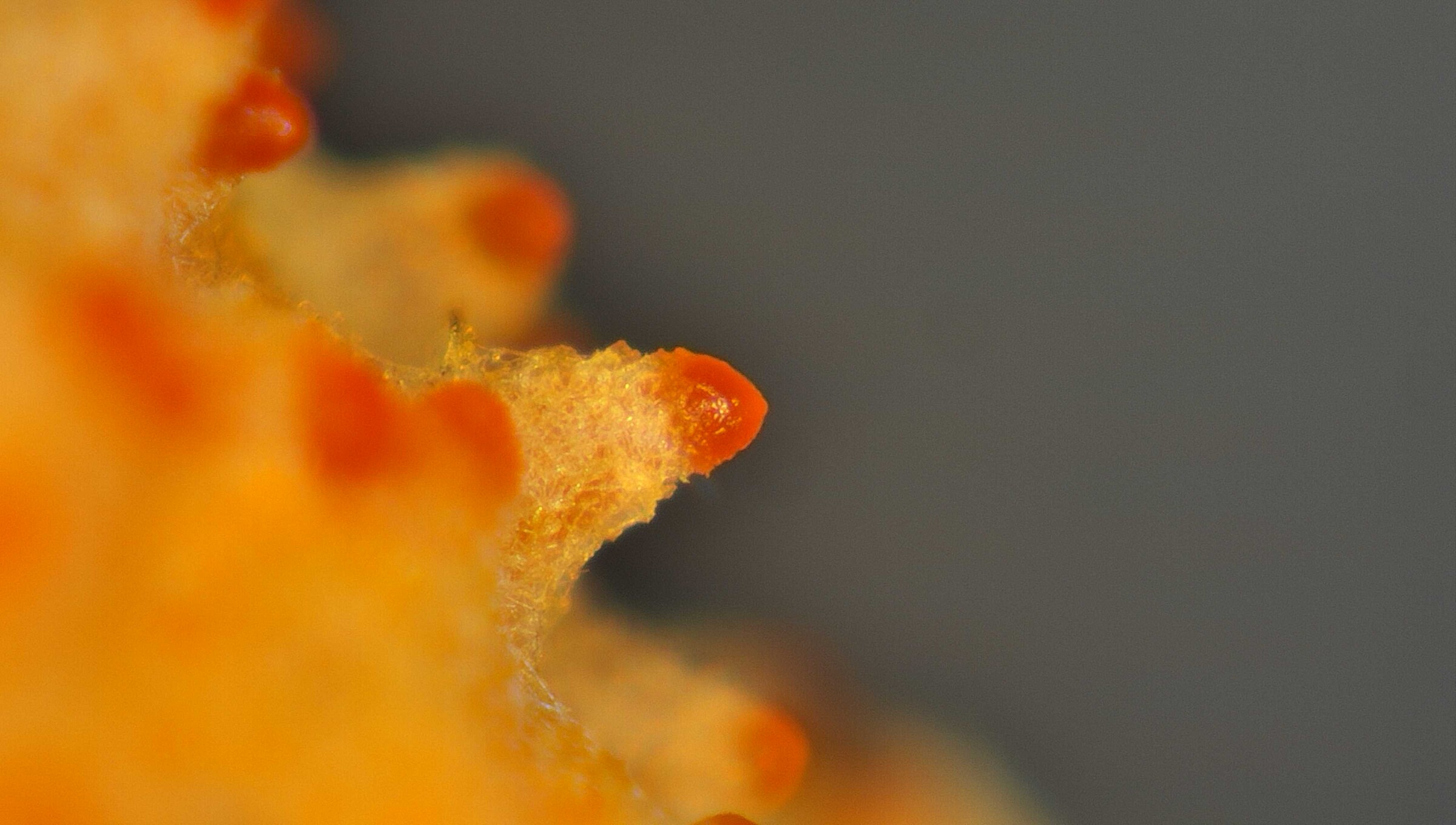
- Fruiting body maturation. We watch the shape: elongated stems, "antlers" or "cauliflower" are a signal that the chamber is not getting enough air. When the mushrooms are mature, we move on to harvesting.
Sources
General biology of fruiting
- Li Z. et al., 2023. Low temperature, mechanical wound, and exogenous salicylic acid (SA) can stimulate the SA signaling molecule as well as its downstream pathway and the formation of fruiting bodies in Flammulina filiformis. Frontiers in Microbiology 14, 1197498.
- Song X. et al., 2025. Cultivation methods and biology of Lentinula edodes. Applied Microbiology and Biotechnology 109, 63.
- Nakazawa T. et al., 2008. Stimulative effects of light and a temperature downshift on transcriptional expressions of developmentally regulated genes in the initial stages of fruiting-body formation of the basidiomycetous mushroom Lentinula edodes. FEMS Microbiology Letters 289(1), 67–71.
- Eastwood D. C. et al., 2013. Environmental regulation of reproductive phase change in Agaricus bisporus by 1-octen-3-ol, temperature and CO₂. Fungal Genetics and Biology 55, 54–66.
- Ohm R. A. et al., 2013. The blue light receptor complex WC-1/2 of Schizophyllum commune is involved in mushroom formation and protection against phototoxicity. Environmental Microbiology 15(3), 943–955.
Carbon dioxide
- Fang T. et al., 2025. Combined Transcriptomic and Metabolomic Analyses of the Response of Ganoderma lucidum to Elevated CO₂. Journal of Fungi 12(1), 5.
- Lin R. et al., 2022. Responses of the Mushroom Pleurotus ostreatus under Different CO₂ Concentration by Comparative Proteomic Analyses. Journal of Fungi 8(7), 652.
- Zhang Y. et al., 2023. Cauliflower-shaped Pleurotus ostreatus cultivated in an atmosphere with high environmental carbon dioxide concentration. Mycologia 115(1), 153–163.
- Sudheer S. et al., 2018. Development of antler-type fruiting bodies of Ganoderma lucidum and determination of its biochemical properties. Fungal Biology 122(5), 293–301.
Oyster mushrooms
- Silva M. et al., 2024. Pre- and Postharvest Strategies for Pleurotus ostreatus Mushroom in a Circular Economy Approach. Foods 13(10), 1464.
- Chen X. et al., 2025. The effects of different light qualities on the growth and nutritional components of Pleurotus citrinopileatus. Frontiers in Nutrition 12, 1554575.
- Phonemany M. et al., 2025. Identification and therapeutic efficacy of Pleurotus djamor var. fuscopruinosus. Scientific Reports 15, 18929. Only the cultivation conditions are taken from this paper.
Shiitake
- Tang L. et al., 2022. Oxidative Stress and Autophagy Are Important Processes in Post Ripeness and Brown Film Formation in Mycelium of Lentinula edodes. Frontiers in Microbiology 13, 811673.
- Huang X. et al., 2020. RNA-seq Profiling Showed Divergent Carbohydrate-Active Enzymes (CAZymes) Expression Patterns in Lentinula edodes at Brown Film Formation Stage Under Blue Light Induction. Frontiers in Microbiology 11, 1044.
- Kim M. J. et al., 2024. Effects of Blue Light on Fruiting Body Production and Ergothioneine Content During Sawdust Cultivation of Shiitake (Lentinula edodes). Mycobiology 52(6), 439–445.
- Penn State. Specialty Mushrooms — Production Technology. Department of Plant Pathology and Environmental Microbiology.
King oyster and pioppino
- Li H. et al., 2024. Valorization of Ginkgo biloba Leaf Powder as a Substrate in King Oyster Mushroom (Pleurotus eryngii) Cultivation. Life 14(5), 639.
- Yue Z. et al., 2022. Effect of Different Light Qualities and Intensities on the Yield and Quality of Facility-Grown Pleurotus eryngii. Journal of Fungi 8(12), 1244.
- Frings R. A. et al., 2020. Multilocus phylogeny- and fruiting feature-assisted delimitation of European Cyclocybe aegerita from a new Asian species complex and related species. Mycological Progress 19(10), 1001–1016.
- Orban A. et al., 2021. Transcriptome of different fruiting stages in the cultivated mushroom Cyclocybe aegerita suggests a complex regulation of fruiting. BMC Genomics 22, 324.
Lion's mane and reishi
- Yang D., Zhu L., Zheng Q., 2026. Regional Cultivation Forms of Hericium erinaceus Across China's Climatic Zones: A Scoping Review and Analytical Lens for Climate-Adaptive Production. Journal of Fungi 12(4), 285.
- Lu Z. et al., 2024. Optimization of substrate formulation for Hericium erinaceus by replacing wood by straw and their effect on enzyme activities. Frontiers in Plant Science 15, 1436385.
- Moon J. W., Lee C. J., Cheong J. C., Kong W. S., 2016. Characteristics of Hericium erinaceus fruit body genesis in winter. Journal of Mushrooms 14(2), 39–43.
- Akcay C., Arslan R., Ceylan F., 2025. Valorization of various lignocellulosic wastes to Ganoderma lucidum (Reishi Mushroom) cultivation and their FT-IR assessments. PLOS One 20(7), e0328732.
Cordyceps
- Yang T. et al., 2016. The blue-light receptor CmWC-1 mediates fruit body development and secondary metabolism in Cordyceps militaris. Applied Microbiology and Biotechnology 100(2), 743–755.
- Wang F. et al., 2017. DASH-type cryptochromes regulate fruiting body development and secondary metabolism differently than CmWC-1 in the fungus Cordyceps militaris. Applied Microbiology and Biotechnology 101(11), 4645–4657.
- Vu T. X. et al., 2023. Effects of MAT1-2 Spore Ratios on Fruiting Body Formation and Degeneration in the Heterothallic Fungus Cordyceps militaris. Journal of Fungi 9(10), 971.
- Zhang J. et al., 2018. Heat and light stresses affect metabolite production in the fruit body of the medicinal mushroom Cordyceps militaris. Applied Microbiology and Biotechnology 102(10), 4523–4533.
Related mushrooms
Materials for growing
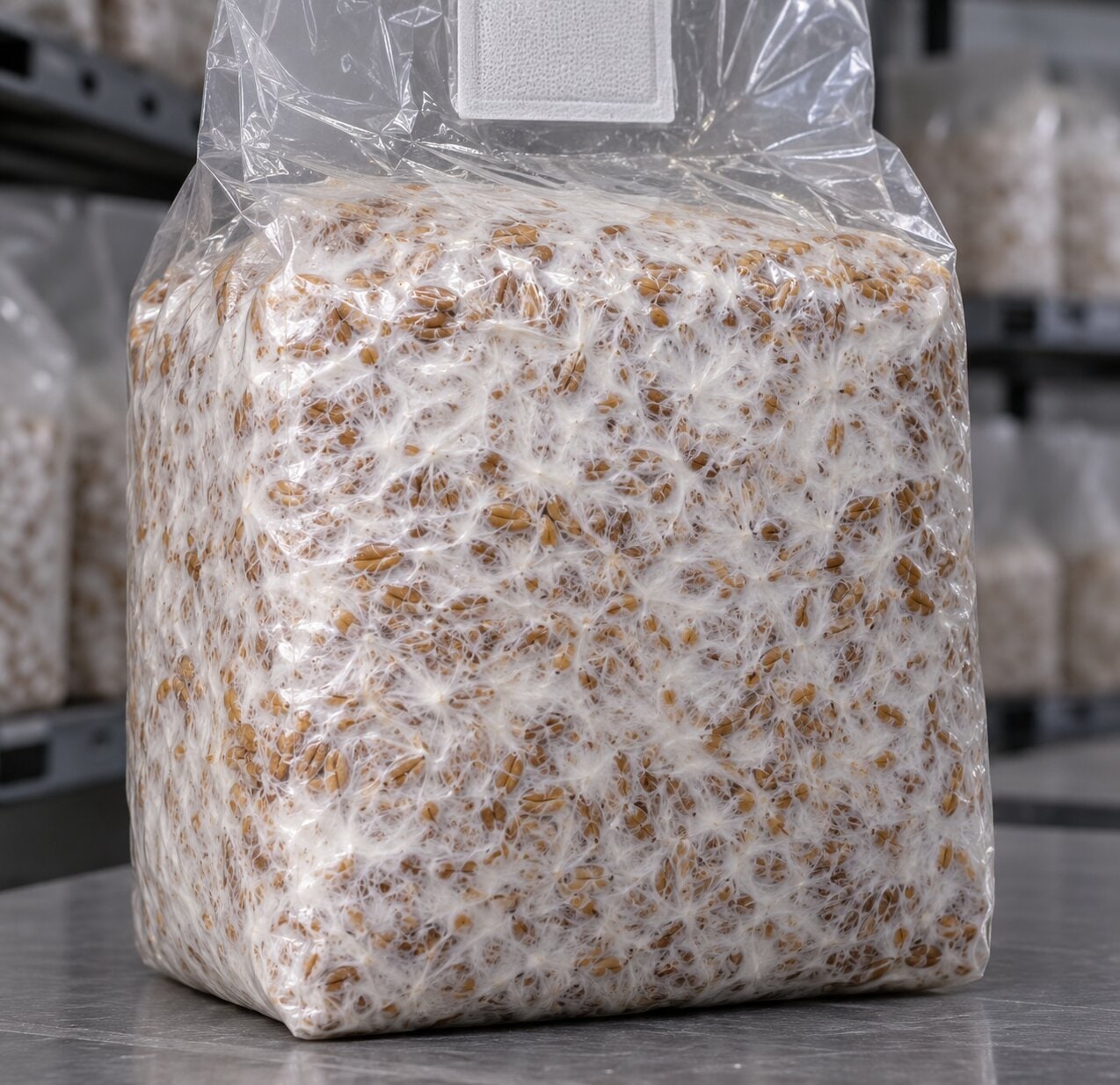
Master grain spawn — 5 kg bag
GREEBZ master grain spawn of the chosen culture. A pure culture on sterile grain substrate. Available in a choice of cultures — list the ones you need in your request. Master spawn is intended for further propagation and the production of production spawn. Grown from a pure culture under sterile laboratory conditions. Specifications - Format: grain spawn in a filter bag (grow bag), 5 kg - Substrate: sterile grain - Producer: GREEBZ
Made by us
On request
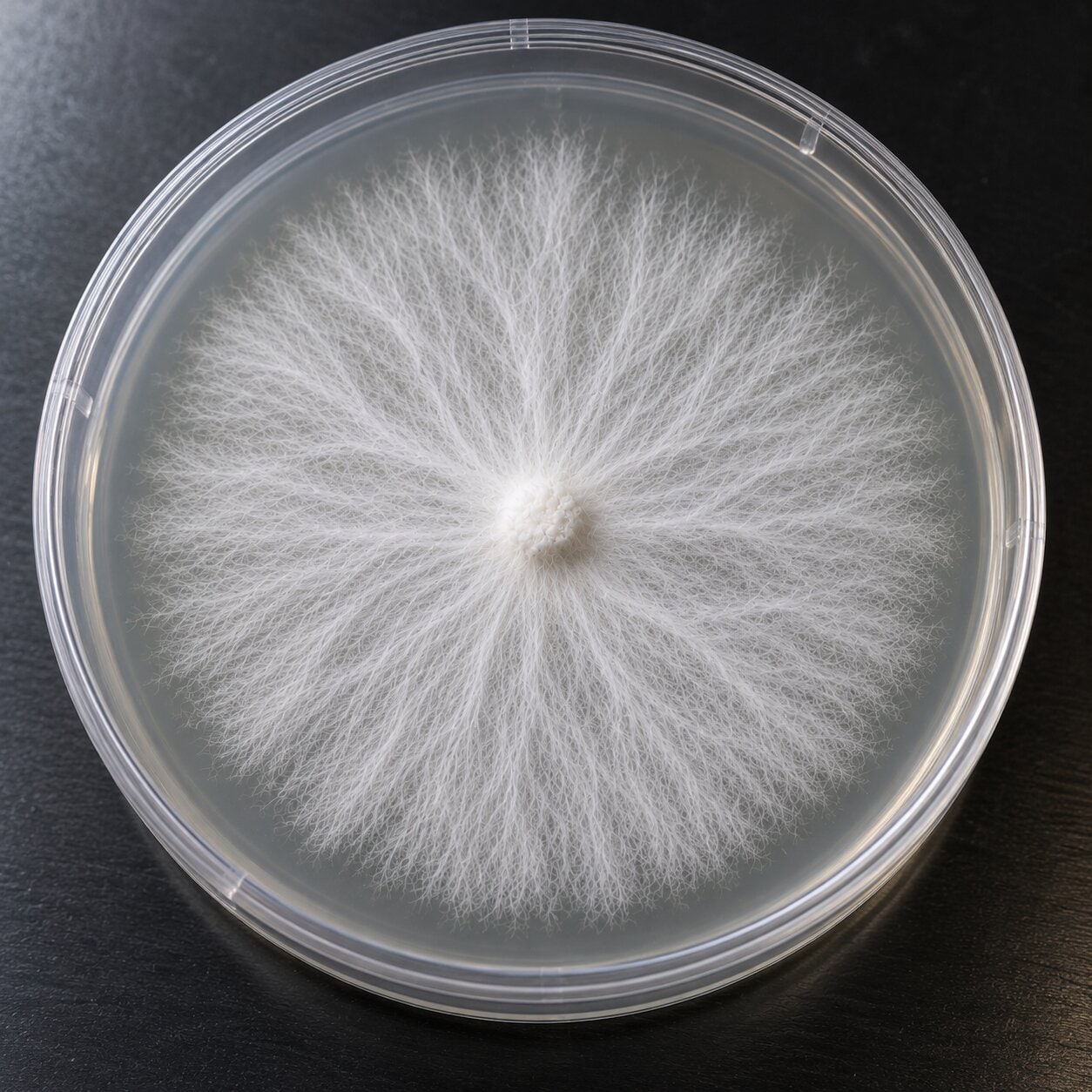
Pure mushroom culture — Petri dish
Pure GREEBZ mushroom cultures on a sterile agar nutrient medium. Available in a choice of cultures — list the ones you need in your request. Pure mushroom cultures grown under laboratory conditions on a sterile agar nutrient medium in Petri dishes. They are intended for further propagation of the culture, transfer to fresh nutrient medium and the production of grain spawn. One chosen culture = one Petri dish. Specifications - Format: pure culture on a sterile agar nutrient medium in a Petri dish - Producer: GREEBZ
Made by us
On request
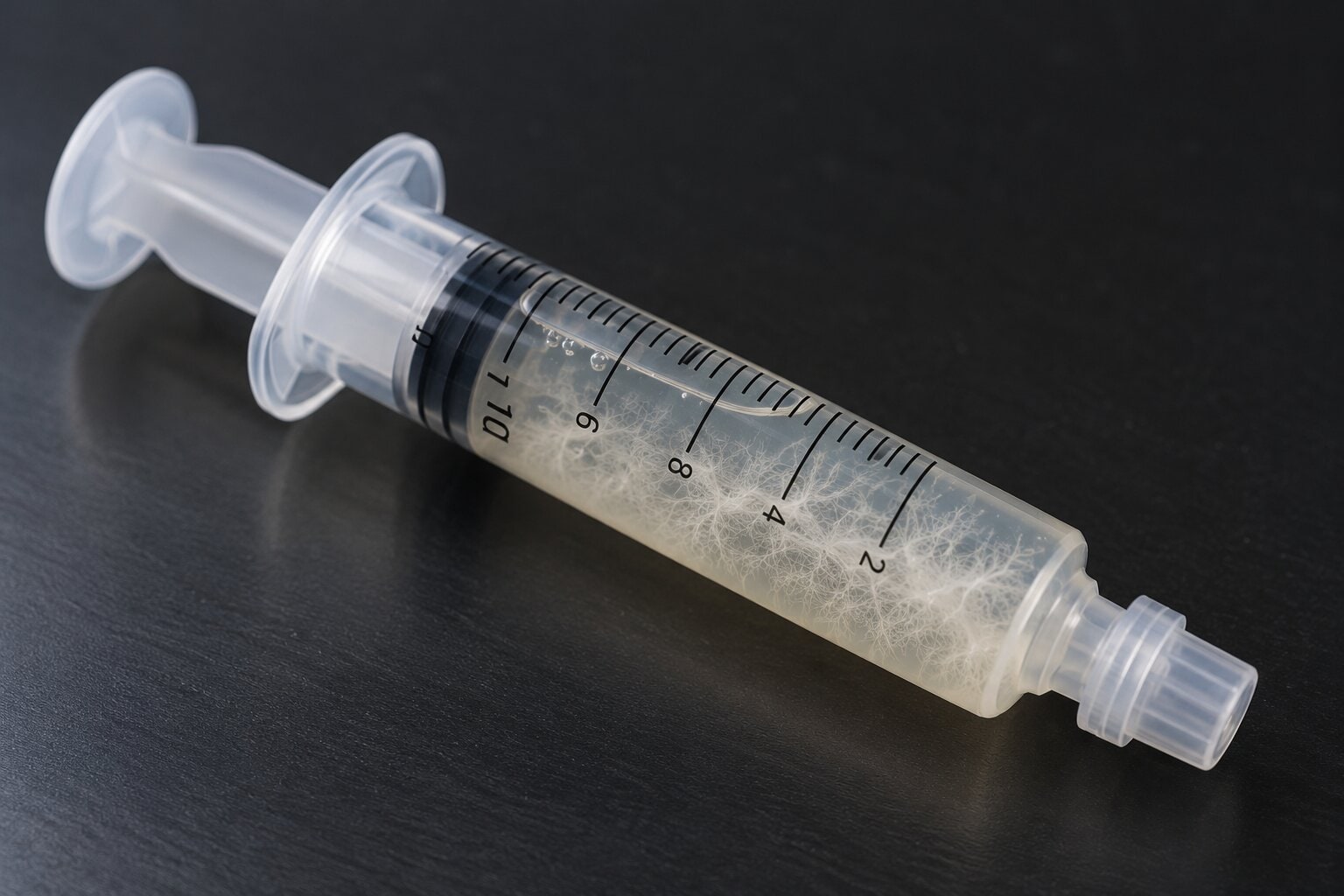
Liquid culture — 10 ml Luer Lock syringe
Pure GREEBZ mushroom liquid cultures. Available in a choice of cultures — list the ones you need in your request. The liquid culture is grown from a pure culture under sterile laboratory conditions. It is intended for inoculating grain substrate and producing grain spawn. Specifications - Format: liquid culture in a sterile Luer Lock syringe, 10 ml - Producer: GREEBZ
Made by us
On request
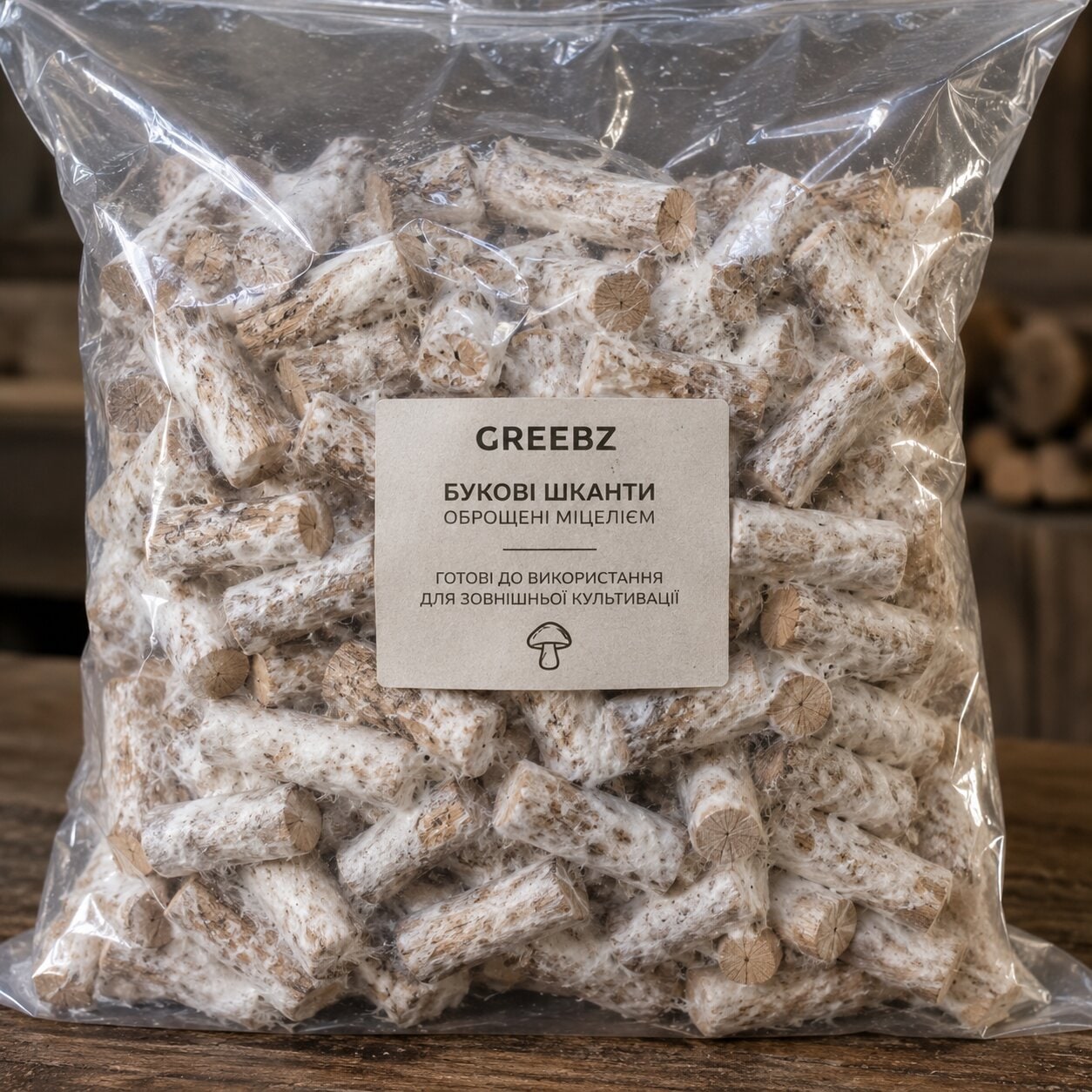
Beech plug spawn colonised with mycelium
Beech dowels colonised with the mycelium of the chosen culture. Ready to use for growing mushrooms outdoors on wood. Pack of 250–300 g. Available in a choice of cultures — list the ones you need in your request. One chosen culture = one pack of dowels. What's included - Beech dowels colonised with the mycelium of the chosen culture Important: wax and cotton wadding are not included. What you'll need for inoculation For working with the dowels we also recommend preparing: - Wax — to seal the holes after inserting the dowels. It closes the inoculation site and protects it from drying out and from the outside environment. - Cotton wadding — can be used for extra treatment and closing of the prepared holes. You will also need: - a drill; - a drill bit of the right diameter for the dowel; - a tool for inserting the dowels; - wood suitable for cultivation. Wax, cotton wadding and tools are bought separately. Specifications - Format: beech dowels colonised with the mycelium of the chosen culture - Pack weight: 250–300 g - Producer: GREEBZ
Made by us
On request
Other entries
Need help with your process?
Describe what's happening, even if you don't know the cause. We'll work it out together.