Dual extraction: why water and ethanol, not just a decoction
Which mushroom compounds pass into water and which into ethanol, how maceration, Soxhlet and ultrasound differ, why longer is not always better and why fractions are not mixed at once.
Author: Volodymyr Sobol
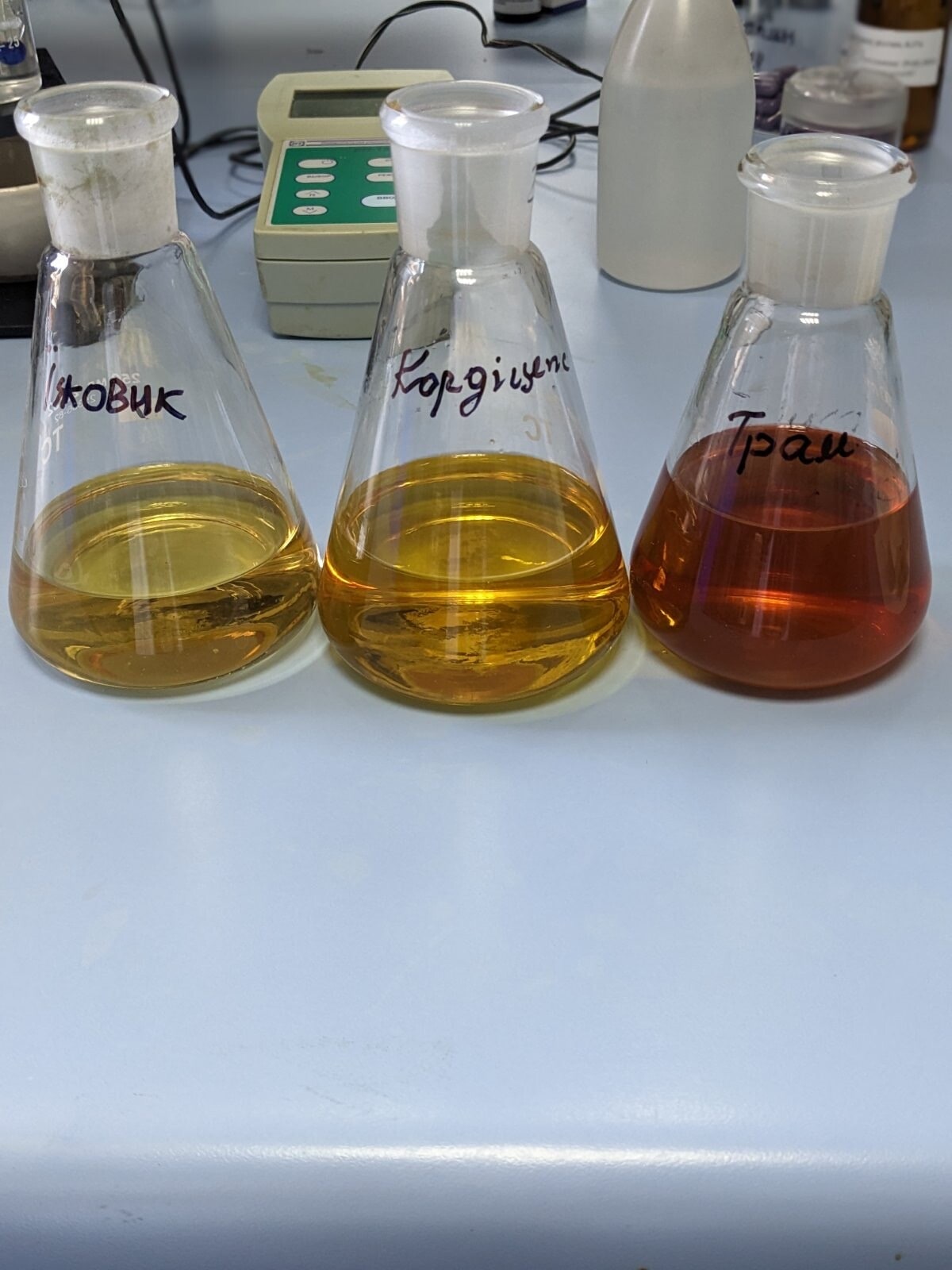
Our extraction is dual: first water, then ethanol. We then filter and concentrate each fraction separately, and only after that combine them. We choose the method — maceration, Soxhlet extraction or ultrasonic extraction — depending on the mushroom: the method and the solvent determine which compounds pass into the extract. We currently produce our liquid extracts of reishi, lion's mane, cordyceps and tiger milk mushroom in a Soxhlet apparatus, followed by vacuum concentration.
This article looks at why a single decoction or a single tincture is not enough, which extraction conditions studies report for the water and ethanol fractions, how maceration, Soxhlet and ultrasound differ, why a longer extraction is not always better, how the liquid is separated from the raw material and why the fractions are not mixed straight away. How the raw material is prepared for this step is covered in the article on grinding.
Two groups of compounds
Mushrooms contain two large groups of compounds that behave in opposite ways in solvents.
- Polysaccharides — above all glucans, as well as mannans and polysaccharide–protein complexes. They dissolve well in hot water, and hot water is what is most often used to isolate them. A review of reishi lists what hot water yields: β-glucans, α-glucans, α-mannans and polysaccharide–protein complexes (Cör D. et al., 2018).
- Triterpenoids and sterols — in reishi these are above all ganoderic acids. They dissolve well in fats and poorly in water (Wu P. et al., 2024). They need ethanol.
The difference between the solvents shows even in the polarity index: 9.0 for water, 5.2 for ethanol (Pintathong P. et al., 2021). Hence the idea of dual extraction. A 2025 review states that combining traditional extraction with alcohol and water with newer methods increases the yield of both water-soluble polysaccharides and alcohol-soluble triterpenes from mushrooms such as reishi and chaga (Yang J. Y. et al., 2025).
Why one solvent is not enough
This is shown most clearly in a 2020 study of ultrasonic extraction of reishi. The authors looked for a single mixture of water and ethanol that would extract both polysaccharides and triterpenoids well — and ran into the fact that the optima are opposite:
- the polysaccharide yield was highest at the lowest ethanol concentration (20%) — 0.46%, and the more ethanol, the fewer polysaccharides;
- the triterpenoid yield was highest at the highest concentration (80%) — 0.34% (Zheng S. et al., 2020).
The same paper also gives figures for the individual solvents:
| Method | Polysaccharides | Triterpenoids |
|---|---|---|
| Hot water, two extractions | 1.52% | — |
| Maceration in ethanol | — | 0.59% |
| One optimised extraction with 50% ethanol and ultrasound | 0.63% | 0.38% |
The comparison in this table is our reading of the paper's figures, not the authors' conclusion: the conditions in the rows differ. But the direction is clear. The "one solvent for everything" compromise gives noticeably less of both than separate solvents do.
For lion's mane, a 2025 study found that dual extraction with moderately concentrated ethanol extracted ergothioneine, ergosterol and other compounds best (Kała K. et al., 2025). There the extraction was done first with ethanol and then with water, so the order of steps varies between producers and researchers. What matters is the principle itself: two solvents, each for its own group of compounds.
Cordycepin from cordyceps is a special case. It dissolves in both water and ethanol: the cordycepin yield rose as the ethanol concentration was raised from 0 to 60%, and fell when it exceeded 70% (Wang H. J. et al., 2014). For analysis, cordycepin is also extracted with plain hot water at 85 °C (Pintathong P. et al., 2021).
Water fraction
Hot water extraction conditions in the literature vary widely. A 2025 review of mushroom polysaccharides gives a range of 50–121 °C and from 30 minutes to 10 hours (Kumla J. et al., 2025). Here are a few specific examples:
- Reishi, laboratory. 1 g of powder to 40 ml of water, 2 hours at 95 °C, with the extraction carried out twice. After the second extraction, almost no additional polysaccharides or triterpenoids came out (Zheng S. et al., 2020).
- Chaga. At 80 °C, 2 hours and a ratio of 1:20, the polysaccharide yield was 4%; at 100 °C, 4 hours and 1:10 it was 7% (Zhang S. et al., 2026).
- Shiitake. Conventional hot water extraction (70–90 °C, 30–90 minutes) gave a lower yield — 12.94% — than ultrasonic extraction (35.16%), but preserved the structure of the polysaccharides best (Phosarith N. et al., 2025).
The last example matters: the highest yield is not always the best result. If a method breaks down the molecules, "more polysaccharides" may mean more small fragments.
Ethanol fraction
For the ethanol fraction, too, studies report different conditions:
- Reishi, maceration. 1 g of powder to 40 ml of 95% ethanol, 6 hours at 30 °C with gentle stirring, with the extraction repeated (Zheng S. et al., 2020).
- Reishi, optimised conditions for triterpenoids. Heat-assisted extraction — 79 minutes, 90 °C, 62.5% ethanol; ultrasonic extraction — 40 minutes, 100 W, 89.5% ethanol (Oludemi T. et al., 2018).
- Lion's mane, erinacine A from mycelium. 80% ethanol, 45 minutes, ratio 1:30 (Valu M. V. et al., 2020).
- Cordyceps, cordycepin. 50% ethanol, 65 °C, 60 minutes with ultrasound — 7.04 mg/g (Wang H. J. et al., 2014).
So the ethanol concentration, too, is chosen to suit the mushroom and what exactly needs to be extracted: high for triterpenoids, medium for cordycepin.
Maceration, Soxhlet, ultrasound
| Method | How it works | Advantages | Limitations |
|---|---|---|---|
| Maceration | the raw material is steeped in the solvent | very simple, suitable for heat-sensitive compounds | slow, lower yield |
| Soxhlet apparatus | the raw material sits in a thimble made of filter paper or cloth, while the solvent continuously evaporates, condenses and flows through it fresh | less time and solvent than maceration; no need to filter the raw material separately | high temperature and prolonged heating increase the risk of breaking down compounds |
| Ultrasonic | ultrasound creates bubbles in the liquid that collapse (cavitation), speeding up the release of compounds from the cells | shorter and at a lower temperature, suitable for unstable compounds | can break down large polysaccharide molecules |
The methods are described from reviews of natural product extraction (Zhang Q. W. et al., 2018; Abubakar A. R., Haque M., 2020).
Comparative experiments on mushrooms:
- ergosterol from button mushrooms: ultrasonic extraction with ethanol in 15 minutes proved as effective as extraction in a Soxhlet apparatus (Heleno S. A. et al., 2016);
- cordycepin: in 1 hour ultrasound extracted 86.98% of the cordycepin, while ordinary steeping at the same temperature extracted 21.43%; steeping reached the same result only after 24 hours (Wang H. J. et al., 2014).
At the same time, ultrasound and microwaves can damage the structure of mushroom polysaccharides through local vibration and overheating (Wang W. et al., 2022) and reduce their molecular weight (Zhao C. et al., 2026). So there is no universally "best" method: for each mushroom we choose the one that gives the composition we need, not just the highest yield.
Longer does not mean better
In the same reishi study, the polysaccharide yield was highest at 90 minutes and then declined. The triterpenoid yield was highest at 120 minutes, and after that it also fell. Between 40 and 80 °C the triterpenoid yield increased, and above 80 °C it dropped (Zheng S. et al., 2020).
For cordycepin the limit is even lower: above 60–70 °C the yield fell, probably because cordycepin was breaking down, and the authors advise not to continue the extraction for more than 70 minutes (Wang H. J. et al., 2014). Reviews of polysaccharides explain the general mechanism: prolonged heating breaks the bonds between sugar residues, and the polysaccharide molecules become smaller (Sun J. et al., 2026; Liang H. et al., 2025).
And once the solvent inside the particles and around them has the same concentration of compounds, further steeping achieves nothing (Zhang Q. W. et al., 2018). So every extraction has its own optimum in time and temperature, and more hours are not always better.
Filtration
After extraction, we separate the liquid part of each fraction from the raw material. Studies use filtration or centrifugation for this (Sun J. et al., 2026). Examples:
- vacuum filtration through Whatman No. 1 filter paper (Pintathong P. et al., 2021);
- for lion's mane ethanol extracts, vacuum filtration through a filter with 10 µm pores; the water extract was centrifuged (Kała K. et al., 2025);
- after the main filtration, additional clarification through a 0.45 µm filter (Wang H. J. et al., 2014).
The spent raw material retains some of the liquid with its dissolved compounds. In pharmacognosy it is separated by filtration or decanting, and with some methods it is also pressed (Abubakar A. R., Haque M., 2020). Filtration also depends on the grind: a powder that is too fine retains dissolved compounds and makes filtration harder (Zhang Q. W. et al., 2018).
For finer separation of polysaccharides by molecular size, studies use ultrafiltration membranes — for example, a water extract of shiitake was split into fractions with membranes with cut-offs of 150, 20 and 5 kDa (da Rosa B. V. et al., 2026). Such separation is not necessary for producing an extract, but it shows how different the molecules within a single "water fraction" can be.
Why the fractions are not mixed straight away
Polysaccharides do not dissolve in ethanol. The standard way of isolating them from a water extract is built on this: ethanol is added to the extract, and the polysaccharides precipitate (Sun J. et al., 2026). In the reishi study, the ethanol concentration was brought to 75% for this, and the mixture was held for 12 hours at 4 °C (Zheng S. et al., 2020). When the ethanol concentration is raised gradually from 20 to 95%, the polysaccharides precipitate in fractions (Zhao C. et al., 2026).
So if a water extract is mixed with a fresh ethanol extract, some of the polysaccharides may simply precipitate. That is why we first concentrate each fraction separately — removing the solvent — and only then combine them. How this is done is covered in the article on concentration.
Safety
Ethanol is highly flammable. Its flash point is about 13 °C (NIOSH), its boiling point is 78 °C, and a mixture of its vapour with air is explosive (ILO/WHO International Chemical Safety Card). Extraction with heated ethanol means working with a highly flammable liquid: enclosed electric heating, a fume hood, and no open flame nearby.
What this means in practice
- Two solvents for two groups of compounds: water for polysaccharides, ethanol for triterpenoids and sterols.
- We choose the method and conditions to suit the mushroom and the compounds that need to be preserved, not the highest yield.
- We do not continue extraction beyond the optimum: excess heating destroys some of the compounds.
- We separate the liquid from the raw material thoroughly.
- We concentrate the fractions separately and only then combine them.
- We handle ethanol as a highly flammable liquid.
Sources
Method reviews and solubility
- Zhang Q. W., Lin L. G., Ye W. C., 2018. Techniques for extraction and isolation of natural products: a comprehensive review. Chinese Medicine 13, 20.
- Abubakar A. R., Haque M., 2020. Preparation of Medicinal Plants: Basic Extraction and Fractionation Procedures for Experimental Purposes. Journal of Pharmacy and Bioallied Sciences 12(1), 1–10.
- Wu P. et al., 2024. Bioactivities and industrial standardization status of Ganoderma lucidum: A comprehensive review. Heliyon 10(19), e36987.
- Cör D., Knez Ž., Knez Hrnčič M., 2018. Antitumour, Antimicrobial, Antioxidant and Antiacetylcholinesterase Effect of Ganoderma lucidum Terpenoids and Polysaccharides: A Review. Molecules 23(3), 649. Only the information on solvents is taken from this review.
- Yang J. Y. et al., 2025. Innovative applications of medicinal mushrooms in functional foods and nutraceuticals: a focus on health-boosting beverages. Frontiers in Cellular and Infection Microbiology 15, 1605301.
- Pintathong P. et al., 2021. The Feasibility of Utilizing Cultured Cordyceps militaris Residues in Cosmetics: Biological Activity Assessment of Their Crude Extracts. Journal of Fungi 7(11), 973.
Extraction conditions
- Zheng S., Zhang W., Liu S., 2020. Optimization of ultrasonic-assisted extraction of polysaccharides and triterpenoids from the medicinal mushroom Ganoderma lucidum and evaluation of their in vitro antioxidant capacities. PLOS ONE 15(12), e0244749.
- Oludemi T. et al., 2018. Extraction of triterpenoids and phenolic compounds from Ganoderma lucidum: optimization study using the response surface methodology. Food & Function 9(1), 209–226.
- Wang H. J. et al., 2014. Optimization of Ultrasonic-Assisted Extraction of Cordycepin from Cordyceps militaris Using Orthogonal Experimental Design. Molecules 19(12), 20808–20820.
- Valu M. V. et al., 2020. Optimization of Ultrasonic Extraction to Obtain Erinacine A and Polyphenols with Antioxidant Activity from the Fungal Biomass of Hericium erinaceus. Foods 9(12), 1889.
- Kała K. et al., 2025. Influence of Plant-Based Substrate Composition and Extraction Method on Accumulation of Bioactive Compounds in Hericium erinaceus Fruiting Bodies. Molecules 30(15), 3094.
- Heleno S. A. et al., 2016. Optimization of ultrasound-assisted extraction to obtain mycosterols from Agaricus bisporus by response surface methodology and comparison with conventional Soxhlet extraction. Food Chemistry 197, 1054–1063.
- Phosarith N., Siriwoharn T., Jirarattanarangsri W., 2025. Comparison of the Conventional, Chemical, and Ultrasound Extraction of Crude Polysaccharides and Their Properties from Lentinula edodes. Foods 14(14), 2428.
Polysaccharides: yield, degradation, precipitation
- Kumla J. et al., 2025. Research advances in fungal polysaccharides: production, extraction, characterization, properties, and their multifaceted applications. Frontiers in Cellular and Infection Microbiology 15, 1604184.
- Wang W. et al., 2022. Polysaccharides from fungi: A review on their extraction, purification, structural features, and biological activities. Food Chemistry: X 15, 100414.
- Zhao C. et al., 2026. Process-Programmed Extraction–Structure–Activity Relationships (ESAR) in edible and medicinal mushroom polysaccharides. Journal of Advanced Research 87, 1045–1077.
- Sun J. et al., 2026. Extraction, purification, structural characterization, bioactivities, and applications of Pholiota nameko polysaccharide: a review. RSC Advances 16(20), 17753–17783.
- Liang H. et al., 2025. A Review on the Extraction, Structural Analysis, and Antitumor Mechanisms of Sanghuangporus Polysaccharides. Foods 14(4), 707. Only the information on extraction is taken from this review.
- Zhang S. et al., 2026. Inonotus obliquus Polysaccharides: Preparation, Structural Characteristics, Structure–Activity Relationships, Biological Activities and Applications. Nutrients 18(7), 1125.
- da Rosa B. V. et al., 2026. Membrane fractionation and characterization of shiitake (Lentinula edodes) polysaccharides. Environmental Science and Pollution Research 33(27), 13770–13779.
Safety
Related mushrooms
Materials for growing
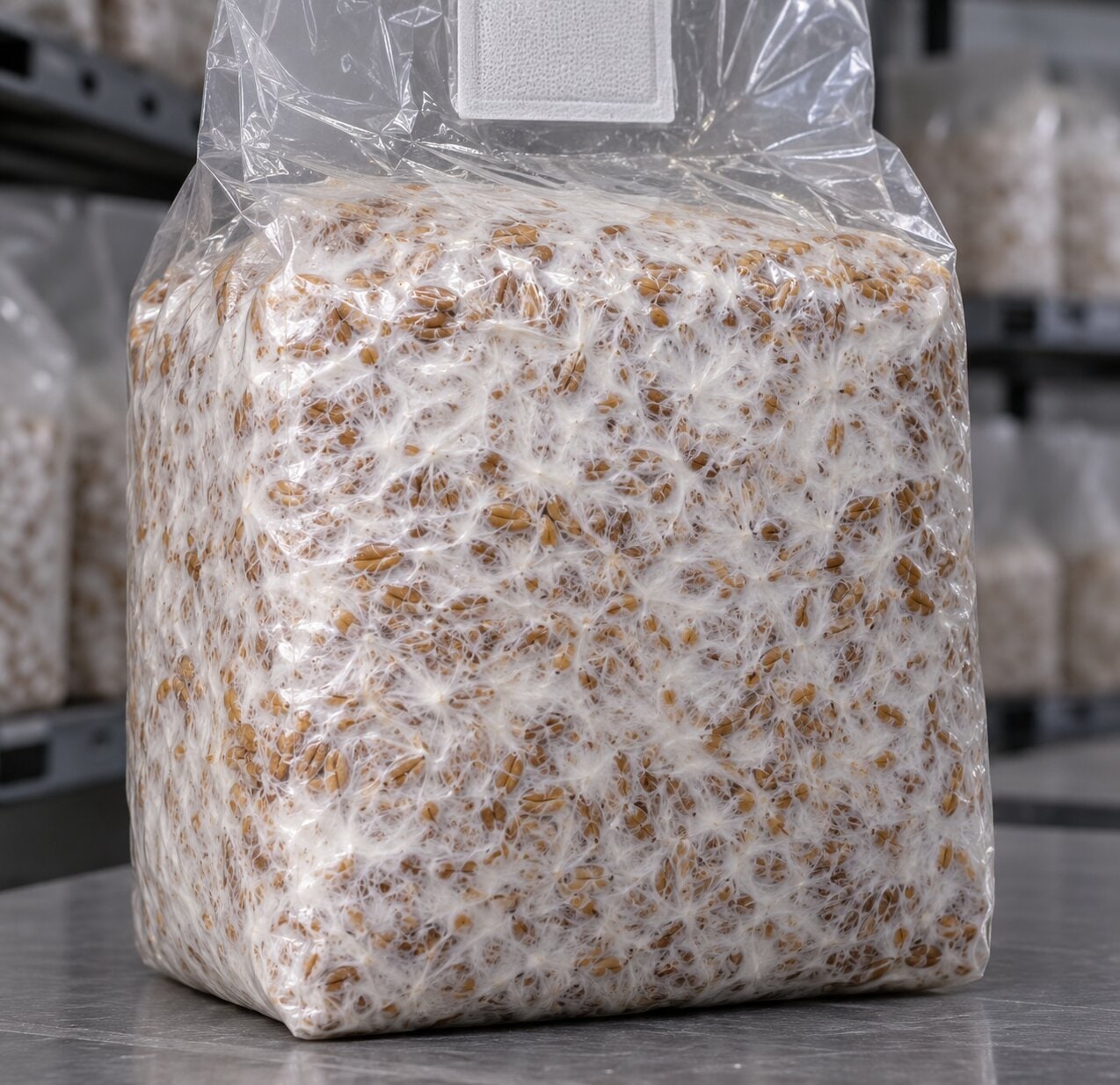
Master grain spawn — 5 kg bag
GREEBZ master grain spawn of the chosen culture. A pure culture on sterile grain substrate. Available in a choice of cultures — list the ones you need in your request. Master spawn is intended for further propagation and the production of production spawn. Grown from a pure culture under sterile laboratory conditions. Specifications - Format: grain spawn in a filter bag (grow bag), 5 kg - Substrate: sterile grain - Producer: GREEBZ
Made by us
On request
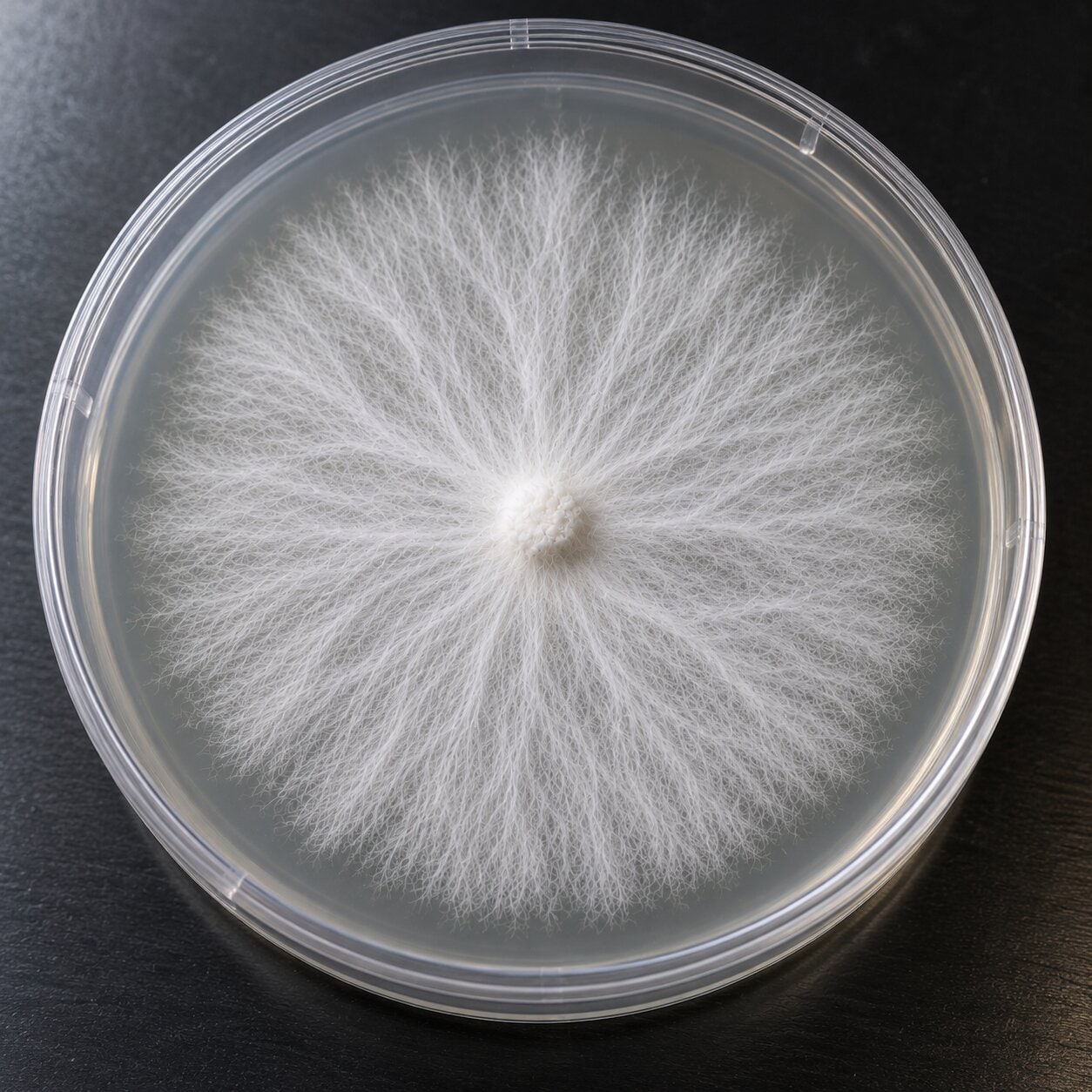
Pure mushroom culture — Petri dish
Pure GREEBZ mushroom cultures on a sterile agar nutrient medium. Available in a choice of cultures — list the ones you need in your request. Pure mushroom cultures grown under laboratory conditions on a sterile agar nutrient medium in Petri dishes. They are intended for further propagation of the culture, transfer to fresh nutrient medium and the production of grain spawn. One chosen culture = one Petri dish. Specifications - Format: pure culture on a sterile agar nutrient medium in a Petri dish - Producer: GREEBZ
Made by us
On request
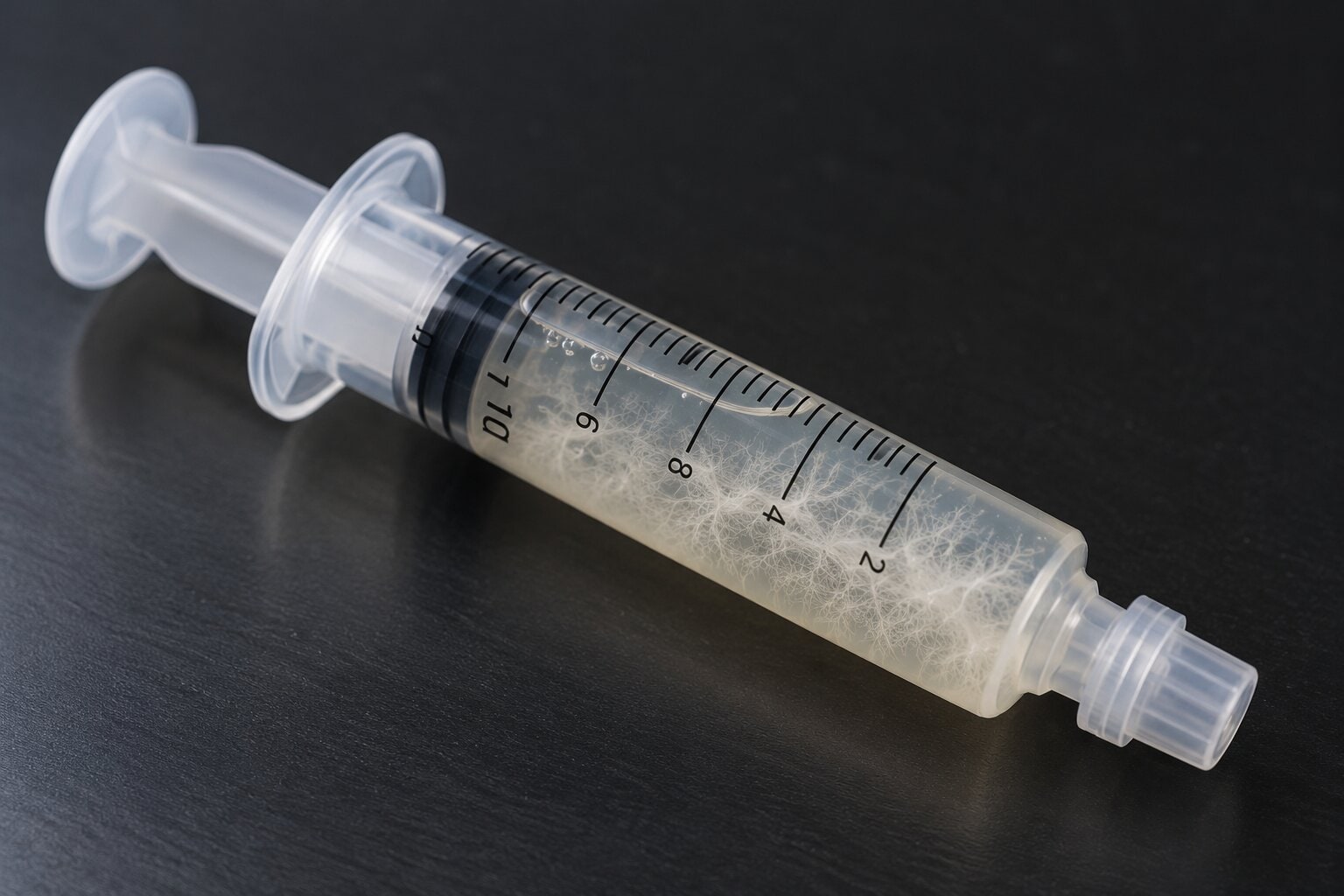
Liquid culture — 10 ml Luer Lock syringe
Pure GREEBZ mushroom liquid cultures. Available in a choice of cultures — list the ones you need in your request. The liquid culture is grown from a pure culture under sterile laboratory conditions. It is intended for inoculating grain substrate and producing grain spawn. Specifications - Format: liquid culture in a sterile Luer Lock syringe, 10 ml - Producer: GREEBZ
Made by us
On request
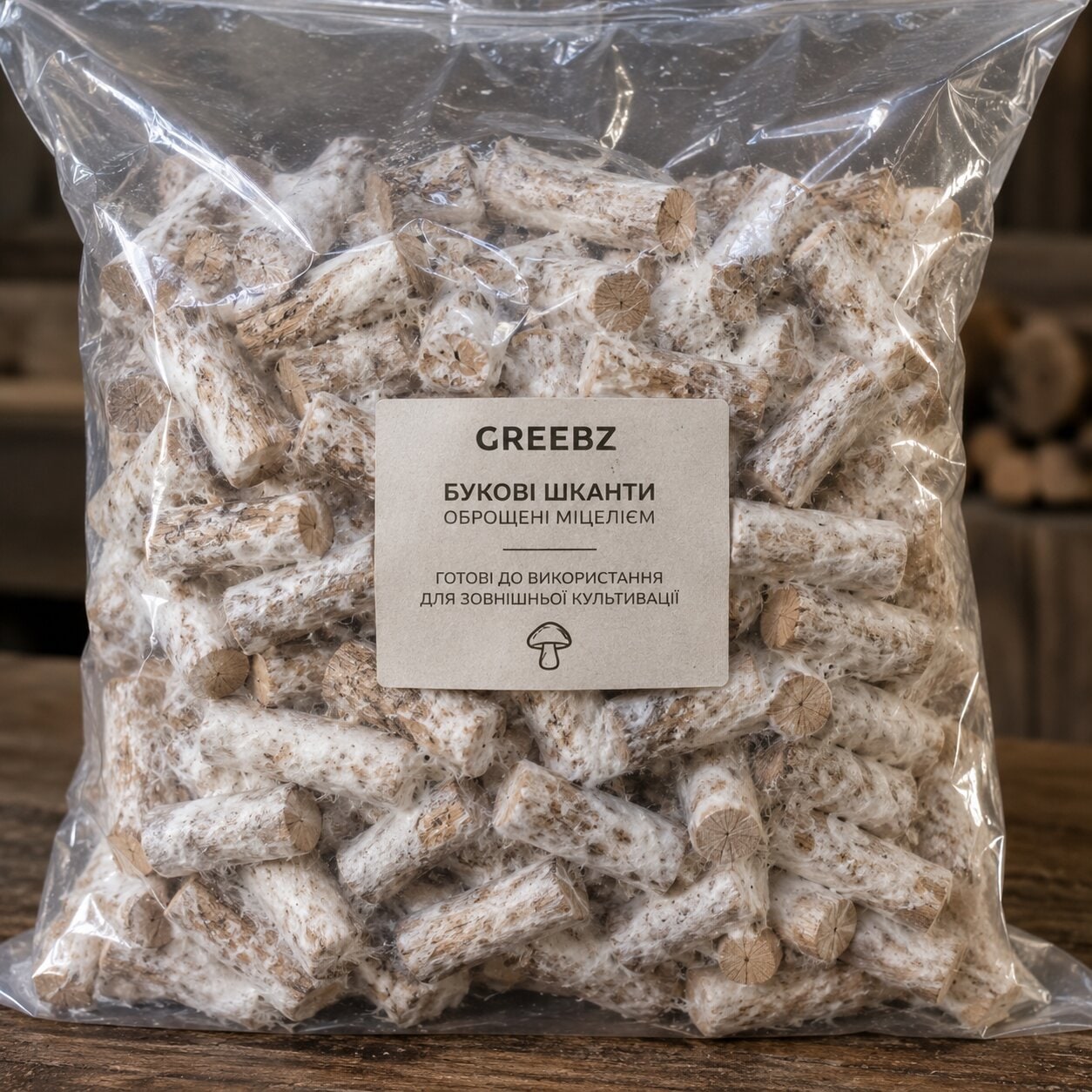
Beech plug spawn colonised with mycelium
Beech dowels colonised with the mycelium of the chosen culture. Ready to use for growing mushrooms outdoors on wood. Pack of 250–300 g. Available in a choice of cultures — list the ones you need in your request. One chosen culture = one pack of dowels. What's included - Beech dowels colonised with the mycelium of the chosen culture Important: wax and cotton wadding are not included. What you'll need for inoculation For working with the dowels we also recommend preparing: - Wax — to seal the holes after inserting the dowels. It closes the inoculation site and protects it from drying out and from the outside environment. - Cotton wadding — can be used for extra treatment and closing of the prepared holes. You will also need: - a drill; - a drill bit of the right diameter for the dowel; - a tool for inserting the dowels; - wood suitable for cultivation. Wax, cotton wadding and tools are bought separately. Specifications - Format: beech dowels colonised with the mycelium of the chosen culture - Pack weight: 250–300 g - Producer: GREEBZ
Made by us
On request
Other entries
Need help with your process?
Describe what's happening, even if you don't know the cause. We'll work it out together.