Volodymyr Sobol
I study mushrooms. I grow them. And I've built my life around it.
My path doesn't start with a finished jar on a shelf.
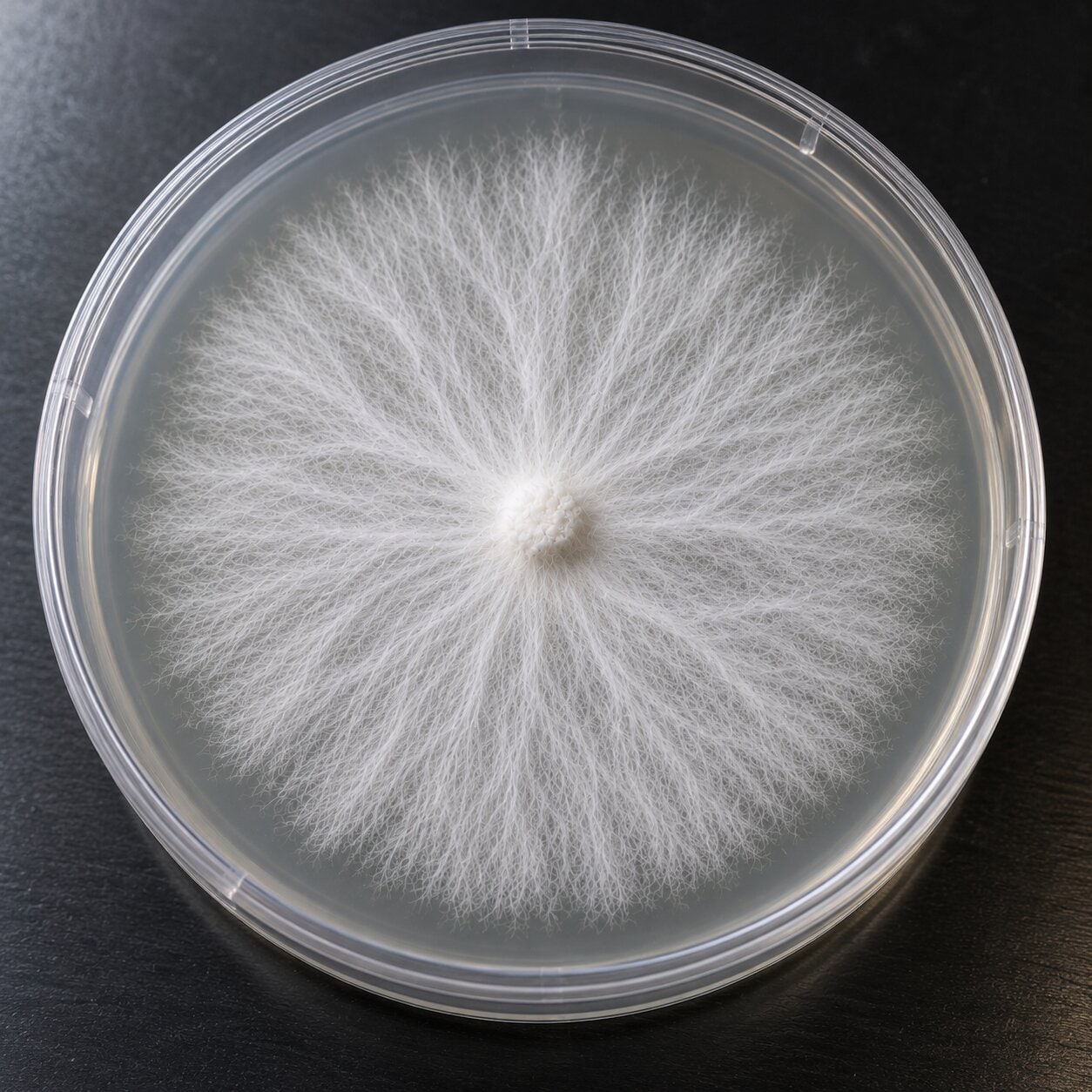
It starts with a mushroom culture in a Petri dish.
Then comes mycelium, substrate, cultivation, the mushroom itself, processing and the finished product.
I've spent years building this process with my own hands. Here I show it as it really is.
- Own laboratory
- Own cultivation
- Own cultures
- Full cycle
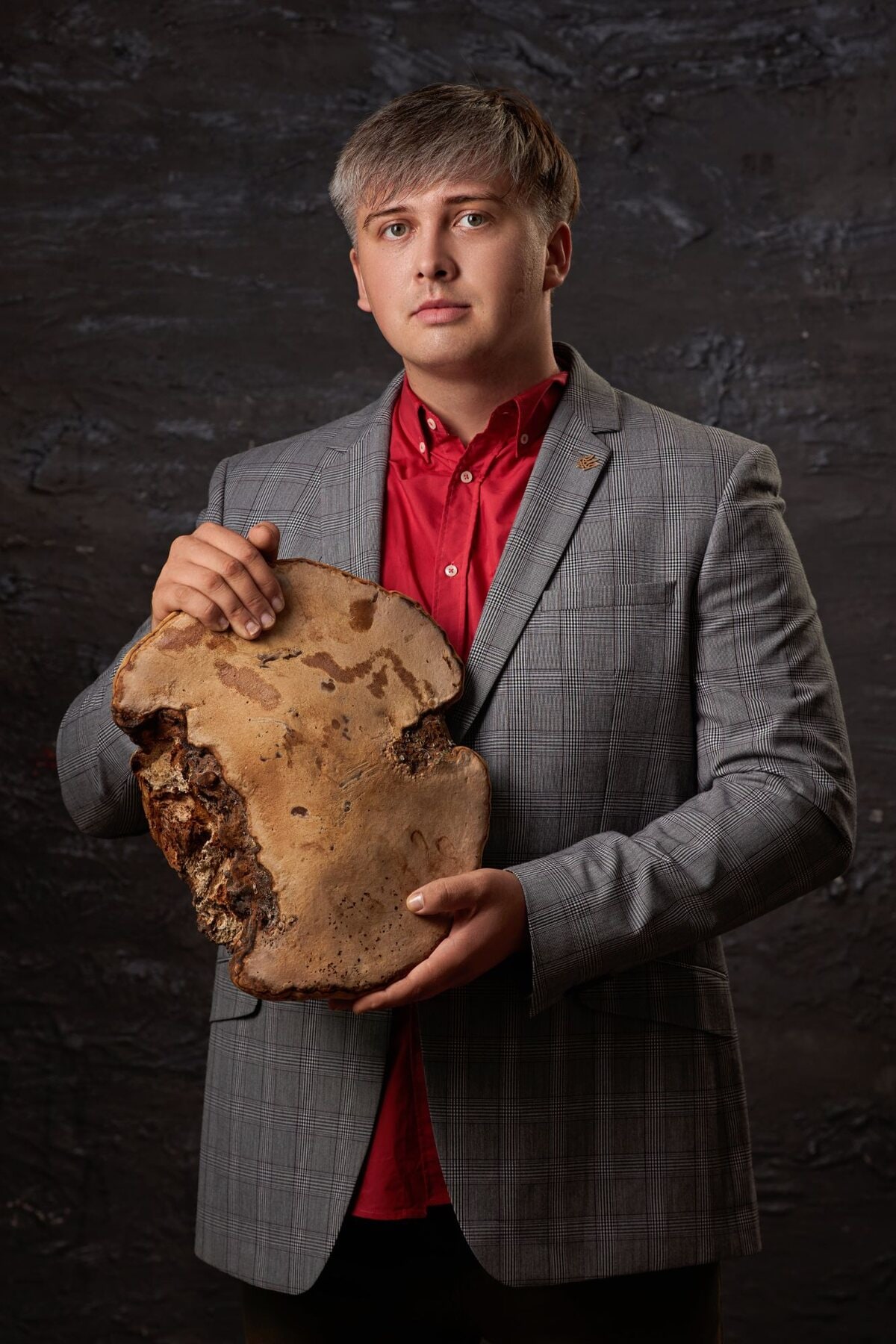
I simply wanted to understand how it works
At first I was just curious how to grow a mushroom. And the deeper I got, the more new questions appeared.
At some point my fascination with mushrooms simply became my work. The curiosity never went away.
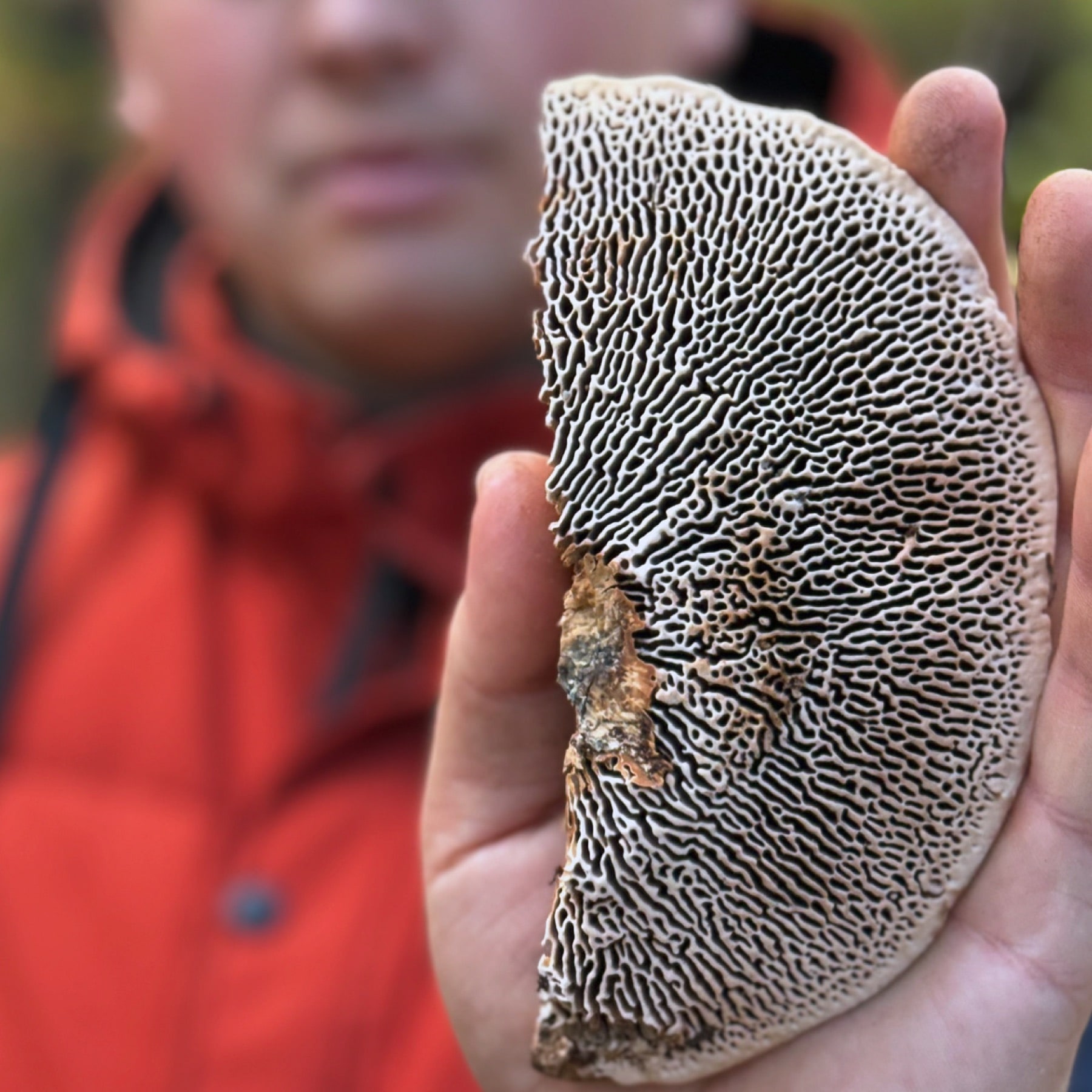
From culture to finished product
I don't want you to simply believe what's written on a website.
So I show the process.
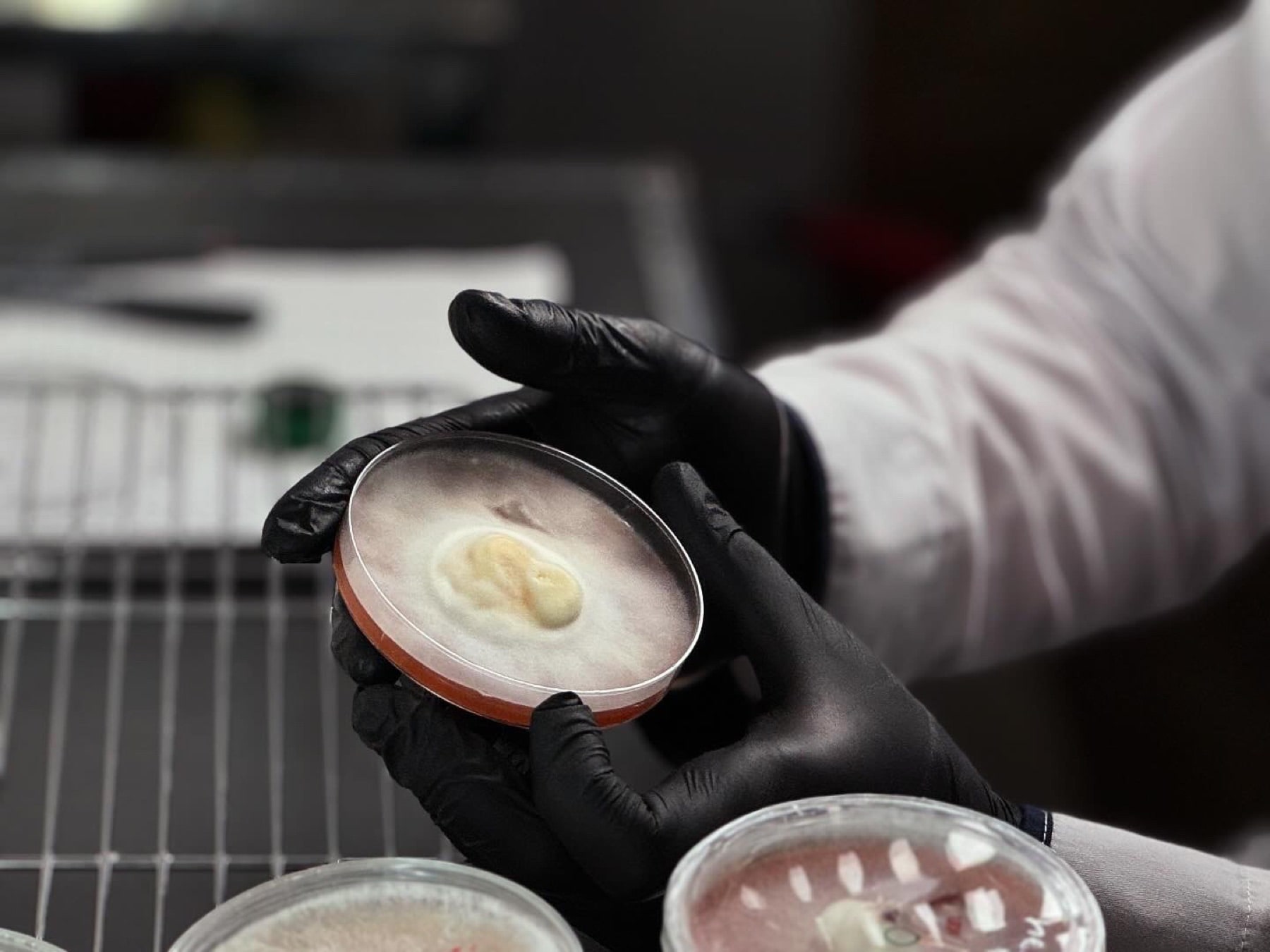
01
Culture
Everything starts with the culture and its genetics. I work with pure cultures: I keep them, compare them and select material for further work.
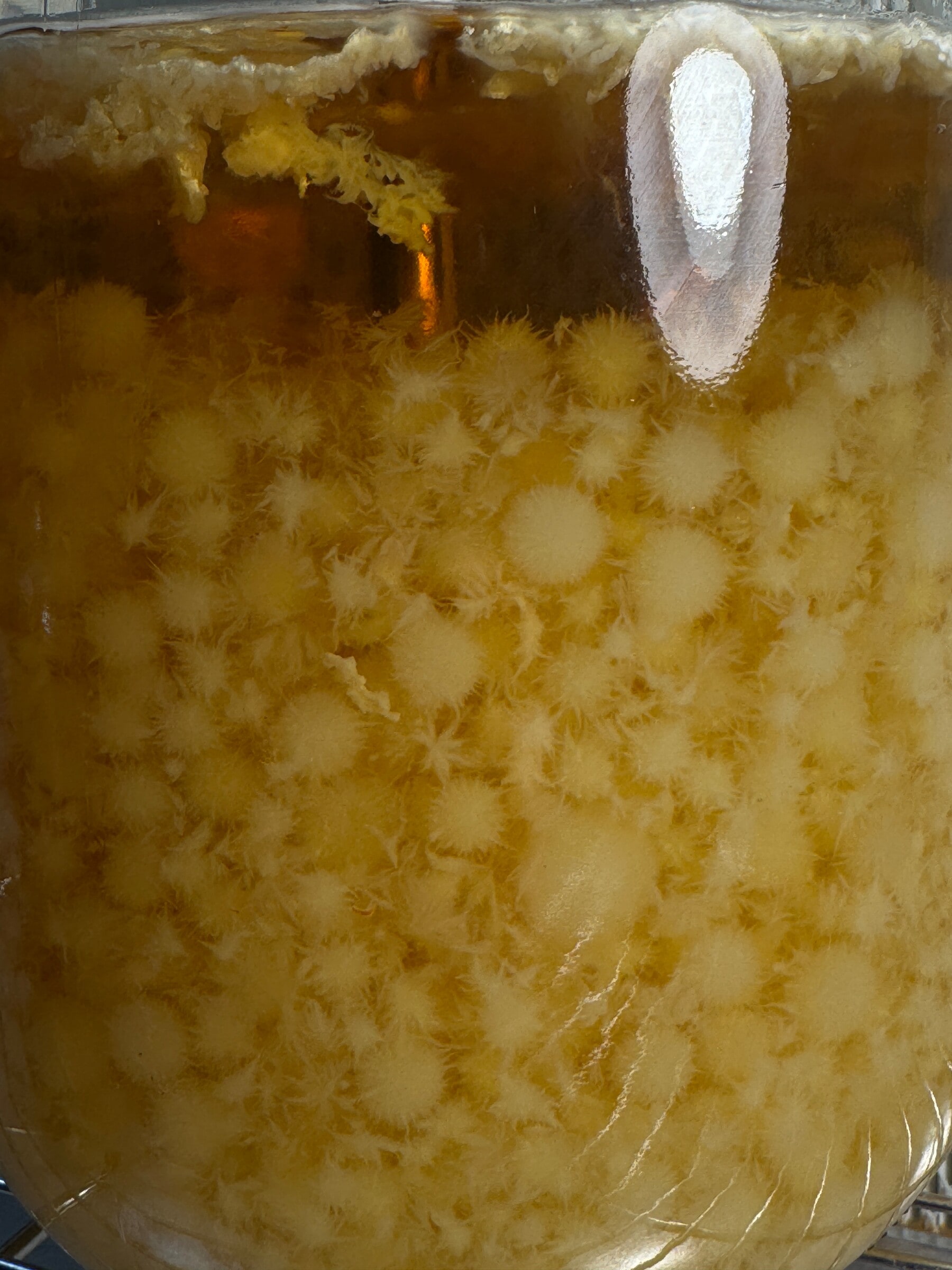
02
Laboratory
Pure cultures are transferred onto fresh agar or into liquid nutrient media. At this stage we check the purity of the culture and the condition of the material.
03
Mycelium
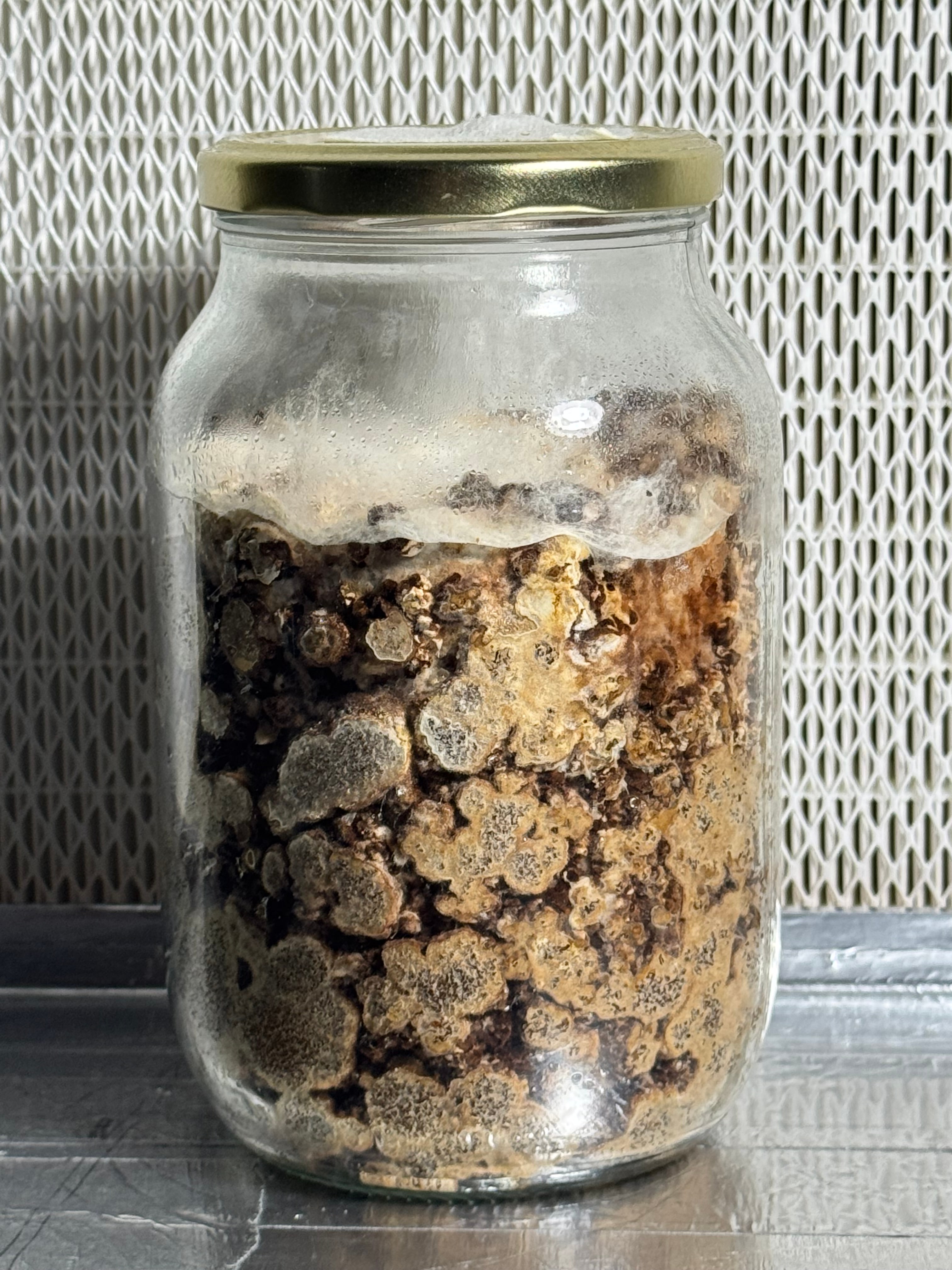
From a pure culture we obtain material for further inoculation: liquid culture or grain spawn.
04
Cultivation
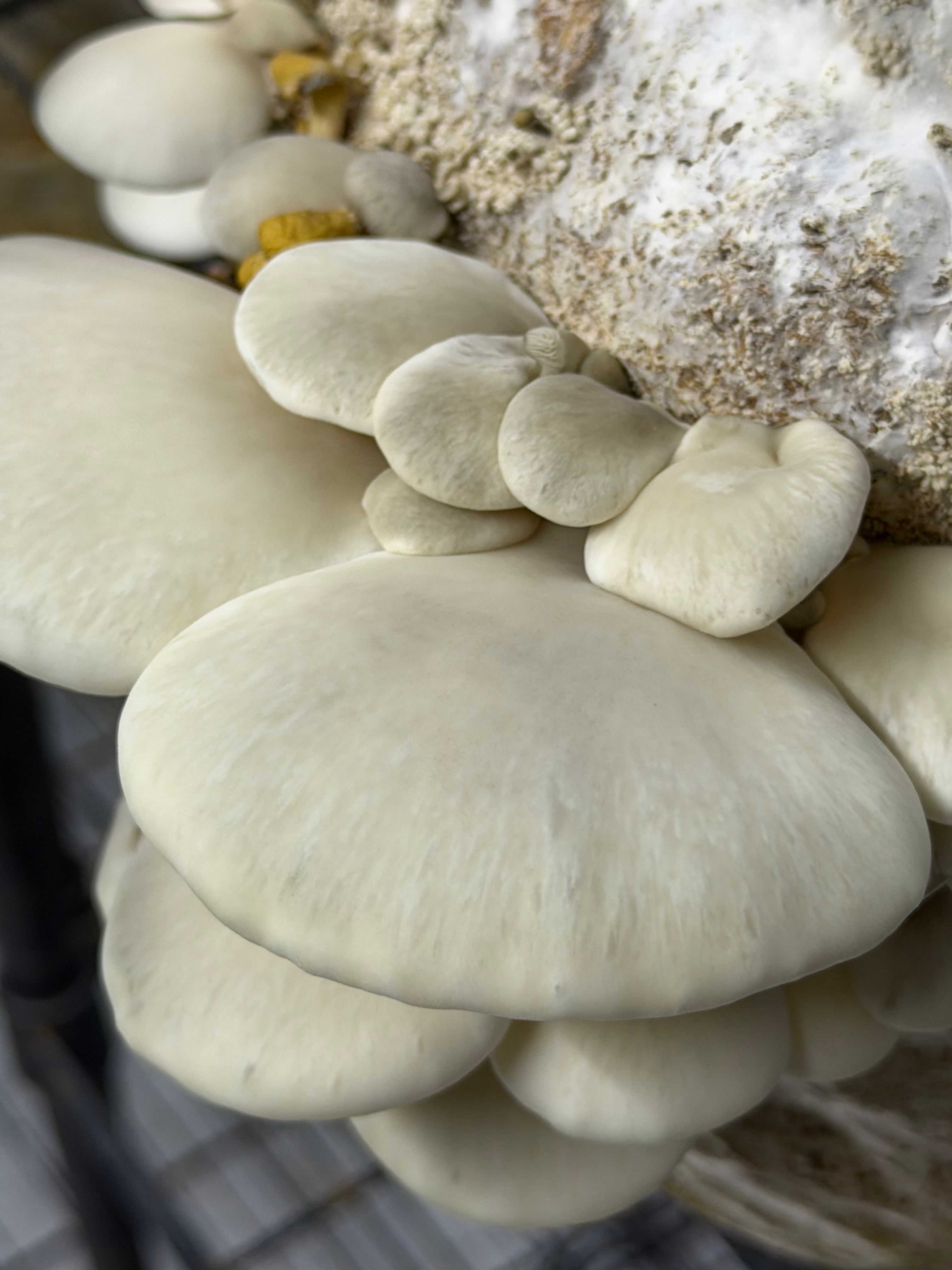
Then a completely different part of the work begins: substrate, temperature, humidity, fresh air, light and time.
05
Mushroom
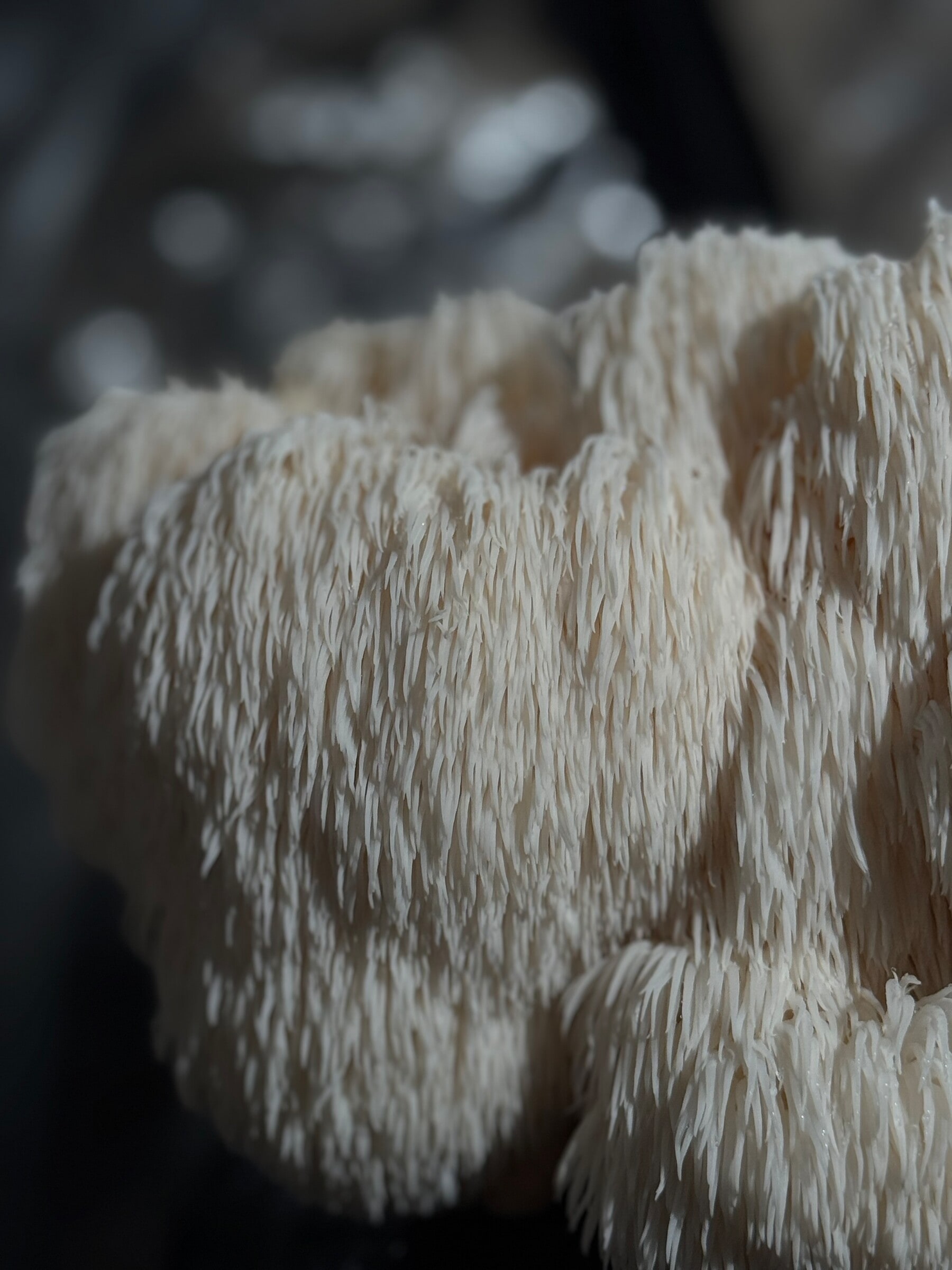
What a buyer sees as a finished mushroom is, for me, the result of a long chain of earlier processes.
06
Processing
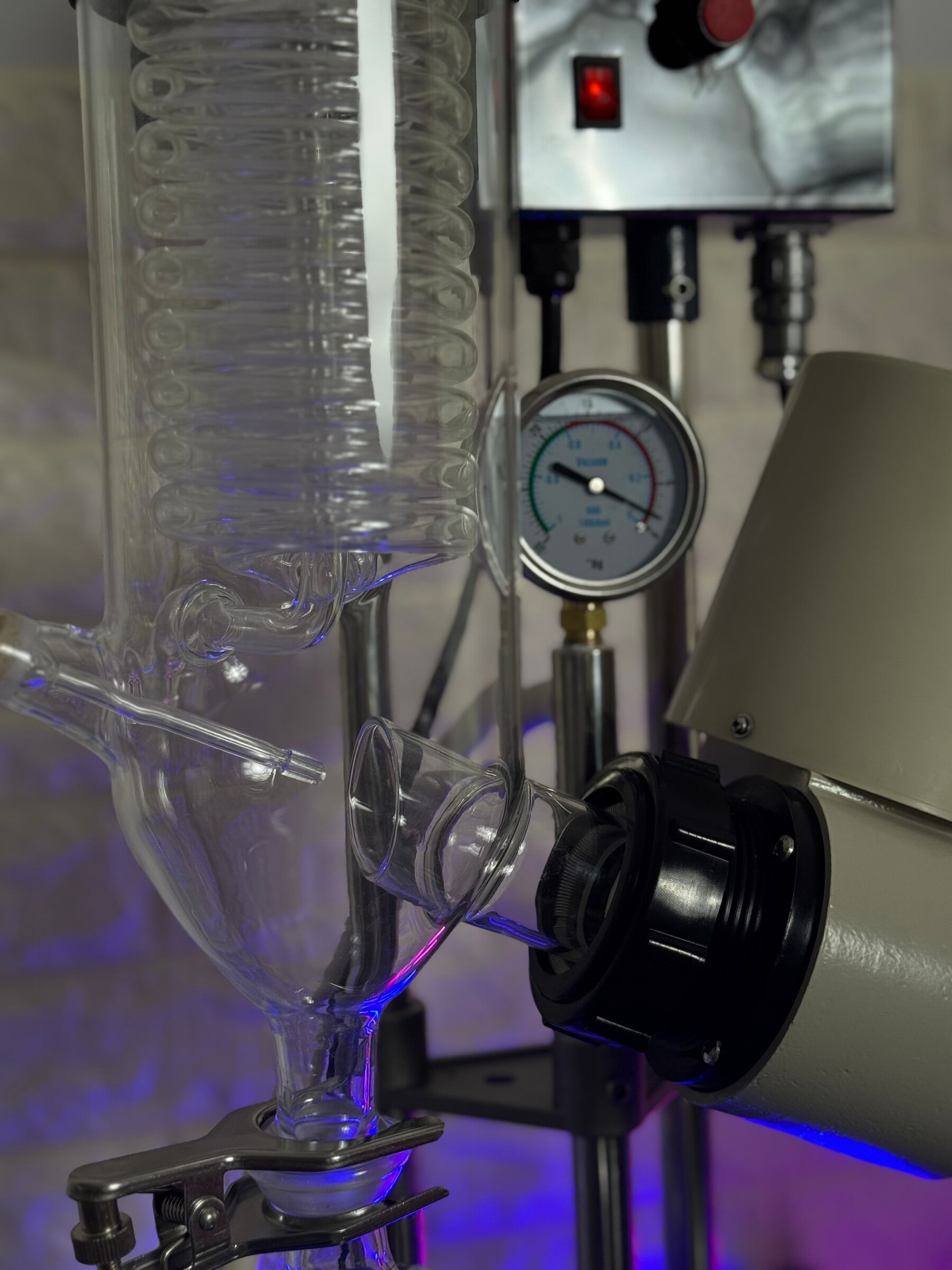
Part of the harvest is used fresh; part is dried or sent on for further processing and extraction.
07
Product
And only after all that does something appear that can be put on a shelf.
- See the whole process →
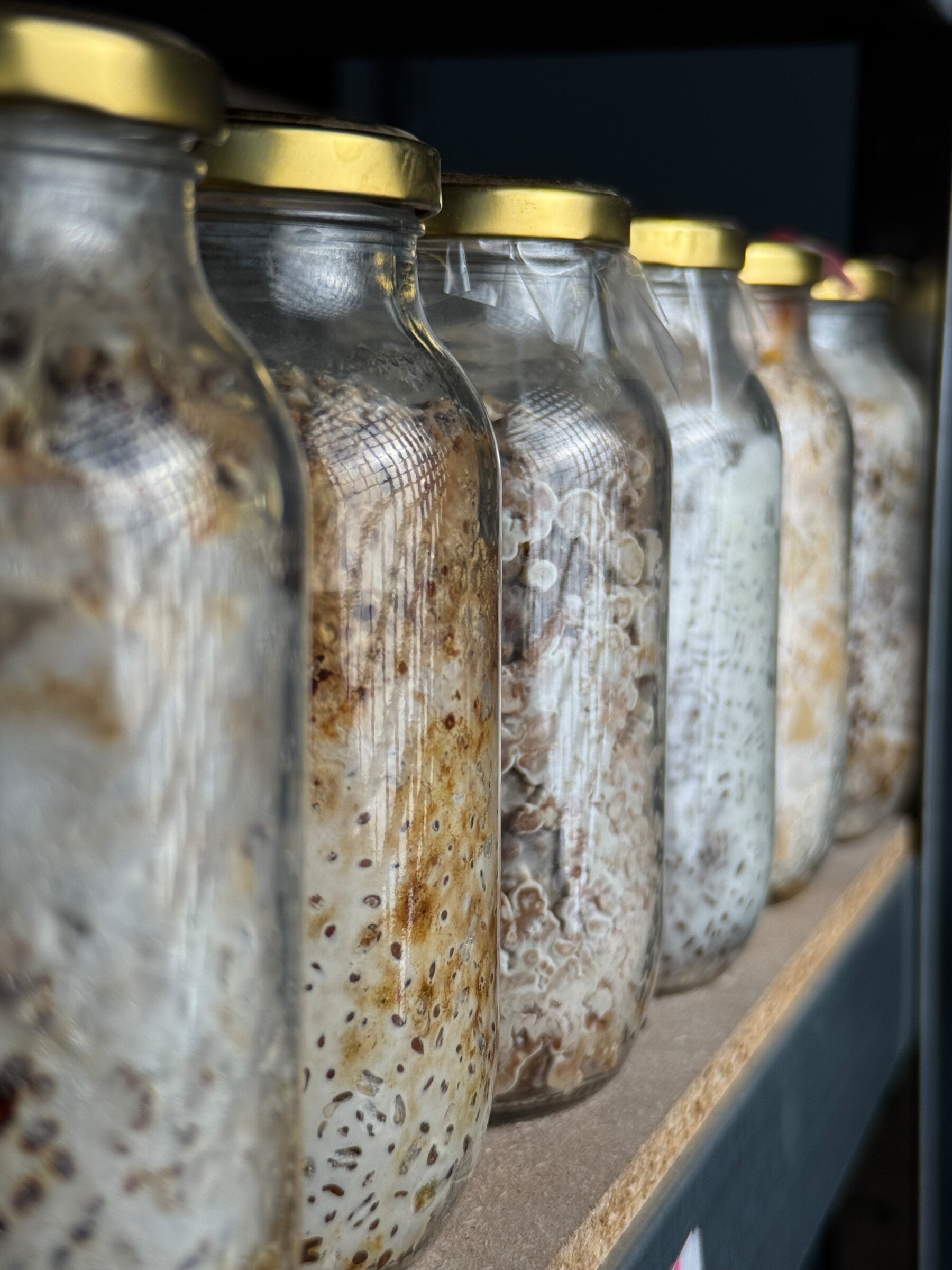
A laboratory without the set dressing
This is my work.
This is where I work with cultures.
This is where mycelium is prepared.
This is where we test new ways of cultivation.
Sometimes everything works out here.
And sometimes we have to throw away the result of several weeks of work and start over.
It's that second part that has taught me the most.
I don't want to create the image of a perfect laboratory where nothing ever goes wrong.
Research doesn't work that way.
We try. We observe. We make mistakes. We change the process. And we try again.
What I work with
I'm interested in mushrooms with unusual biology, demanding cultivation technology or potentially interesting compounds.
Among the directions of my work:
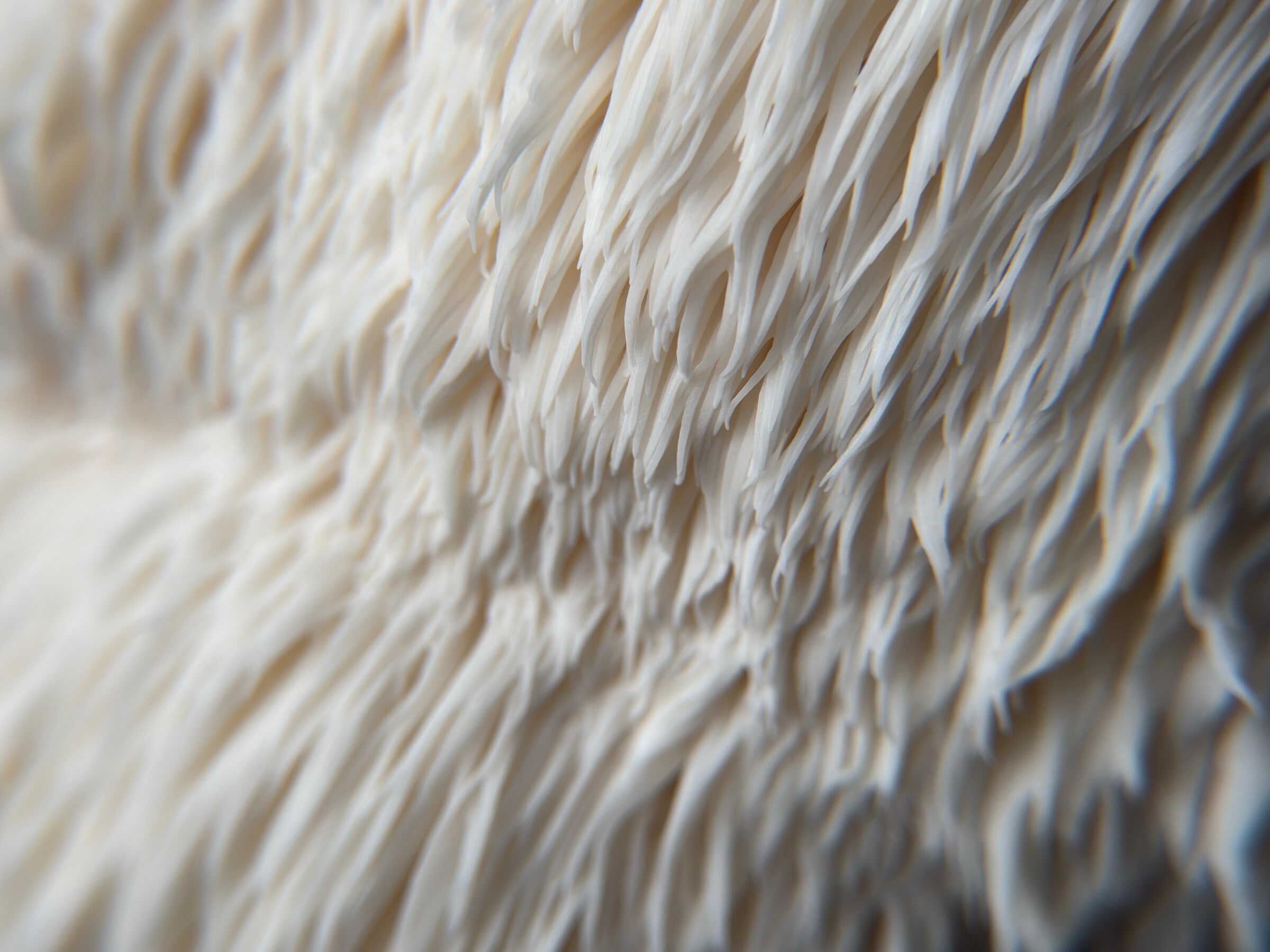
Lion's mane
Hericium erinaceus
One of the mushrooms that much of my work with functional species started from.
About the species →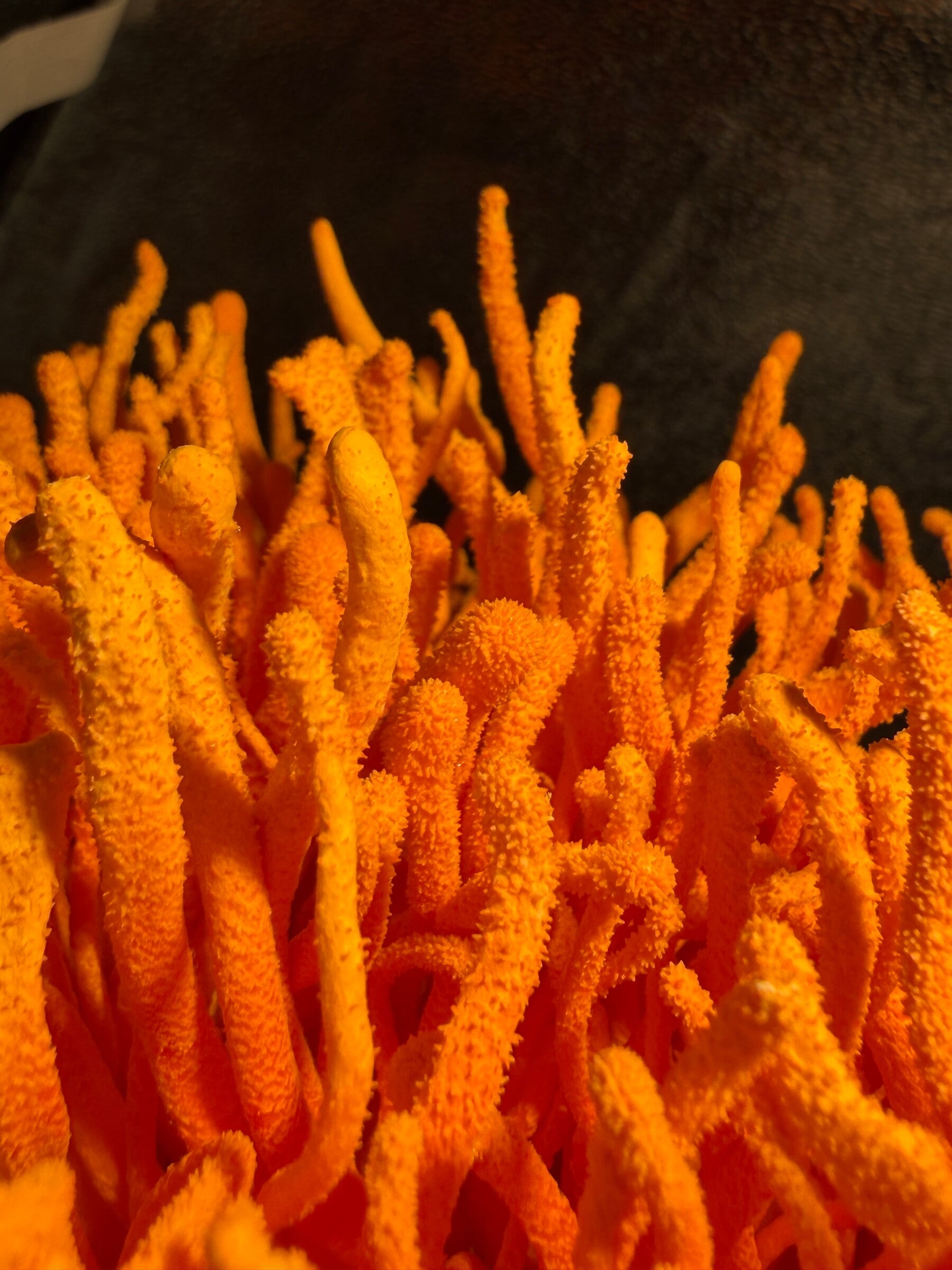
Cordyceps militaris
Cordyceps militaris
The mushroom that made me work especially hard with strains, nutrition and cultivation regimes.
About the species →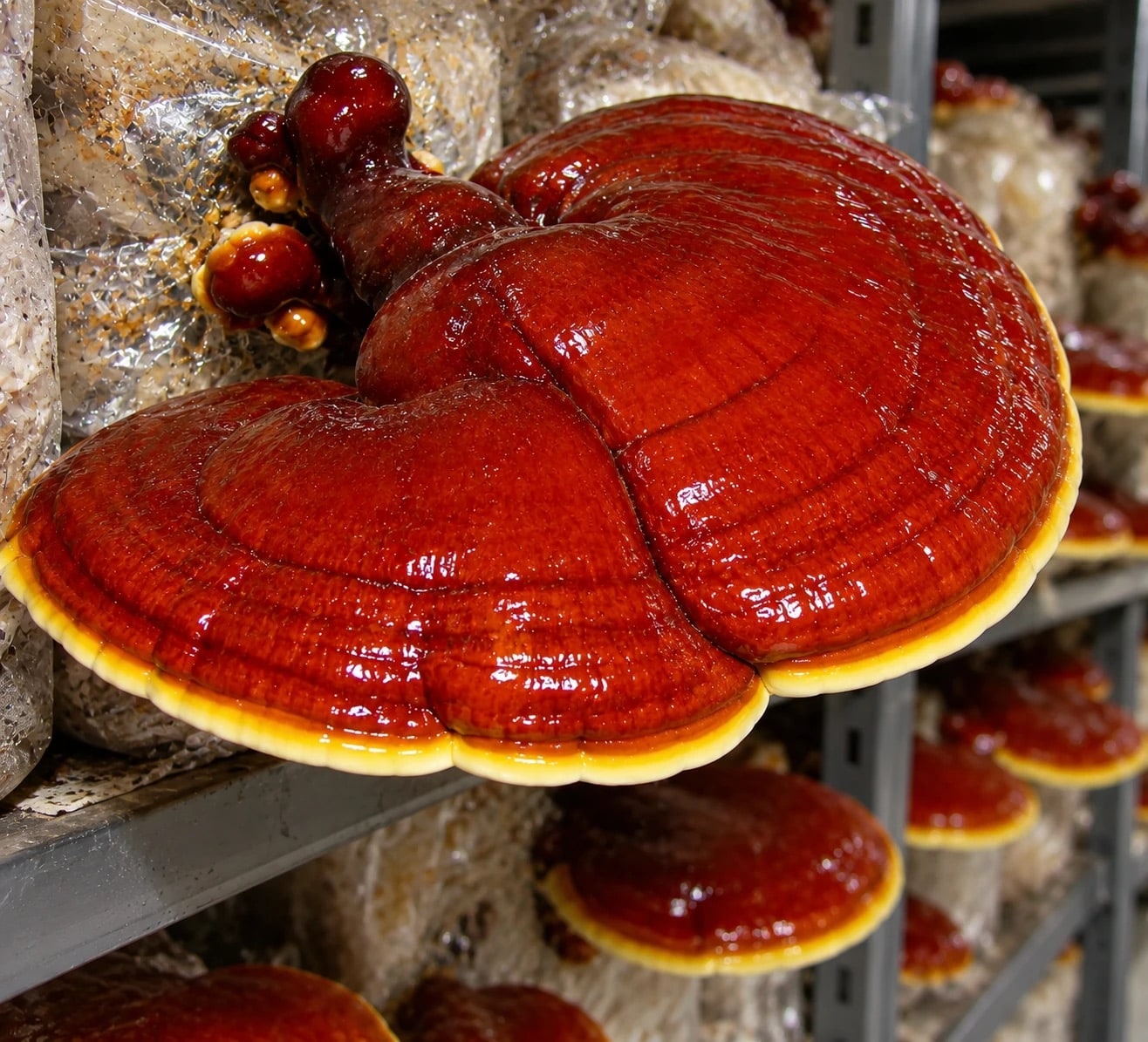
Reishi
Ganoderma lucidum
A classic wood-decaying mushroom with very interesting biochemistry.
About the species →
And that's far from the full list.
See species and cultures →I'm interested in mushrooms, not the legends around them
There are a lot of beautiful stories around functional mushrooms.
I'm more interested in what can be seen, grown, measured or checked.
I want to know:
- what exactly I grew;
- which strain I used;
- how it behaved;
- what was in the substrate;
- what conditions it got;
- what came out after processing.
That's why my work doesn't stop at the word "natural".
For me, the most interesting part begins after the question:
"What's really in there?"
GREEBZ
When experiments turned into a product
At some point simply growing mushrooms was no longer enough for me.
I wanted to go all the way.
From the culture to a product you can hold in your hands.
That's how GREEBZ came about.
It's a way to turn the results of our work in the lab and in production into finished products.
No story about a magic pill.
No promises to cure everything.
For me it's far more important to know where the raw material comes from and to control how it's produced.
What we work with ourselves
This isn't only a place to buy finished products.
I've opened part of our production system to people who want to grow mushrooms themselves.
For yourself
Mushrooms and GREEBZ products.
View →
For growing
Liquid cultures, agar cultures, grain spawn and other cultivation materials.
View →
For business
Raw materials, extracts, technology consulting and work with producers.
Learn more →
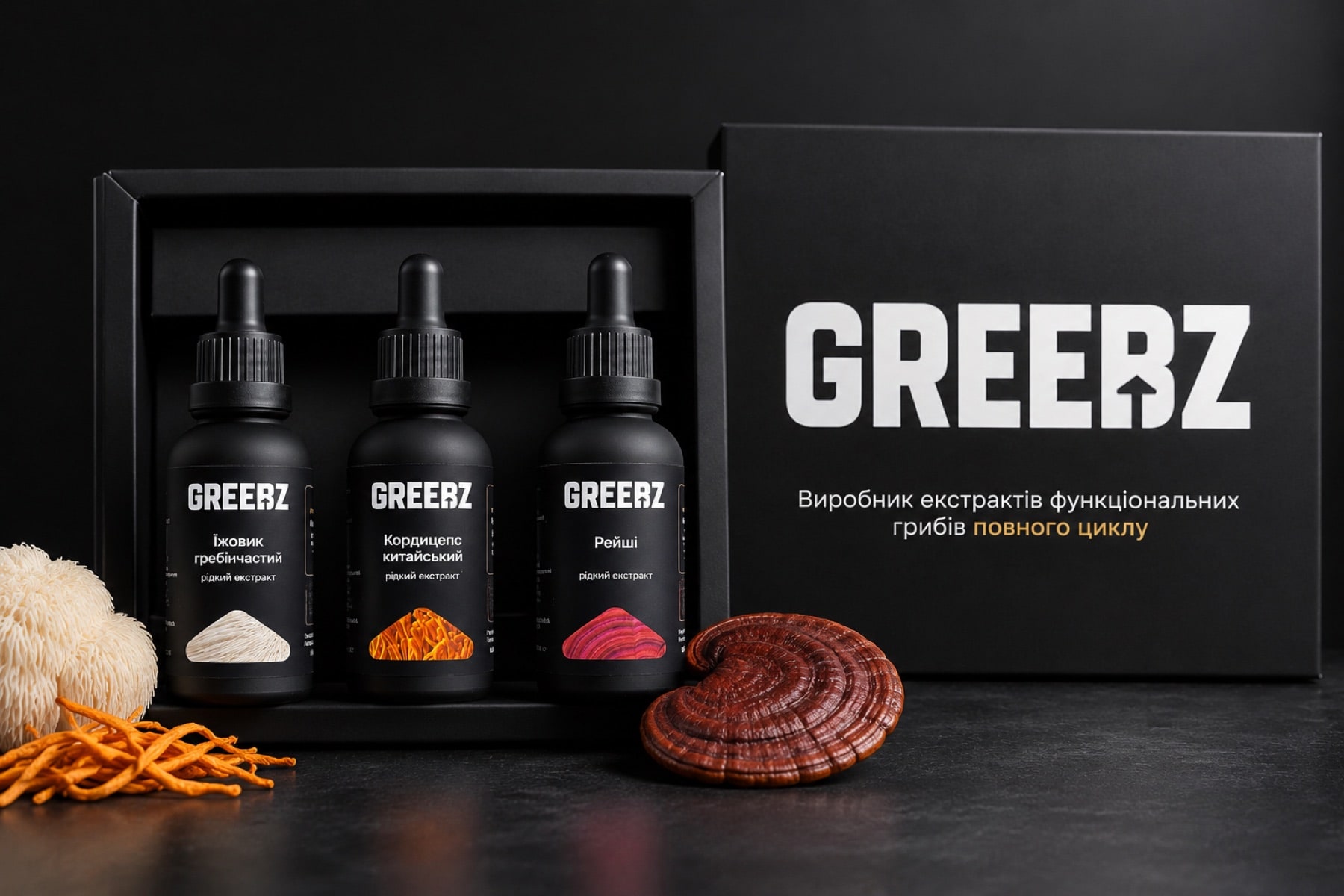
GREEBZ functional mushroom extract set
A gift set of three GREEBZ functional mushroom liquid extracts in a branded box. The set includes extracts of lion's mane, Cordyceps militaris and reishi. What's in the set - Lion's mane — liquid extract - Cordyceps militaris — liquid extract - Reishi — liquid extract
Made by us
On request
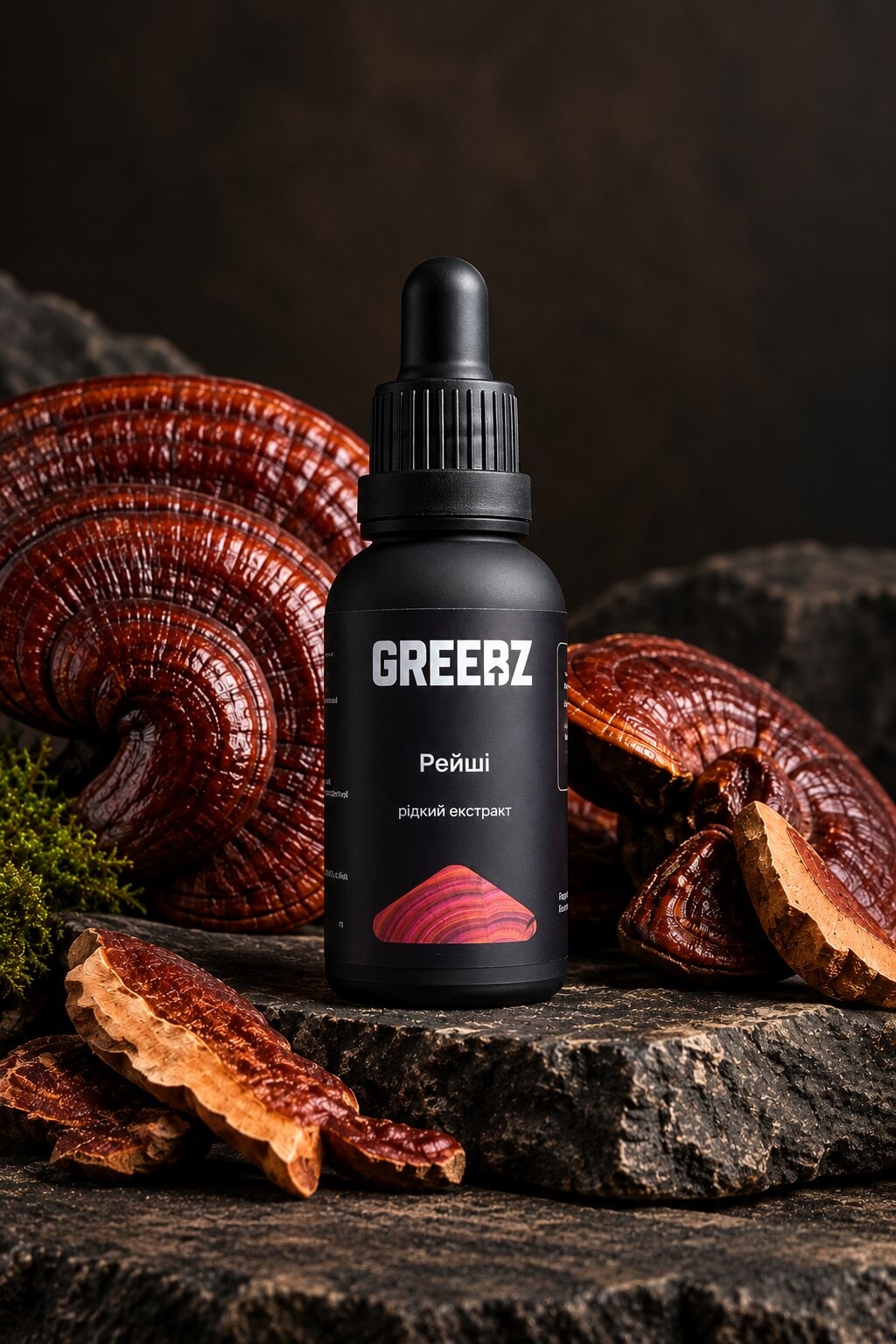
Reishi — GREEBZ liquid extract
A 30% liquid extract of reishi (Ganoderma lucidum) from GREEBZ's own production. We use controlled mushroom raw material from our own production. Extraction is carried out in a Soxhlet apparatus, followed by vacuum concentration. Ganoderma lucidum is studied as a source of fungal polysaccharides, triterpenoids and other compounds. Whether specific compounds are present in the finished product, and in what amounts, requires separate laboratory analysis. Specifications - Species: Ganoderma lucidum - Concentration: 30% - Method: Soxhlet extraction followed by vacuum concentration - Format: liquid extract in a dropper bottle - Volume: 30 ml - Producer: GREEBZ
Made by us
On request
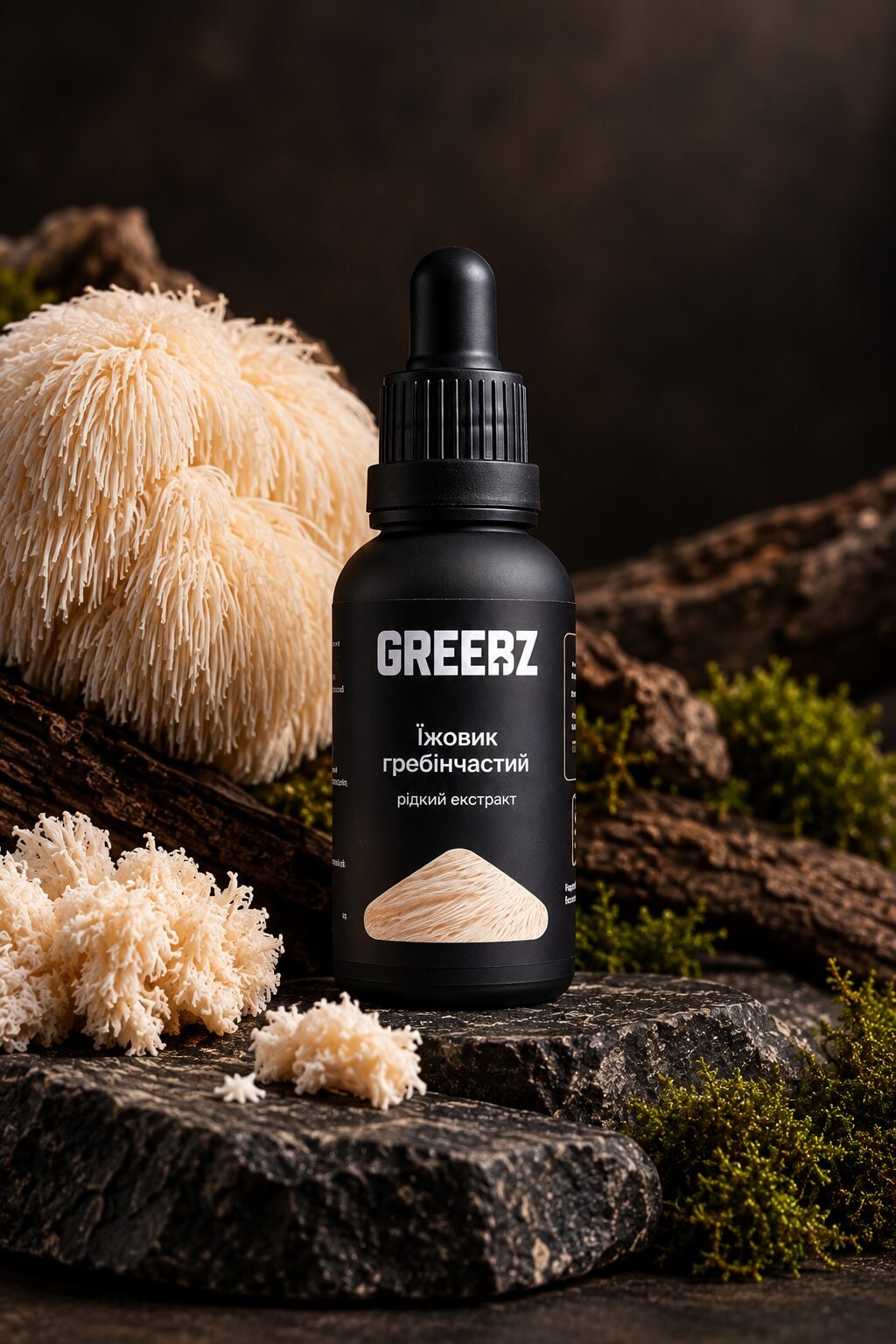
Lion's mane — GREEBZ liquid extract
A 30% liquid extract of lion's mane (Hericium erinaceus) from GREEBZ's own production. We use controlled mushroom raw material from our own production. Extraction is carried out in a Soxhlet apparatus, followed by vacuum concentration. Hericium erinaceus is studied as a source of various groups of fungal compounds. Whether specific compounds are present in the finished product, and in what amounts, requires separate laboratory analysis. Specifications - Species: Hericium erinaceus - Concentration: 30% - Method: Soxhlet extraction followed by vacuum concentration - Format: liquid extract in a dropper bottle - Volume: 30 ml - Producer: GREEBZ
Made by us
On request
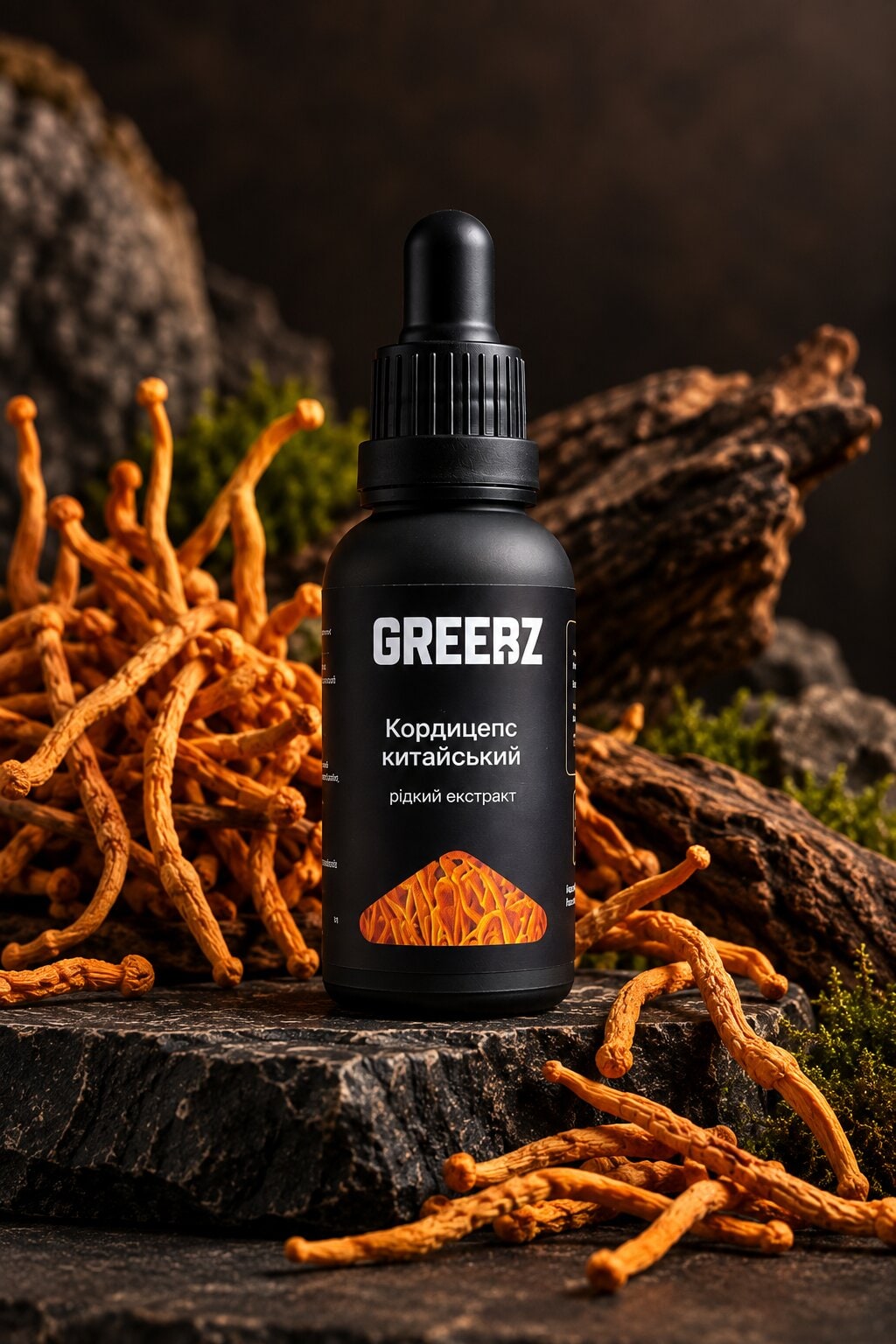
Cordyceps militaris — GREEBZ liquid extract
A 30% liquid extract of Cordyceps militaris (Cordyceps militaris) from GREEBZ's own production. We use controlled mushroom raw material from our own production. Extraction is carried out in a Soxhlet apparatus, followed by vacuum concentration. Cordyceps militaris is studied as a source of cordycepin, adenosine and other fungal compounds. Whether specific compounds are present in the finished product, and in what amounts, requires separate laboratory analysis. Specifications - Species: Cordyceps militaris - Concentration: 30% - Method: Soxhlet extraction followed by vacuum concentration - Format: liquid extract in a dropper bottle - Volume: 30 ml - Producer: GREEBZ
Made by us
On request
You don't have to repeat all my mistakes
Over the years I've ruined enough grain, substrate and cultures to understand well what a small technological mistake costs.
Part of that path can't be avoided.
But part of it certainly can.
I advise people and companies on mushroom cultivation, setting up production, working with cultures and creating mushroom products.
I want to start growing
I'll help you understand where to start and what equipment you actually need.
I already grow, but have a problem
We'll go through your process and try to find the weak spot.
I want to create a mushroom product
From raw material and technology to the practical organisation of production.
Lab journal
There's no need here to pretend that every experiment was a success.
I publish what I'm working on right now:
- new cultures;
- cultivation methods;
- extraction;
- experiment results;
- contaminations;
- mistakes;
- observations;
- and questions I don't have answers to yet.
Extraction
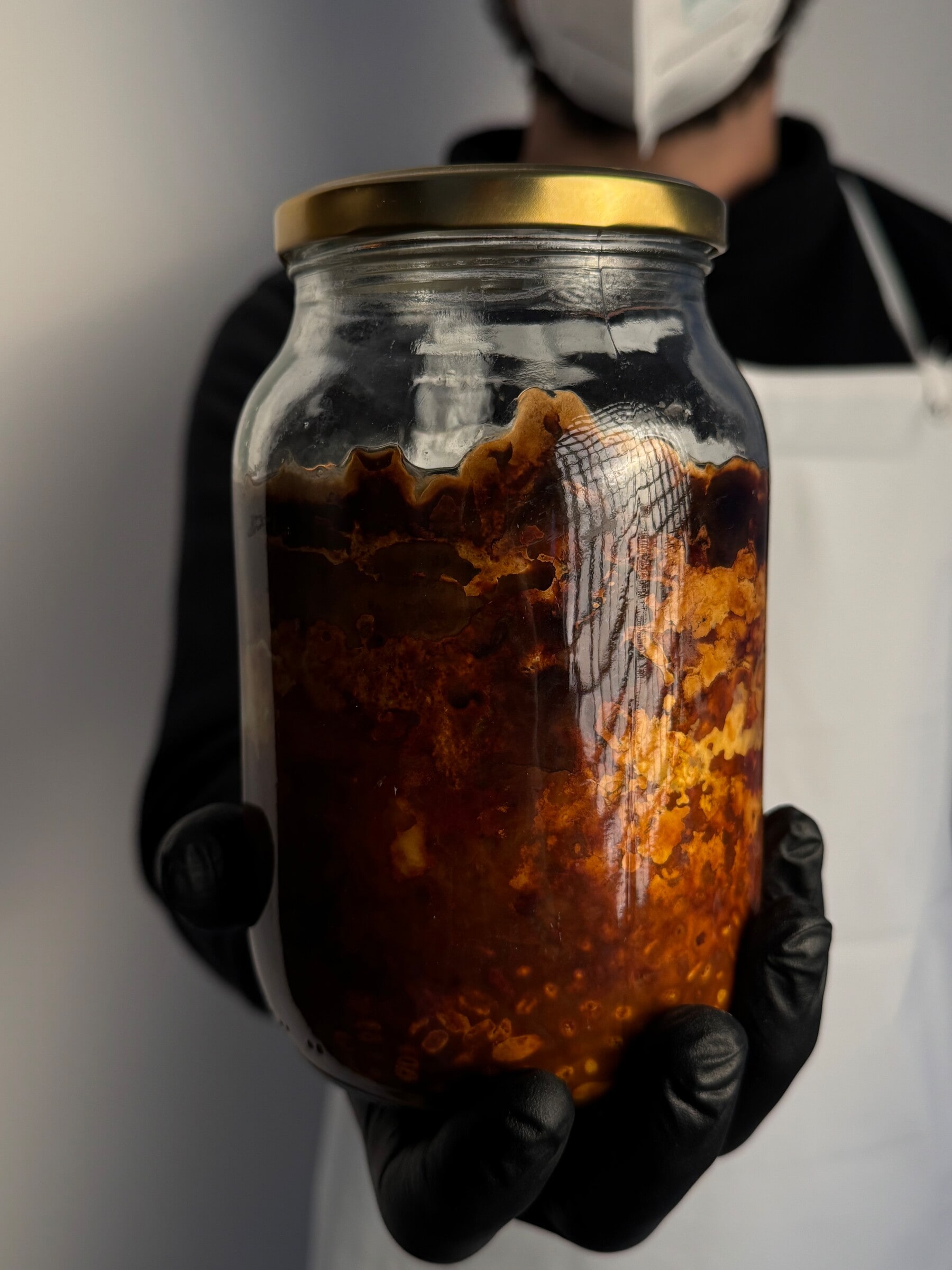
Concentrating extract: rotary evaporator, vacuum, combining fractions
How vacuum lowers the boiling point, what settings makers advise and studies use for mushroom extracts, why water and ethanol fractions are concentrated apart, and what to do with foam.
Extraction
Concentrate control: dry residue, ethanol and marker compounds
How dry residue and residual ethanol are determined, which markers are checked for reishi, lion's mane, cordyceps and tiger milk mushroom, and why "polysaccharides" on a label are not β-glucans.
Extraction
Dual extraction: why water and ethanol, not just a decoction
Which mushroom compounds pass into water and which into ethanol, how maceration, Soxhlet and ultrasound differ, why longer is not always better and why fractions are not mixed at once.
I don't ask you to take my word for it
Instead of adjectives, things you can check: my own photos of the lab, cultivation, cultures and products, plus the legal entity, the trademark and the contacts.
- Own photos of the lab and the farm
- Cultures and products of our own making
- Manufacturer: ТОВ «НВК Міко Тайм» (Ukraine)
- TM GREEBZ
- EDRPOU code 45856079
- Contacts and company details →
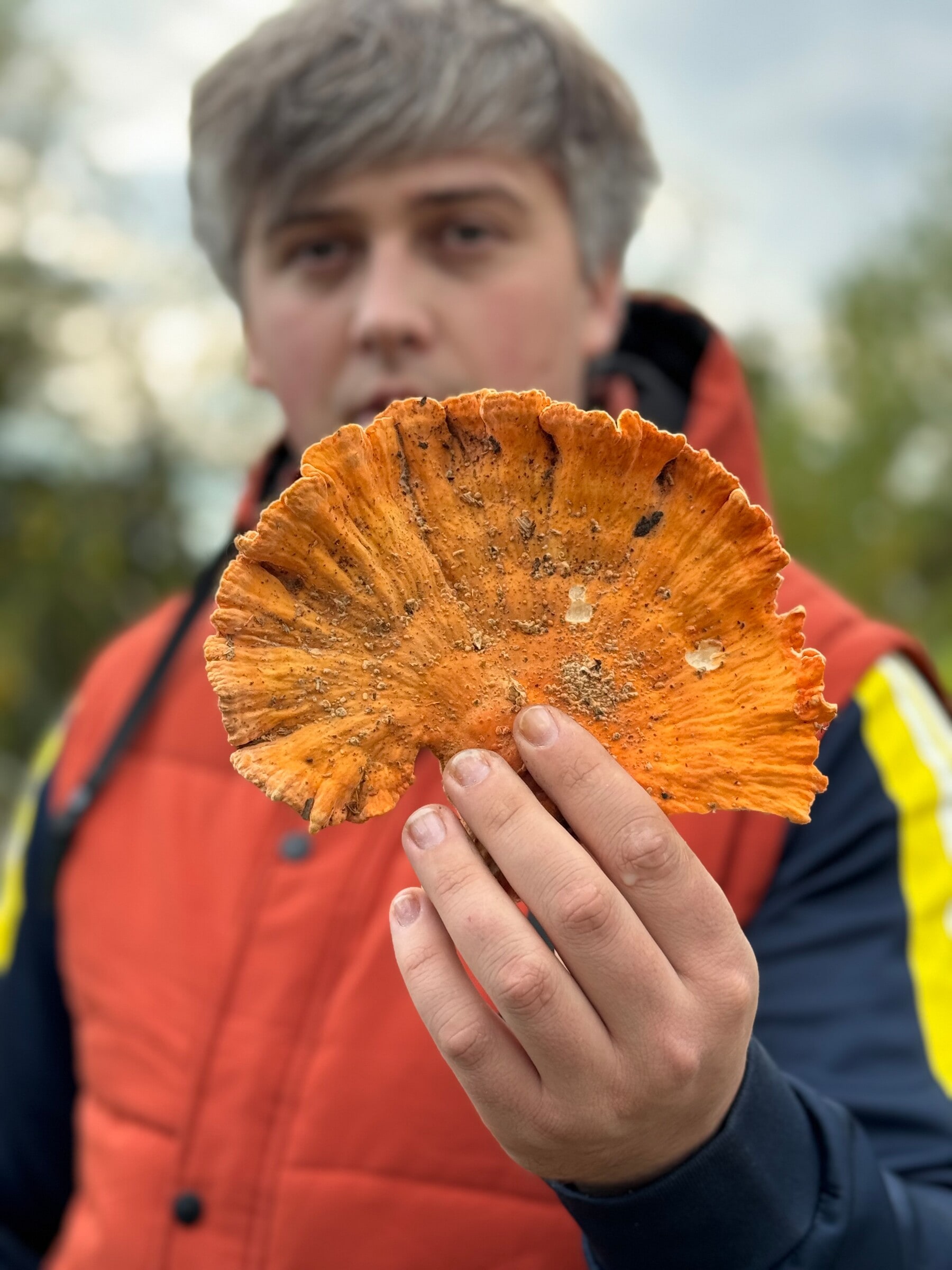
Mushrooms can still surprise me
And that's probably exactly why I'm still doing this.
The more I work with them, the more new questions appear.
So this story is far from over.