Solid-state fermentation on grain: mycelium as the product
What research says about lion's mane mycelium on grain as a product: substrate, conditions, share of mushroom in the powder, erinacine A, drying, quality control and status in the EU, US and Ukraine.
Author: Volodymyr Sobol
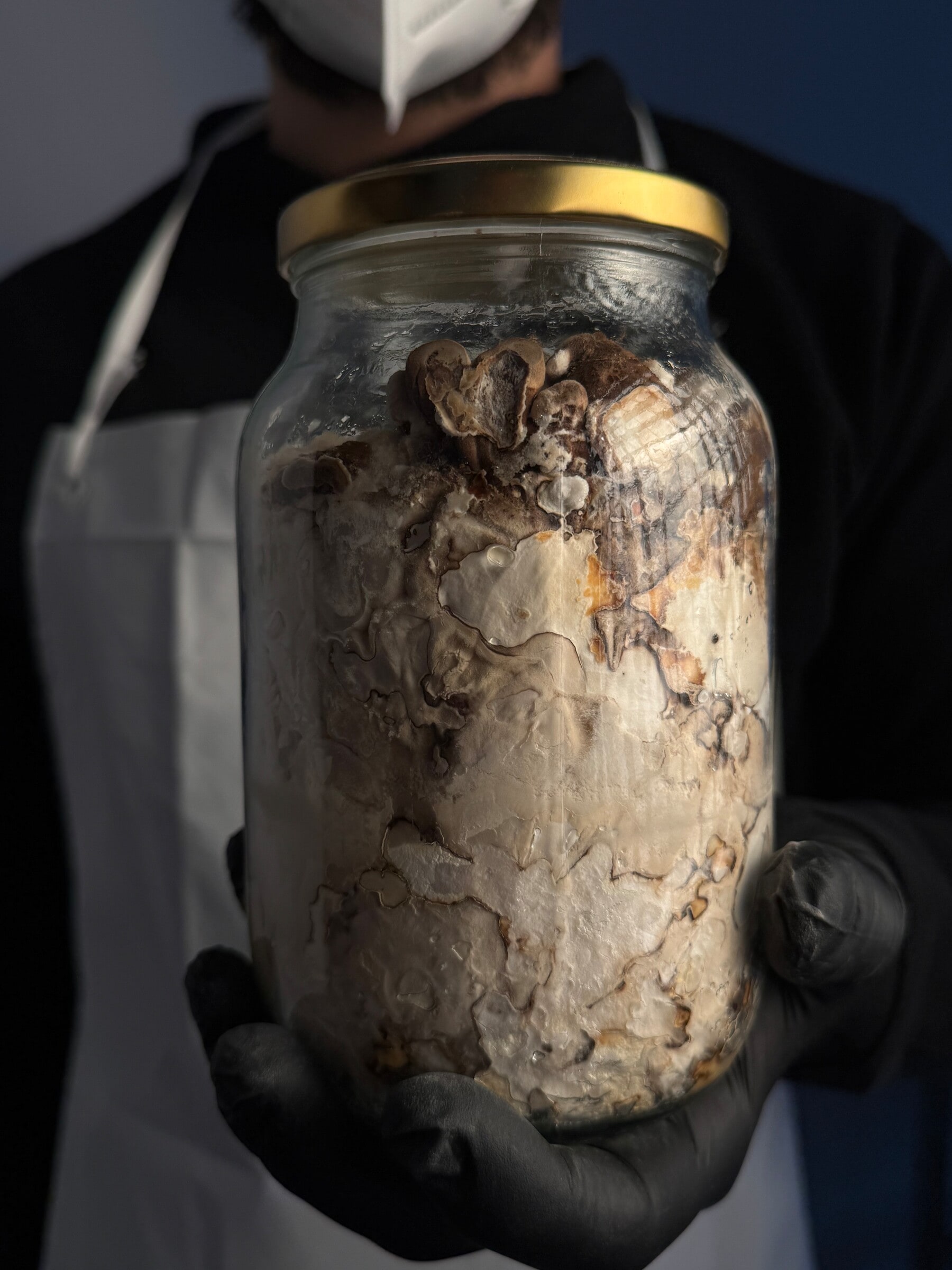
Solid-state fermentation is a separate line of work with mushrooms, not a variety of spawn production. The technique looks the same: sterile grain, a pure culture, a jar or a bag. The goal is different. Spawn is grown in order to transfer the culture into a substrate and obtain fruiting bodies (master spawn is covered in a separate article). In solid-state fermentation, the grain processed by the mycelium is itself the end product: it is dried, ground and used as a raw material for supplements or food products.
Everything else depends on the goal: the choice of grain, additives, duration, the moment to stop, quality parameters and even the wording on the label. This article brings together what is known from scientific publications about solid-state fermentation on grain, above all for lion's mane (Hericium erinaceus): which substrate and which conditions give more biomass and erinacine A, how much of the finished product is actually mushroom, how to dry it and how to test it.
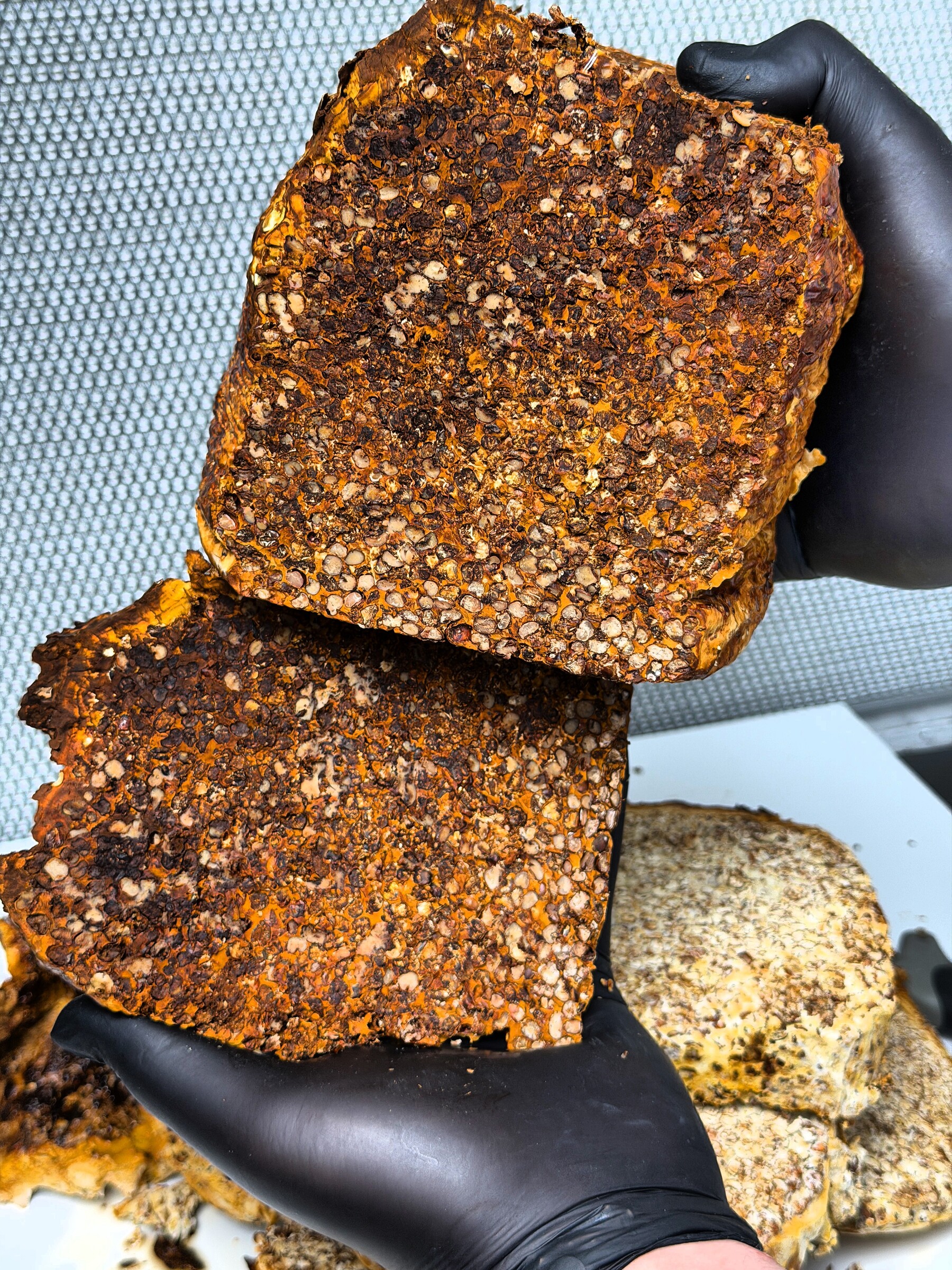
What solid-state fermentation is
Solid-state fermentation is the growth of a microorganism on a solid, moistened substrate in the absence or near-absence of free water (Cerda et al., 2019). There is water, but it is bound within the substrate particles; air remains between the particles. For mycelial fungi these are natural conditions: in the forest a fungus grows in wood, not in liquid.
This is how tempeh, rice koji, enzymes and organic acids are produced. For fungi that form fruiting bodies, the method is used to obtain not a mushroom but grain grown through with mycelium.
| Solid-state fermentation | Submerged culture | Spawn | |
|---|---|---|---|
| Medium | Moistened grain, no free water | Liquid nutrient medium | Moistened grain |
| Product | Grain together with mycelium | Mycelium separated from the liquid, or the liquid itself | Live inoculum |
| When it is stopped | When biomass and target compounds have accumulated | At the end of biomass growth | Immediately after full colonisation |
| What matters | Composition of the finished powder | Biomass yield per litre | Purity and viability |
| Can the fungus be separated from the substrate | No | Yes | Not needed |
The last row of the table defines both the strong and the weak side of the method. The process is simple and cheap: no fermenter, no filtration and no large amounts of water are needed. On the other hand, the product always still contains grain, and its proportion has to be known and stated honestly.
Why this is done with lion's mane
Lion's mane has two groups of characteristic compounds, and they occur in different parts of the fungus: hericenones in the fruiting bodies, erinacines in the mycelium. Corana et al. (2019) measured 760–1560 µg/g of hericenone C and 100–188 µg/g of hericenone D in the fruiting bodies, and found erinacine A only in the mycelium — 105 µg/g; for another Italian strain, 150 µg/g had been obtained earlier (Corana et al., 2019). So mycelium is a separate raw material with its own composition, not a cheaper substitute for the mushroom.
An analysis of raw materials and finished products showed the same thing: materials made from fruiting bodies contained 0.005–1 mg/g of hericenones and hericenes, and no erinacine A was detected; a product made from mycelium contained about 0.2 mg/g of erinacine A; ergosterol in materials of both types was 0.5–2 mg/g (Tang et al., 2026). The authors of this paper are employees of an ingredient supplier.
Solid state versus submerged culture
Erinacine A is obtained in two ways. Most of the published data concern submerged culture.
| Method | Erinacine A | Conditions |
|---|---|---|
| Submerged culture | 192 ± 42 mg/l | day 8 |
| Submerged culture, 100 l | 206 ± 7 mg/l, or 17.34 mg/g of mycelium | day 14 |
| Submerged culture, 20 t fermenter | 5 mg/g of mycelium | 12 days |
| Solid state, corn without additives | 12.53 mg/g of mycelium | 20 days |
| Solid state, corn with zinc sulphate | 165.36 mg/g of mycelium | 20 days |
Sources: data on submerged culture are from the review by Wang et al., 2026; data on the solid state are from Cheng et al., 2021. In Cheng's experiment, submerged culture of the same strain gave 12.85 mg/g, meaning the best solid-state result was 12.9 times higher.
One experiment on one strain is a weak basis for a general conclusion. The figures are given per gram of mycelium, not per gram of product; what this means for a grain powder is shown below, in the section on the proportion of mushroom.
Strain and time
The erinacine A content depends strongly on the strain: in 17 strains of the genus Hericium in submerged culture it ranged from 0.23 to 42.16 mg/g (Liu et al., 2024). The difference between the extreme strains is more than 180-fold.
Time also works differently. In liquid culture at 25 °C, between day 7 and day 14 the erinacine A content rose 4.2-fold in a lion's mane strain and 6.1-fold in a strain of H. coralloides, while in a strain of H. americanum it fell by 85% over the same period; in two more strains it did not change (Smith et al., 2025). So the moment to stop has to be determined by analysis for each strain, not taken from someone else's paper.
Substrate
Which grain
The only direct comparison of grain substrates for lion's mane that measured both biomass and erinacine A is the work of Cheng et al. (2021).
| Substrate | Mycelial biomass, mg per 1 g of substrate | Erinacine A, mg per 1 g of mycelium |
|---|---|---|
| Corn kernels | 63.73 | 12.53 |
| Brown rice | 62.15 | 3.69 |
| Polished rice | 39.12 | 13.43 |
| Job's tears (adlay) | 21.39 | 12.01 |
| Red beans | 23.07 | 6.06 |
Experimental conditions: 50 g of grain and 50 ml of water in a jar, 121 °C for 20 minutes, 25 °C, 20 days. Biomass was determined from ergosterol.
The substrate affects biomass and erinacine differently. Brown rice gave almost as much mycelium as corn, but three times less erinacine A. Polished rice gave less mycelium, but the most erinacine per gram of mycelium. The choice of grain depends on what exactly you need to obtain.
Other substrates on which lion's mane has been studied in the solid state:
| Substrate | Conditions | What was measured | Source |
|---|---|---|---|
| Hulled and unhulled millet (7:2) | 24 °C, jars and a reactor | biomass 100–350 mg/g, erinacine A | Gerbec et al., 2015 |
| Tartary buckwheat | 25 °C, 10 days | α-glucosidase inhibition increased by 50% | Li et al., 2025 |
| Red sorghum | 25 °C, 30 days | mycelial mass gain of 12.28% under blue light versus 6.96% in the dark | Chutimanukul et al., 2025 |
| Jasmine rice | — | protein rose from 6.74 to 11.40 g/100 g | Darmasiwi et al., 2022 |
The composition of Gerbec's substrate is given according to the review by Wang et al. (2026).
Manufacturers in the US name the following substrates on their websites: organic brown rice (Host Defense), organic oats together with the hull (Om Mushroom), organic oats (M2 Ingredients). These are manufacturers' claims, not research results.
The fungus needs starch
Zwinkels et al. (2025) selected the best of eight species of basidiomycetes and used them to ferment brown rice, brewer's spent grain and lupin. Their conclusion: the fungus needs a readily available carbon source such as starch. Without it, the fungus breaks down amino acids, and the protein of the substrate is lost. With a correctly chosen composition, the basidiomycetes fully colonised the substrate, increased the proportion of protein and broke down up to 80% of the phytic acid (Zwinkels et al., 2025).
Particle size
In Cheng's experiment, particles smaller than 2.38 mm gave a better result than whole grain: the surface area for growth is larger. The review by Gerber et al. (2026) gives particles of 2–4 mm for dense mycelial products with oyster mushroom. There is a limit on both sides: a grind that is too fine sticks together, and air passes less easily between the particles.
Moisture
| Source | Substrate moisture |
|---|---|
| Cheng et al., 2021 | 50 g of grain + 50 ml of water |
| Patent application US 2014/0105928 | 45–50% |
| Gerber et al., 2026, for oyster mushroom | 60–65% |
| Xu et al., 2019, Cordyceps militaris on rice | water:rice = 1:1 |
Too much water is as harmful as too little. According to Gerber et al., fungi need a high water activity, approximately 0.95–0.99, but not free water: excess moisture fills the pores between the particles and cuts off the oxygen supply (Gerber et al., 2026). All four sources converge on a range of roughly 45–65%.
Additives
| Additive | Effect | Source |
|---|---|---|
| Zinc sulphate ZnSO₄·7H₂O, 10 mM | erinacine A 165.36 mg/g of mycelium at a biomass of 50.24 mg/g | Cheng et al., 2021 |
| Sodium chloride, 10 mM | erinacine A 120.97 mg/g of mycelium | Cheng et al., 2021 |
| Sodium chloride 0.56% + casein peptone 3.4% | the most erinacine A in the experiment | Gerbec et al., 2015 |
Both papers showed independently that sodium chloride increases the yield of erinacine A. Additives remain in the product, so they have to be accounted for in the composition, and you need to check whether they are permitted for food use.
Inoculation and conditions
Inoculum
In the protocols where the inoculation method is described, the grain is inoculated with liquid culture. The liquid spreads throughout the whole volume, and growth starts from many points at once.
| Source | Spawn rate |
|---|---|
| Cheng et al., 2021 | 1 part liquid culture to 5 parts substrate |
| Patent application US 2014/0105928 | 50–100 ml of diluted liquid culture per 3 kg bag |
| Xu et al., 2019, Cordyceps militaris | 5.5% |
The difference between the first and second rows is several-fold: 20% in a laboratory experiment versus 2–3% in a production protocol. A high rate shortens the process; a low one saves liquid culture and does not overwet the grain. Liquid culture adds water, and this has to be taken into account when calculating the substrate moisture.
Temperature
In the work on lion's mane on grain the temperature is the same: 24–25 °C. The patent application does not state the incubation temperature for the bags: the 21–24 °C (70–75 °F) given there is for the liquid seed culture. What matters is the temperature in the depth of the substrate, not the air in the room: mycelium gives off heat, and inside a large bag it will be warmer than outside.
Duration
| Source | Mushroom and substrate | Duration |
|---|---|---|
| Li et al., 2025 | lion's mane, Tartary buckwheat | 10 days |
| Cheng et al., 2021 | lion's mane, corn and rice | 20 days |
| Chutimanukul et al., 2025 | lion's mane, red sorghum | 30 days |
| Zhuk et al., 2026 | oyster mushroom, wheat and rice | 42 days |
| Weng et al., 2025 | reishi, wheat | 53 days |
| Patent application US 2014/0105928 | rice | 60–120 days |
| Host Defense, manufacturer's claim | brown rice, 17 species of mushroom | from two weeks to two months |
| Om Mushroom, manufacturer's claim | oats | 35–90 days |
The spread from 10 to 120 days is explained by the goal. In an experiment, you stop when the measured parameter has reached its maximum. In the patent application the period is much longer; presumably this gives the fungus time to process most of the grain, but the authors do not explain it in exactly those terms. The patent application and the manufacturers' websites are not peer-reviewed sources: they show how a manufacturer works, not what has been proven.
What changes in the grain over time
For lion's mane there are few data on the course of fermentation over time. For other fungi such data exist and show the direction of change: starch decreases, the proportion of protein rises.
| Mushroom and substrate | Changes | Source |
|---|---|---|
| Oyster mushroom, wheat, 42 days | protein 6.43 → 18.65 g/100 g of dry matter; carbohydrates 90.63 → 77.43; phenolic compounds peaked on day 28 | Zhuk et al., 2026 |
| Reishi, wheat, 53 days | protein content, phenolic compounds and antioxidant activity increased | Weng et al., 2025 |
| Coriolus versicolor, corn grits with soybean meal, 12 days | starch −50.51%; crude protein +69.15% | Huang and Zhang, 2011 |
| Morel, cornmeal | starch 64.5 → 23.5% | Zhang et al., 2010 |
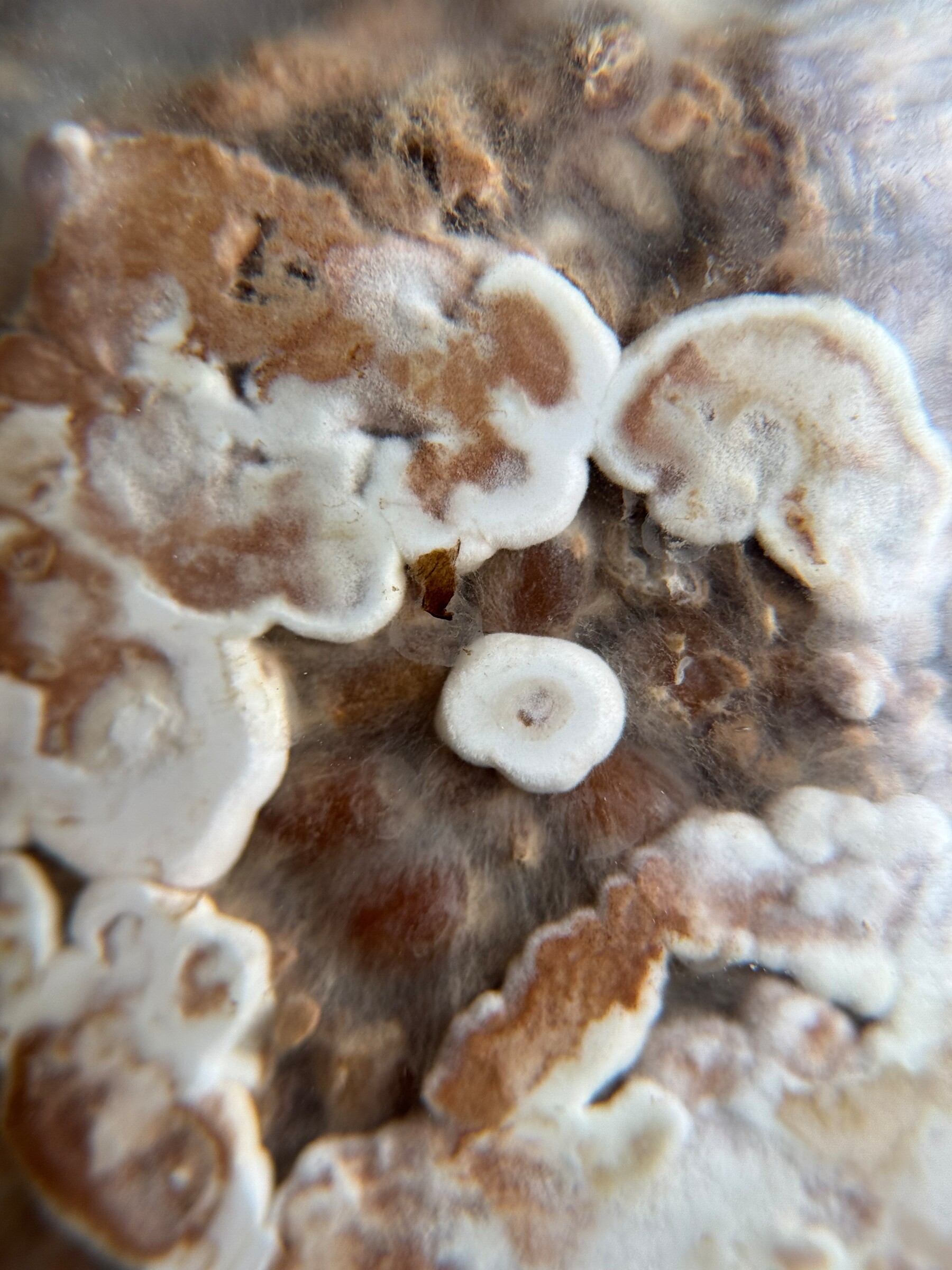
The rise in the proportion of protein should be read with caution. The fungus burns starch to carbon dioxide and water, the dry mass of the batch decreases, and the proportion of protein rises even when its absolute amount has barely changed. This is our own remark, not the authors' conclusion; for a correct comparison, the batch has to be weighed before and after fermentation.
A separate note on beta-glucans. One paper on germinated rice with oyster mushroom reported an increase in beta-glucan from 0.48 to 148.04 mg/g in 9 days (Nacha et al., 2025). A 300-fold increase in nine days is hard to reconcile with the known proportion of biomass in such products, and this figure should be treated with caution.
Equipment and scale
The main obstacle: heat and gas exchange
In a half-litre jar there are no problems with heat. They appear when the substrate layer becomes thick. The fungus respires, and heat generation is directly linked to respiration during growth (Saucedo-Castañeda et al., 1990). Moist grain conducts heat poorly, so the temperature inside the layer rises.
Figures from the literature on moulds:
- according to the estimate cited by Saucedo-Castañeda et al., respiration produces about 80 kcal per hour per kilogram of dry matter;
- in tempeh, the temperature gradient reaches 3 °C per centimetre of layer; in a column with Aspergillus niger on cassava, almost 5 °C per centimetre between the centre and the wall (Saucedo-Castañeda et al., 1990).
Basidiomycetes grow several times more slowly than moulds, so they give off less heat per hour. But the optimum for lion's mane is lower, about 25 °C, and the margin before overheating is smaller. This is our own reasoning: we could not find measurements of heat generation for lion's mane on grain. The practical conclusion is simple: in a large bag, the thermometer should be in the centre of the substrate, not in the room.
Types of equipment
| Type | Typical figures | Advantages | Disadvantages |
|---|---|---|---|
| Jars and filter bags | bags of 2–3 kg | each unit is sterile, contamination does not spread | manual labour, passive gas exchange |
| Trays | a layer of 0.2–3 cm in experiments; in one of them the layer temperature exceeded the 25 °C optimum by more than 10 °C | simplicity | heat is removed only by conduction, a lot of manual labour |
| Fixed-bed column with forced air | the bed can be more than 20 °C warmer than the inlet air | forced aeration | compaction, channels in the bed, temperature gradient along the height |
| Rotating drum | working volume about 30% | better heat and gas exchange | mixing can damage the mycelium |
| Horizontal stirred reactor | 24 °C, air 5 l/min, periodic mixing at 80 rpm | in the lion's mane experiment, biomass up to 350 mg/g versus 100 mg/g in jars | complex equipment, the whole volume has to be sterile at once |
Sources: the review by Arora et al., 2018 for trays, columns and drums; Gerbec et al., 2015 for the stirred reactor. The advantages and disadvantages of bags and the last cell on the reactor are our own generalisation.
Gerbec's result is the most interesting one for a practitioner. In a reactor with air supply and mixing, lion's mane accumulated three times more biomass than in jars with the same substrate. Presumably, the limiting factor in the jar was gas exchange rather than nutrition; this is our interpretation of the result.
How manufacturers work
Large American producers of mycelium on grain work in bags. According to a description of the 155,000-square-foot M2 Ingredients plant, the oats are moistened and fed into a special bag, which is sealed after sterilisation and inoculation; the autoclave is heated with steam, and loading, cutting, drying and grinding are automated (Food Engineering, 2024). Our assumption: the bag wins not on heat exchange but on sterility — over several weeks, a slow basidiomycete cannot hold out against competition from mould if mould gets into an open layer.
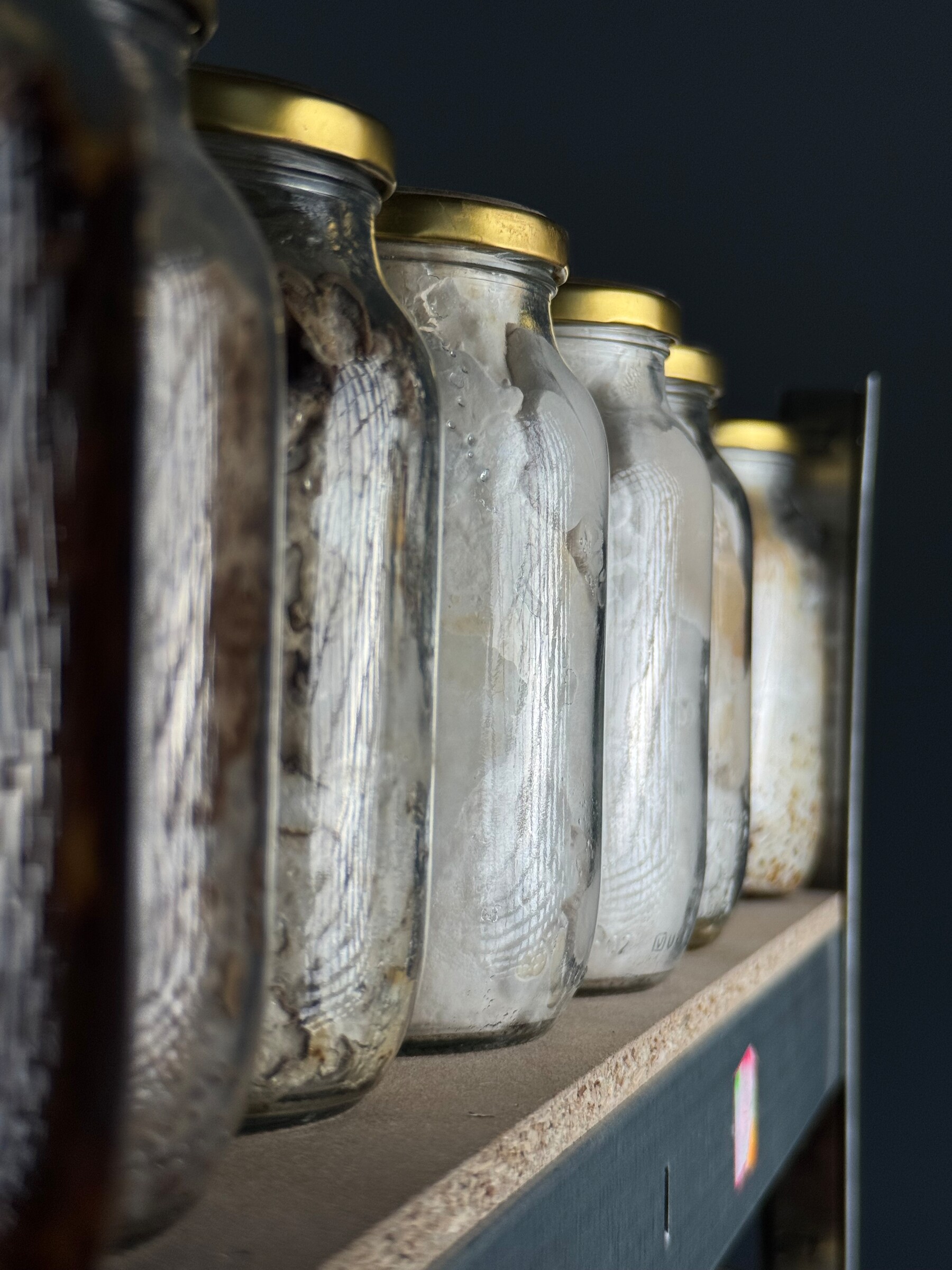
How much of the product is mushroom
This is the main question for any solid-state fermentation product. The fungus does not consume the grain completely, and it is impossible to separate the mycelium from the remaining grain.
| Source | Conditions | Proportion of mycelium in the substrate |
|---|---|---|
| Cheng et al., 2021 | jars, 20 days, different grains | 2–6% |
| Gerbec et al., 2015 | jars, millet | about 10% |
| Gerbec et al., 2015 | reactor with aeration and mixing | up to 35% |
The rest of the mass is starch and other grain components.
Per gram of product
Erinacine figures in papers are given per gram of mycelium. The buyer gets a gram of product in which mycelium makes up a few percent.
| Option | Erinacine A per 1 g of mycelium | Biomass per 1 g of substrate | Erinacine A per 1 g of substrate |
|---|---|---|---|
| Corn with zinc sulphate | 165.36 mg | 50.24 mg | about 8.3 mg |
| Corn without additives | 12.53 mg | 63.73 mg | about 0.8 mg |
| Polished rice | 13.43 mg | 39.12 mg | about 0.5 mg |
| Brown rice | 3.69 mg | 62.15 mg | about 0.2 mg |
The first two columns are data from Cheng et al. (2021). The last column is our own calculation: the product of the first two. For corn without additives, the authors give the same figure — 0.798 mg per gram of substrate; the other figures are not in the paper.
Real commercial products are closer to the bottom of the table. Tang et al. (2026) found about 0.2 mg/g of erinacine A in a mycelium product, and Hsu et al. (2023) found 30 µg/g, that is 0.03 mg/g, in industrial solid-state mycelium (Hsu et al., 2023). For comparison: preclinical animal studies used mycelium with 5–19 mg/g of erinacine A (Spangenberg et al., 2025).
The gap between the laboratory maximum and the shop shelf is tens to hundreds of times. This is exactly where the technologist has room to work: strain, substrate, additives, aeration and the moment to stop.
Stopping, drying, grinding
After fermentation, the material has to be stopped, dried and ground. Live mycelium keeps respiring and changing its composition, so there should be no pause between the end of incubation and drying.
Published protocols
| Source | Drying | Grinding |
|---|---|---|
| Patent application US 2014/0105928 | freeze-drying, then heating at 75 °C for 24 hours | 20–80 mesh (180–850 µm) |
| Hsu et al., 2023 | 60 °C in a tray dryer | 100 mesh, then jet milling to a D75 below 50 µm |
| Om Mushroom, manufacturer's claim | "at low temperatures", no figures | grinding after drying |
The heating after freeze-drying in the patent application has a clear purpose: freeze-drying does not kill the mycelium and microflora, while heating inactivates them. This is our explanation; the application does not say so directly.
Drying temperature and composition
There are no direct data for lion's mane mycelium on grain. There are two closely related sources.
- Lion's mane fruiting bodies. Drying at 70 °C reduced the ergosterol content by about 50%, and total phenolic compounds by 17%, compared with fresh mushrooms (Gąsecka et al., 2019).
- Wheat fermented with reishi. Freeze-drying, vacuum drying and hot-air drying preserved adenosine, polysaccharides and triterpenoids better than microwave drying; on the overall set of parameters, the authors recommend vacuum drying (Li et al., 2023).
We could not find studies on the stability of erinacine A to heating, drying or storage. A safe regime for your own product will have to be established by analysis: one batch, two or three drying regimes, and a measurement of erinacine A in each sample.
Grinding and storage
Fine grinding increases the surface area of the particles, and the powder absorbs moisture from the air faster. The finished powder is stored in airtight containers in a dry, dark place. This is general practice for dry food powders, not the result of a study of this particular product.
Quality control
A solid-state fermentation product is tested as a food raw material. Three questions: how much mushroom it contains, how much of the target compounds, and whether it is safe.
| Parameter | What it shows | Method or benchmark |
|---|---|---|
| Ergosterol | how much fungal biomass the product contains | chromatography; 0.5–2 mg/g in lion's mane raw materials and products |
| Beta-glucans | fungal polysaccharides | McCleary and Draga method |
| Alpha-glucans (starch) | how much grain is left | the same method |
| Erinacine A | target compound of the mycelium | chromatography |
| Microbiological parameters | safety | USP limits given in the AHPA table |
| Heavy metals, aflatoxins | what has carried over from the grain | buyer's specification or regulatory standard |
| Powder moisture | stability during storage | buyer's specification |
Ergosterol
Ergosterol is a sterol of the fungal membrane that is absent from grain. Steudler and Bley (2015) compared 11 methods of determining biomass in solid-state fermentation and named three as the most reliable: ergosterol, nuclei counting and respiration (Steudler, Bley, 2015). It was from ergosterol that Cheng et al. calculated biomass.
To convert ergosterol into a percentage of mycelium, you need a coefficient for your own strain: the ergosterol content of pure mycelium grown in a liquid medium. Without it, ergosterol is only good for comparing batches with one another.
Beta-glucans and starch
For a grain product, the total polysaccharide content tells you nothing: grain starch is a polysaccharide too. The McCleary and Draga method separates them: beta-glucan is calculated as the difference between total glucan and alpha-glucan (McCleary, Draga, 2016). An analysis must include both figures.
The following data are given for comparison: mushrooms contain on average 35% beta-glucans and no starch, only a little glycogen; mycelium on grain contains on average 6% beta-glucans and 30–60% alpha-glucans, mainly starch (Nammex). Nammex sells fruiting-body extracts and is a competitor of producers of mycelium on grain; this is not a peer-reviewed study. We could not find other, independent comparisons of beta-glucans and starch for lion's mane products.
There is a peer-reviewed analogy for reishi: of 19 supplements on the US market, the composition of only 5 matched the label, and 13 contained starch-like polysaccharides that are absent from the reishi fruiting body (Wu et al., 2017).
Microbiological parameters
| Parameter | Ground raw material | Powdered extracts |
|---|---|---|
| Total aerobic microbial count | 10⁵ CFU/g | 10⁴ CFU/g |
| Yeasts and moulds | 10³ CFU/g | 10³ CFU/g |
| Escherichia coli | absent in 10 g | absent in 10 g |
| Salmonella | absent in 10 g | absent in 10 g |
Source: United States Pharmacopeia (USP) limits from the AHPA comparison table; AHPA itself requires the absence of Salmonella in 25 g for powdered extracts. These are American benchmarks for dietary supplement raw materials. For sale in Ukraine or the EU, their own standards apply, and these have to be checked separately.
Heavy metals and mycotoxins
Grain makes up most of the product's mass, so everything that was in the grain will remain in the powder, and after drying the concentration will be higher. An example of a specification from a lion's mane powder supplier (Artemis Nutraceuticals):
| Parameter | Limit |
|---|---|
| Lead | below 0.5 mg/kg |
| Arsenic | below 1.5 mg/kg |
| Cadmium | below 0.5 mg/kg |
| Total aflatoxins | no more than 4 µg/kg |
| Aflatoxin B1 | no more than 2 µg/kg |
These are the requirements of one supplier, not a regulatory standard.
There is evidence that edible fungi break down aflatoxin B1 during solid-state fermentation: Ganoderma sinense reduced its content in corn by 92.91% (Lou et al., 2023). We could not find such data for lion's mane. Nor could we find studies on how much of the heavy metals and mycotoxins passes from the grain into the finished mycelium-on-grain product. It is not worth counting on purification: the grain has to be tested before inoculation, as described in the article on choosing a grain supplier.
Labelling and regulatory status
Regulators distinguish between the fruiting body and the mycelium. For a solid-state fermentation product, this determines both the wording on the label and whether it can be sold at all. Below is what we were able to find in open sources; this is not legal advice, and before entering the market the status has to be checked against the original documents.
European Union
| Product | Status | Source |
|---|---|---|
| Dried mycelium powder of Hericium erinaceus | considered a novel food; equivalence to the fruiting body has not been established | AESAN opinion, Spain, 29.10.2019 |
| Fruiting body extract powder of Hericium erinaceus | not a novel food | consultation by the Finnish Food Authority, 28.02.2025 |
| Mycelium powders of eight other mushroom species | also recognised as novel | Molitorisová and Monaco, University of Bayreuth |
| Pea and rice protein fermented with shiitake mycelium | authorised novel food; exclusive right of the applicant for five years from 24.01.2023 | Regulation (EU) 2023/6 |
For the European market the conclusion is strict: lion's mane mycelium powder cannot be sold as a food or a food supplement without a separate authorisation. According to a secondary source, as of March 2025 it is marked in the EU Novel Food Catalogue as an unauthorised novel food, including in supplements (review). The shiitake example shows that authorisation can be obtained, but it is a separate procedure with a safety dossier.
United States
In the US, mycelium on grain is sold freely, and the dispute is about the label.
- FDA guidance CPG 585.525 requires a mycelium product to be labelled specifically as mycelium and not to create the impression that it is mushrooms.
- AHPA recommends the name "mycelial biomass" and requires the substrate to be listed among the other ingredients (guidance).
- In 2023, Nammex submitted a petition to the FDA calling for the label to state which part of the fungus the product is made from. In a letter dated 30 November, the FDA said that it had not reached a decision within the first 180 days because of other priorities (SupplySide). We could not find a final decision.
Ukraine
Law No. 4122-IX permits only substances from the approved lists in dietary supplements and requires the State Service of Ukraine on Food Safety and Consumer Protection to be notified when a supplement is first placed on the market (Apteka). Ministry of Health Order No. 203 of 19.02.2026 supplemented the Hygienic Requirements for Dietary Supplements (Order No. 1114) with Annex 3 — a list of plants and fungi with a "parts used" column (current version).
Lion's mane (Hericium erinaceus) is on this list, but the only permitted part is the fruiting body. The list permits mycelium for only two species: Chinese cordyceps (Ophiocordyceps sinensis) and Samsoniella hepiali. So lion's mane mycelium-on-grain powder is not provided for by this list as an ingredient of a dietary supplement. Before producing such a supplement for the Ukrainian market, this has to be clarified with a lawyer.
What to put on the label
Whatever the country, the principle is the same: if the jar contains grain with mycelium, the label must say grain with mycelium. The Latin name of the mushroom, the word "mycelium", the type of grain in the ingredients, and, from actual analyses, the content of beta-glucans and erinacine A.
Step by step
- Define the goal of the batch: biomass, erinacine A or beta-glucans. The substrate, additives and duration depend on it.
- Establish the regulatory status of mycelium in the market where the product will be sold.
- Choose grain with documents and analyses for heavy metals and mycotoxins: it will become part of the product.
- Prepare the substrate: grind it (in Cheng's experiment, particles smaller than 2.38 mm worked best), bring the moisture to the chosen value within 45–65%, and add additives if they are planned.
- Sterilise and cool to room temperature.
- Inoculate with a tested liquid culture, taking its volume into account in the substrate moisture.
- Incubate at 24–25 °C, measuring the temperature in the centre of the substrate.
- Determine the moment to stop for your strain: take samples at several time points and measure ergosterol and the target compound.
- Check before drying: appearance, smell, plating to check purity.
- Dry and grind without a pause after stopping, and record the drying regime; weigh the batch before and after.
- Send the powder for analysis: ergosterol, beta- and alpha-glucans, erinacine A, microbiology, heavy metals, aflatoxins.
- On the label, state that it is mycelium on grain, name the grain and give the actual analysis figures.
Sources
Lion's mane: solid-state fermentation and erinacines
- Cheng P.-Y. et al. (2021). Enhanced Erinacine A Production by Hericium erinaceus Using Solid-State Cultivation. Fermentation, 7(3), 182.
- Gerbec B. et al. (2015). Solid State Cultivation of Hericium erinaceus Biomass and Erinacine A Production. Journal of Bioprocessing & Biotechniques, 5, 210.
- Hsu C.-C. et al. (2023). Antioxidative Activities of Micronized Solid-State Cultivated Hericium erinaceus Rich in Erinacine A against MPTP-Induced Damages. Molecules, 28(8), 3386.
- Corana F. et al. (2019). Array of Metabolites in Italian Hericium erinaceus Mycelium, Primordium, and Sporophore. Molecules, 24(19), 3511.
- Tang Y. et al. (2026). Simultaneous UHPLC-UV Determination of Hericenones, Hericenes, Erinacines and Ergosterol in Hericium erinaceus Raw Materials or Products. Molecules, 31(3), 569.
- Wang J. et al. (2026). Recent Advances in Erinacine A: Preparation, Biological Activities, and Biosynthetic Pathway. Molecules, 31(2), 219.
- Liu M. et al. (2024). Isolation and Evaluation of Erinacine A Contents in Mycelia of Hericium erinaceus Strains. Foods, 13(11), 1649.
- Smith et al. (2025). Polysorbate 80 Differentially Impacts Erinacine Production Profiles in Submerged Cultures of Hericium. Molecules, 30(13), 2823.
- Spangenberg et al. (2025). Unveiling the role of erinacines in the neuroprotective effects of Hericium erinaceus: a systematic review in preclinical models. Frontiers in Pharmacology, 16, 1582081.
- Li et al. (2025). Alterations in Functional Constituents and Bioactivities of Tartary Buckwheat via Solid-State Fermentation with Three Edible-Medicinal Fungi. Foods, 14(24), 4187.
- Chutimanukul et al. (2025). LED light spectra influence the stimulation of mycelial growth and anticancer activity in Hericium erinaceus mycelium. Frontiers in Fungal Biology, 6, 1684852.
- Darmasiwi S. et al. (2022). Evaluation of the nutritional value, mycochemicals, and antioxidant activities of Hericium erinaceus cultivated using jasmine rice. Asian Journal of Agriculture and Biology.
- Stamets P. US patent application US 2014/0105928.
Other fungi on grain
- Zwinkels J. et al. (2025). The potential of mycelium from mushroom-producing fungi in alternative protein production: a focus on fungal growth, metabolism, and nutrition. Current Research in Food Science, 12, 101278.
- Zhuk et al. (2026). Changes in nutritional composition and bioactivity of fermented cereals under Pleurotus ostreatus solid-state fermentation. Frontiers in Nutrition, 13, 1919003.
- Weng et al. (2025). Solid-state fermentation with Ganoderma lucidum improves nutritional quality and processing characteristics of wheat. LWT, 217, 117437.
- Li Y. et al. (2023). Effects of drying methods on bioactive components of Ganoderma lucidum fermented whole wheat in products & in vitro digestive model. Food Research International, 168, 112641.
- Huang et al. (2011). Starch degradation and nutrition value improvement in corn grits by solid state fermentation technique with Coriolus versicolor. Brazilian Journal of Microbiology, 42, 1343–1348.
- Zhang et al. (2010). Solid-state fermentation of cornmeal with the ascomycete Morchella esculenta for degrading starch and upgrading nutritional value. World Journal of Microbiology and Biotechnology, 26, 15–20.
- Xu et al. (2019). Optimization of Polysaccharide Production from Cordyceps militaris by Solid-State Fermentation on Rice and Its Antioxidant Activities. Foods, 8(11), 590.
- Nacha et al. (2025). Solid-State Fermentation of Riceberry Rice with Mushroom Mycelium for Enhanced Beta-Glucan Production and Health Applications. Molecules, 30(19), 3879.
- Wu et al. (2017). Evaluation on quality consistency of Ganoderma lucidum dietary supplements collected in the United States. Scientific Reports, 7, 7792.
Process and equipment
- Cerda A. et al. (2019). Innovative Production of Bioproducts From Organic Waste Through Solid-State Fermentation. Frontiers in Sustainable Food Systems, 3, 63.
- Gerber et al. (2026). Advancing solid-state fermentation with culinary fungi for nutrient-dense, minimally processed, whole-foods and resilient food systems. Frontiers in Nutrition, 13, 1798618.
- Arora S., Rani R., Ghosh S. (2018). Bioreactors in solid state fermentation technology: Design, applications and engineering aspects. Journal of Biotechnology, 269, 16–34.
- Saucedo-Castañeda G. et al. (1990). Heat transfer simulation in solid substrate fermentation. Biotechnology and Bioengineering, 35, 802–808.
- Food Engineering, 2024. Case study: M2 Ingredients.
- Host Defense. Growing mycelium. Manufacturer's website.
- Om Mushroom. Our growth process. Manufacturer's website.
Quality control
- Steudler S., Bley T. (2015). Biomass estimation during macro-scale solid-state fermentation of basidiomycetes using established and novel approaches. Bioprocess and Biosystems Engineering, 38(7), 1313–1323.
- McCleary B. V., Draga A. (2016). Measurement of β-Glucan in Mushrooms and Mycelial Products. Journal of AOAC International, 99(2), 364–373.
- Nammex. Full Spectrum: Truth or Marketing Hype? Not a peer-reviewed source.
- AHPA. Recommended Microbial Limits for Botanical Ingredients.
- Artemis Nutraceuticals. Lion's mane powder specification.
- Lou H. et al. (2023). Edible fungi efficiently degrade aflatoxin B1 in cereals and improve their nutritional composition by solid-state fermentation. Journal of Hazardous Materials, 451, 131139.
- Gąsecka M. et al. (2019). The effect of drying temperature on bioactive compounds and antioxidant activity of Leccinum scabrum and Hericium erinaceus. Journal of Food Science and Technology, 57(2), 513–525.
Regulation
- AESAN, 2019. Hericium erinaceus dehydrated mycelium powder: novel food status.
- European Commission. Consultation process on novel food status.
- Molitorisová A., Monaco A. An analysis of the regulatory framework applicable to products obtained from mushroom and mycelium. University of Bayreuth.
- Regulation (EU) 2023/6.
- Rosa Pharma. Novel food Europe: updates summary from March 2025.
- FDA. CPG Sec. 585.525: Mushroom Mycelium — Fitness for Food; Labeling.
- AHPA. Guidance on labeling of fungi ingredients.
- SupplySide. FDA declines to act on Nammex mushroom labeling petition.
- Apteka. Регулювання дієтичних добавок в Україні та ЄС [Regulation of dietary supplements in Ukraine and the EU].
- Order of the Ministry of Health of Ukraine No. 1114 of 19.12.2013 "Про затвердження Гігієнічних вимог до дієтичних добавок" [On approval of the Hygienic Requirements for Dietary Supplements], current version with Annex 3.
Materials for growing

GREEBZ functional mushroom extract set
A gift set of three GREEBZ functional mushroom liquid extracts in a branded box. The set includes extracts of lion's mane, Cordyceps militaris and reishi. What's in the set - Lion's mane — liquid extract - Cordyceps militaris — liquid extract - Reishi — liquid extract
Made by us
On request
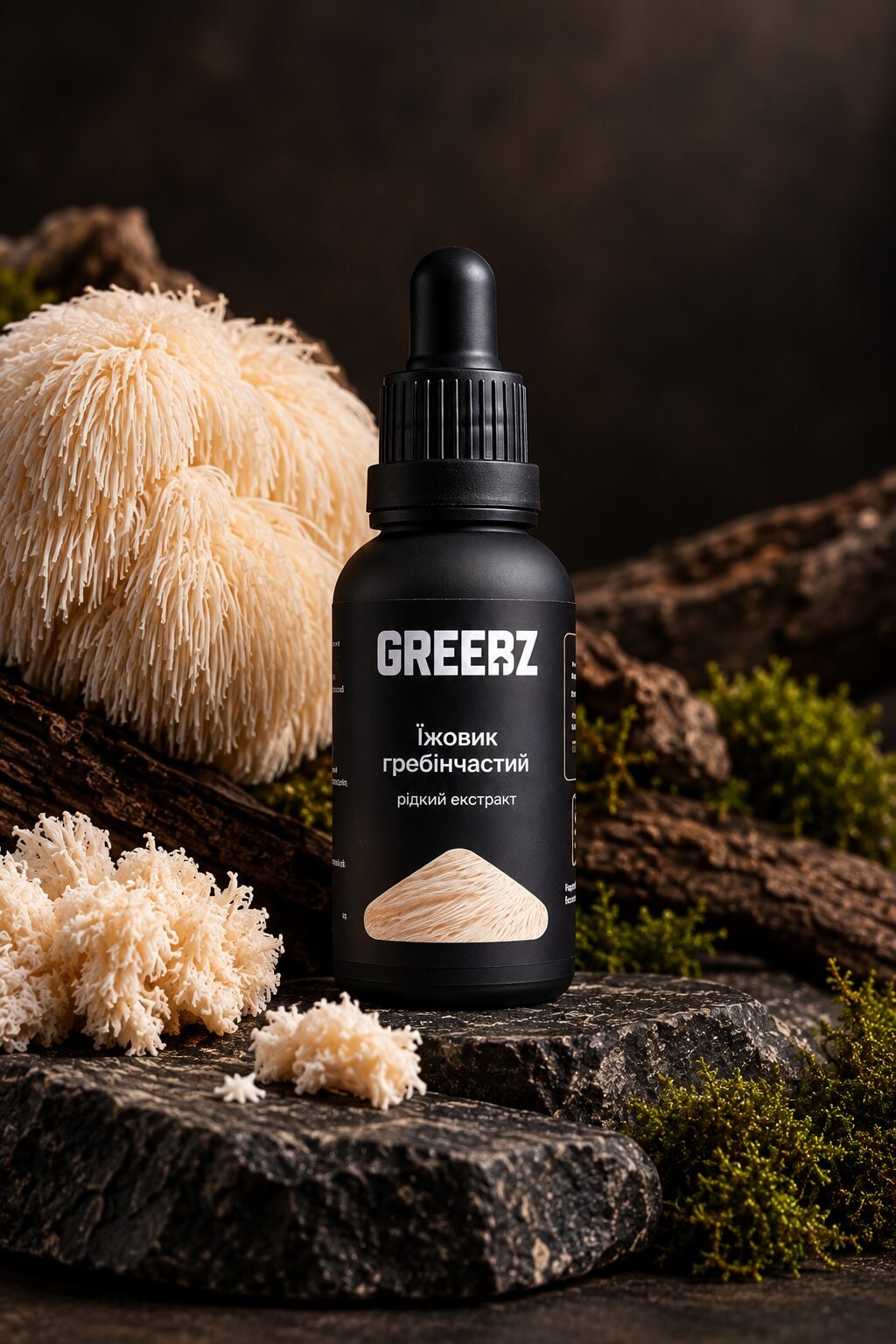
Lion's mane — GREEBZ liquid extract
A 30% liquid extract of lion's mane (Hericium erinaceus) from GREEBZ's own production. We use controlled mushroom raw material from our own production. Extraction is carried out in a Soxhlet apparatus, followed by vacuum concentration. Hericium erinaceus is studied as a source of various groups of fungal compounds. Whether specific compounds are present in the finished product, and in what amounts, requires separate laboratory analysis. Specifications - Species: Hericium erinaceus - Concentration: 30% - Method: Soxhlet extraction followed by vacuum concentration - Format: liquid extract in a dropper bottle - Volume: 30 ml - Producer: GREEBZ
Made by us
On request
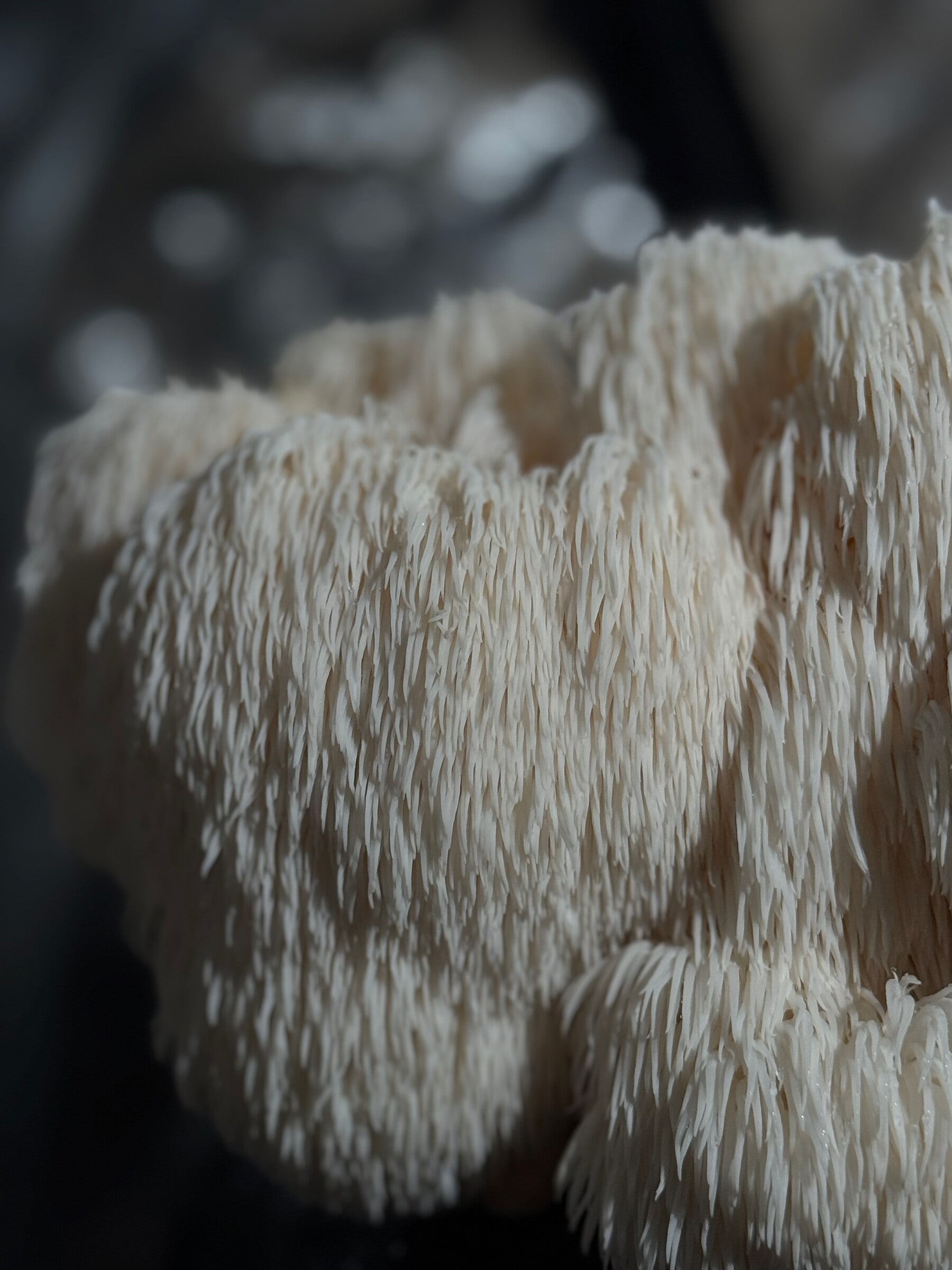
Fresh lion's mane
Fresh lion's mane (Hericium erinaceus) fruiting bodies grown by GREEBZ. Fresh lion's mane grown under controlled conditions in GREEBZ's own production. The product is supplied fresh after harvest. Specifications - Format: fresh fruiting bodies - Unit of sale: 1 kg - Producer: GREEBZ
Made by us
On request
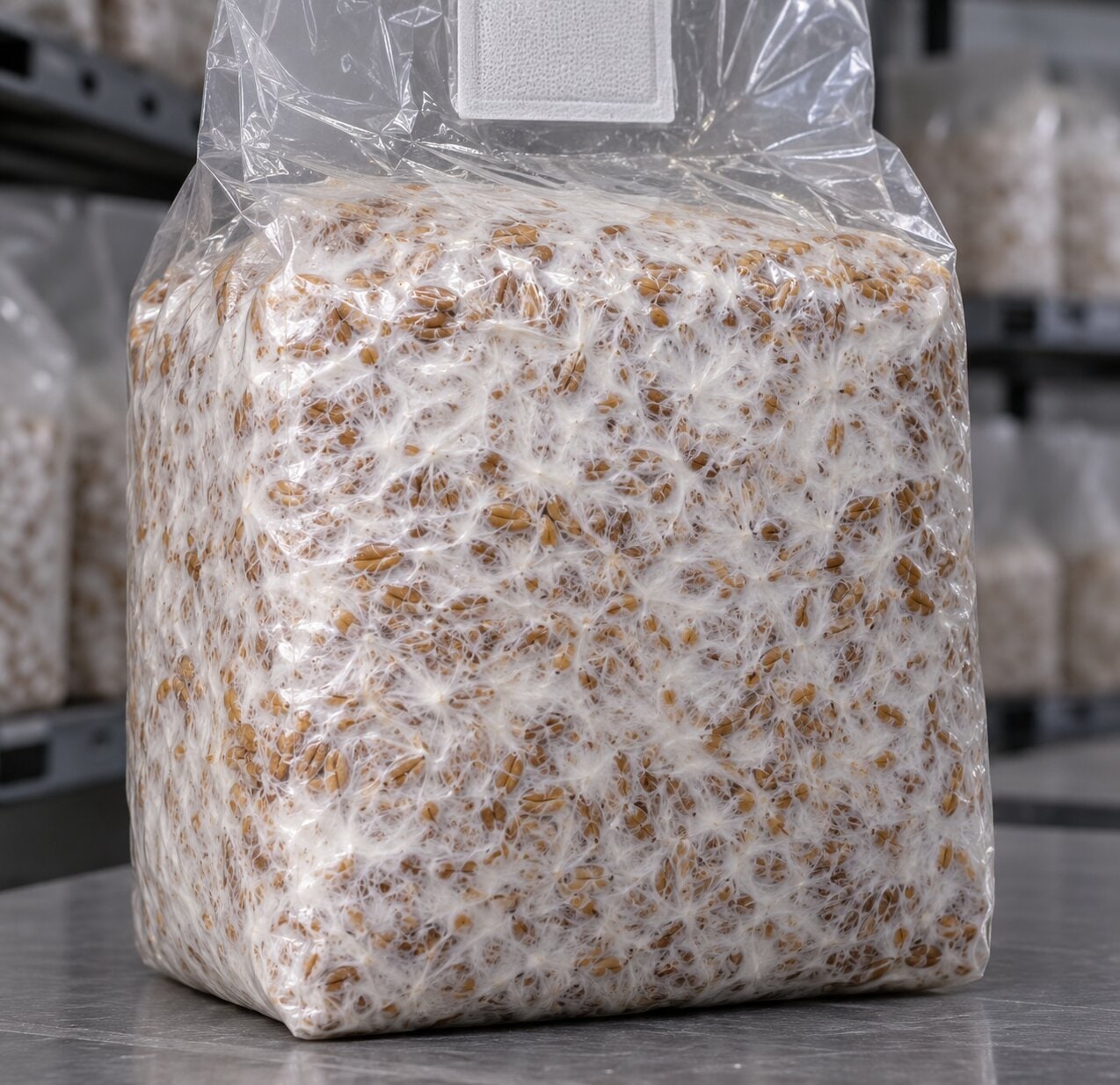
Master grain spawn — 5 kg bag
GREEBZ master grain spawn of the chosen culture. A pure culture on sterile grain substrate. Available in a choice of cultures — list the ones you need in your request. Master spawn is intended for further propagation and the production of production spawn. Grown from a pure culture under sterile laboratory conditions. Specifications - Format: grain spawn in a filter bag (grow bag), 5 kg - Substrate: sterile grain - Producer: GREEBZ
Made by us
On request
Other entries
Need help with your process?
Describe what's happening, even if you don't know the cause. We'll work it out together.