Drying mushrooms: temperature, moisture and checks after drying
How much water dried mushrooms may hold under Codex, why water activity matters, how temperature affects colour, aroma and composition, and what is special about shiitake, cordyceps and reishi.
Author: Volodymyr Sobol
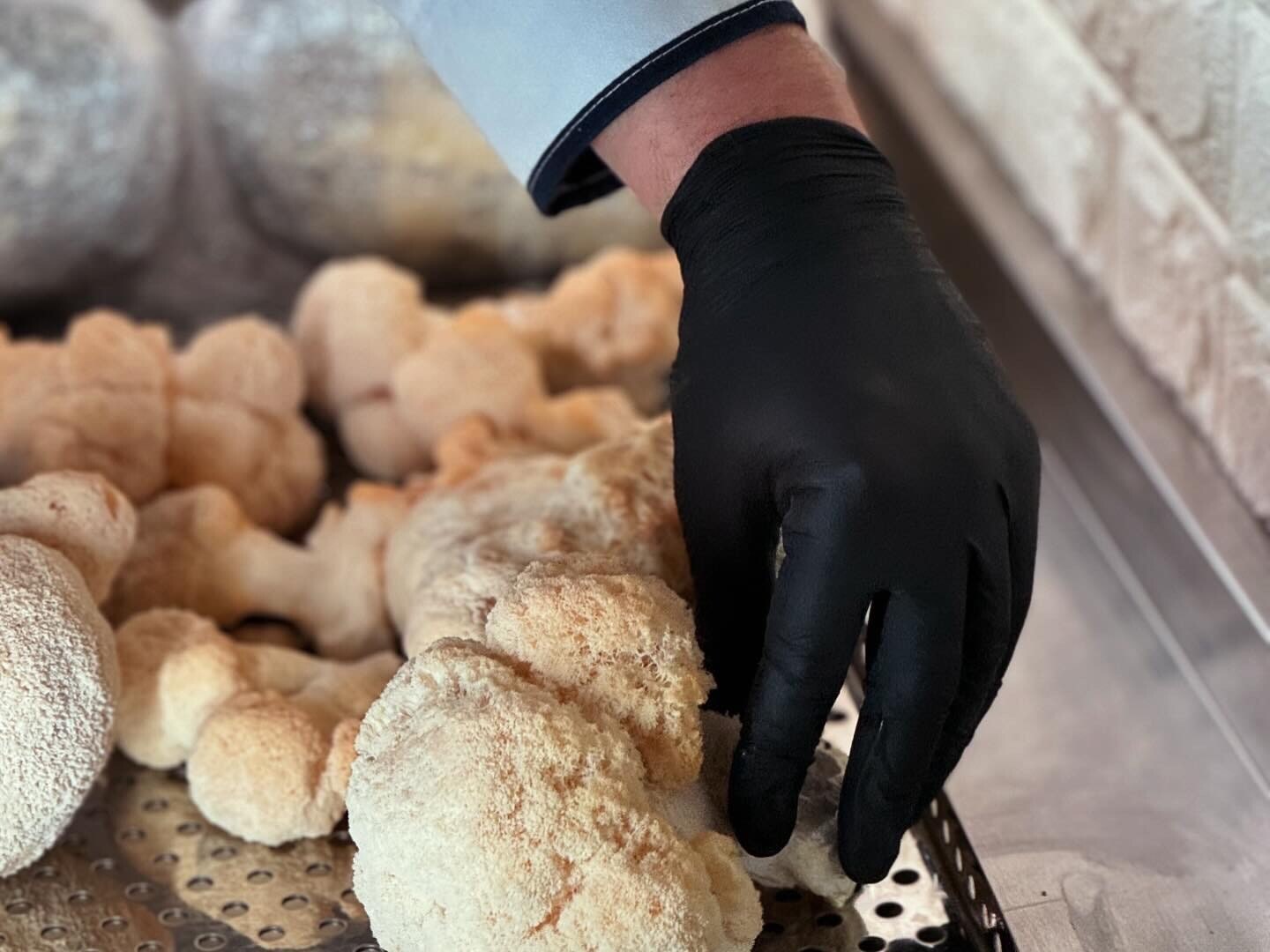
A fresh mushroom is above all water. A 2024 review of mushroom drying methods gives the moisture content of fresh material as about 90%, and of dried material as 7–8%. While a mushroom holds that much water, it lives a life of its own: it respires, darkens, loses its aroma and spoils quickly. Drying stops these processes and makes the raw material stable — it can be stored, milled and extracted.
We dry the harvest using temperature regimes chosen to suit the raw material. After drying, we check the moisture content, appearance and smell, and look for mould. Depending on the species, some of the mushrooms stay as whole dried mushrooms, and the rest go on to milling and extraction.
This article covers how much water may remain in dried mushrooms under the international standard, why not only moisture content but also water activity matters, how drying temperature affects colour, aroma and composition, what is special about shiitake, cordyceps and reishi, and how raw material is checked after drying.
How much water may remain
The international food standard Codex Alimentarius for dried edible fungi (CXS 39-1981) and the general standard for fungus products (CXS 38-1981) set moisture limits:
| Product | Water, no more than |
|---|---|
| Freeze-dried mushrooms | 6% |
| Dried mushrooms (other than freeze-dried) | 12% |
| Dried shiitake | 13% |
| Mushroom grits | 13% |
| Mushroom powder | 9% |
The same standards require that only fresh mushrooms go into drying, processed immediately after harvest, before they begin to spoil. There are requirements for the finished product too: the colour, smell and taste characteristic of the species, no spoilage, and no more than 2% charred mushrooms by weight. Under the standard, slices of dried mushrooms must be 1–4 mm thick.
Moisture content and water activity
Moisture content shows how much water there is in the product in total. But what matters to moulds and bacteria is something else — how much water is available to them. This quantity is called water activity (aw): the ratio of the water vapour pressure above the product to the vapour pressure above pure water at the same temperature. Pure water has aw = 1, an absolutely dry product 0.
A Kansas State University guide puts it plainly: for the growth of microorganisms, what is decisive is not moisture content but water activity. The same guide gives these reference points:
| Water activity | What can still grow |
|---|---|
| 0.87–0.80 | most moulds |
| 0.75–0.65 | xerophilic moulds (those that tolerate dryness) |
| about 0.61 | the lower limit for moulds and yeasts |
| 0.50 and below | microorganisms do not multiply (for example, spices with a moisture content of about 10%) |
A review of microbial limits confirms that some xerophilic fungi germinate at a water activity of 0.65–0.605, usually in a very sugary medium (Stevenson A. et al., 2014). The review of mushroom drying recommends keeping water activity below 0.6 for safe storage.
We could not find a direct table converting the moisture content of dried mushrooms into water activity. So the Codex limit of 12% is a minimum requirement, not a guarantee against mould: raw material that absorbs moisture during storage can spoil even after proper drying.
Temperature: a compromise
The higher the temperature, the faster the drying, but the more colour, aroma and heat-sensitive substances are lost. The 2024 review sums up: a temperature of about 40–50 °C preserves more biologically active compounds than 70 °C, while hot-air drying and microwave drying reduce the microbial load more. In most studies, freeze-drying preserves nutritional value best.
Several studies with specific figures:
- King oyster. The best appearance came from hot-air drying at 55 and 65 °C. The colour lightness of fresh mushrooms on the scale used was 85.6; after drying at 55 °C it was 76.2, at 85 °C 50.2, and after microwave drying 37.9. Fresh mushrooms contained 48.4 mg/g of polysaccharides, all the dried ones 28.8–30.9 mg/g, that is, the losses hardly depended on the drying method (Bai J. W. et al., 2023).
- Oyster mushroom. Fresh mushrooms contained 6.52 mg/g dry weight of ergothioneine; after hot-air drying at 60 °C, 3.95 mg/g, and after freeze-drying only 2.63 mg/g. Drying at 40 °C preserved it best (Villalobos-Pezos M. et al., 2024). So freeze-drying is not always the best: it all depends on the substance.
- Oyster mushroom and shiitake. Ergothioneine is destroyed by the combination of heat and moisture. After 6 hours of drying at 57 °C, oyster mushrooms retained more of it (2.22 mg/g) than shiitake (1.02 mg/g) (Pratti P. G. et al., 2024).
- Lion's mane. In a study of drying at 20, 40 and 70 °C, the greatest loss of phenolic compounds occurred at 70 °C: in lion's mane there were 17% fewer of them than in fresh mushrooms (Gąsecka M. et al., 2020).
Shiitake: aroma is born during drying
Shiitake is an exception: for it, drying not only preserves flavour but creates it. The characteristic smell of dried shiitake comes from cyclic sulphur-containing compounds, the main one being lenthionine. There are almost none of them in the fresh mushroom: they form when enzymes act on lentinic acid during drying.
In a study of drying at 60 °C, the authors identified three stages: early (up to 2 hours), middle (2–3.5 hours) and late (over 3.5 hours). It is at the early stage that the sulphur-containing compounds that give shiitake its smell are formed (Qin L. et al., 2020). In another study, after hot-air drying at 50 °C to a moisture content below 10%, there were 56.55 µg/g of cyclic sulphur-containing compounds — against 7.24 µg/g in fresh mushrooms and 3.90 µg/g after freeze-drying (Zhang L. et al., 2021). In other words, freeze-drying, which preserves other substances well, loses out when it comes to shiitake aroma.
Hence the custom of drying shiitake with a gradual rise in temperature. In a 1996 Thai study, a regime of 40 °C for 6 hours followed by 60 °C for another 6 hours gave more aroma than drying at a constant temperature (Vanabordeenimit C. et al., 1996). Japanese researchers showed that at 40 °C the content of lentinic acid — the precursor of lenthionine — rises markedly during the first 4 hours (Hiraide M. et al., 2010). Drying with a temperature programme matched to enzyme activity was also tested in 2025: the mushrooms absorbed water better when soaked, shrank less and retained ergothioneine and ergosterol better (Liu Z. et al., 2025).
Cordyceps militaris
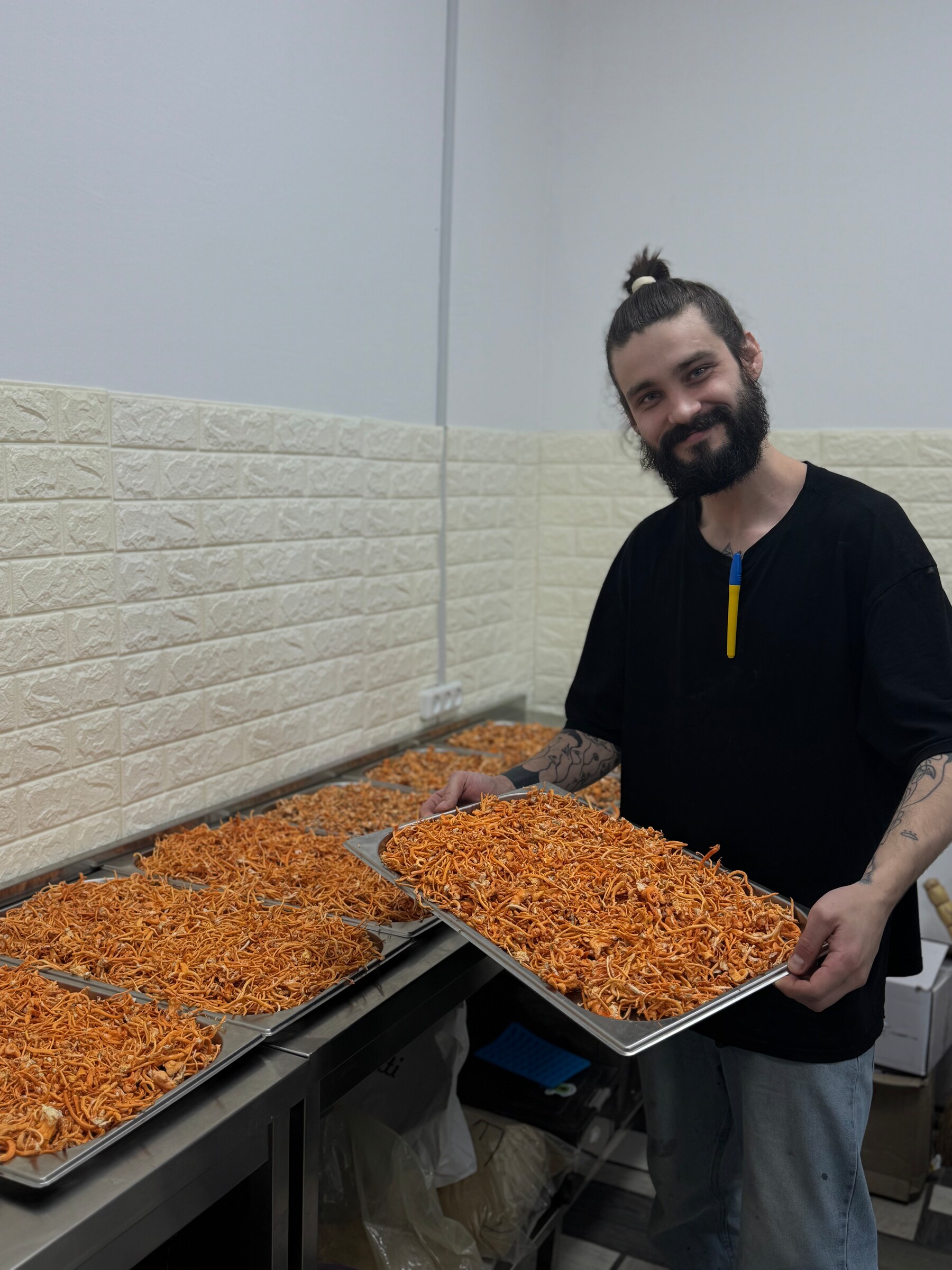
For cordyceps there is a study comparing four drying methods: freeze-drying, vacuum drying, drying in a drying oven and sun drying. The fresh fruiting bodies had a moisture content of 87%. In the oven they were dried at 50 °C for 3–5 hours; all the methods brought the moisture content down to 7–8%, which, according to the authors, meets the requirements of commercial cordyceps processing. Freeze-drying and oven drying did not change the cordycepin content compared with the fresh material, whereas vacuum drying and sun drying led to marked losses (Wu X. et al., 2026).
In a study of infrared drying, 40 °C best preserved the colour and smell of cordyceps, while adenosine, cordycepin and phenolic compounds were best preserved by a regime of 60 °C with an airflow of 1 m/s (Wu X. F. et al., 2019). So even for a single mushroom, the "best" temperature depends on what exactly needs to be preserved.
Reishi
Reishi takes longer to dry than other mushrooms: the fruiting body is dense and woody, so it is better to slice it while it is still fresh (more on this in the article on milling). A 2021 study compared heat drying (36 hours at 60 °C) with freeze-drying. After heat drying, the fruiting bodies contained more carbohydrates, amino acids and ganoderic acids — the triterpenoids characteristic of reishi (Sadiq N. B. et al., 2021). For reishi, then, heat is not necessarily the enemy: some substances are formed during drying rather than destroyed.
Fermented mycelium on grain
Grain after solid-state fermentation is also dried — in the same way as mushrooms. In published protocols, 60 °C is the most common:
- grain colonised by oyster mushroom mycelium was dried at 60 °C to a moisture content below 10% (Zhuk T. et al., 2026);
- in another study, the biomass was dried at 60 °C to constant mass and milled; the authors explain the choice of temperature as a compromise between three tasks — stopping the growth of the fungus, drying the mass for storage, and minimising oxidation and browning reactions. The moisture content of the finished flour was 3.3–4.4% (Mazzola A. et al., 2026).
For wheat fermented with reishi, freeze-drying, vacuum drying and hot-air drying preserved adenosine, polysaccharides and triterpenoids better than microwave drying (Li Y. et al., 2023).
How it is checked after drying
After drying, we check the moisture content, appearance and smell, and look for mould.
Moisture content. The standard laboratory method is to dry a weighed sample in a drying oven at 105 °C to constant mass and calculate how much mass was lost; this is exactly how the moisture content of fresh cordyceps was determined in the study cited above. Infrared moisture analysers give a result faster; in a study of dried kava root (not mushrooms), they agreed with the oven method with high accuracy (Tari D. et al., 2026).
Appearance and smell. Under Codex, dried mushrooms must have the colour, smell and taste characteristic of the species, be free of spoilage and contain a minimum of charred pieces. The standard defines as spoiled those mushrooms that have turned brown or rotted because of microorganisms or mould. An off smell — musty, sour, mouldy — is just as much a sign of a reject as visible mould.
Equalising moisture. Even a well-dried batch can be uneven: large pieces are wetter inside than small ones. Colorado State University Extension advises keeping the dried material in a closed container for 4–10 days and watching it: if drops of moisture appear on the walls, the material needs further drying. Products with an off smell or signs of mould should be thrown away.
Cooling before packing. Warm material is not packed: it "sweats" inside the bag, and that moisture is enough for mould. The US National Center for Home Food Preservation also points out that even a "bone dry" product can spoil if it absorbs moisture again during storage.
Storage
Codex requires dried mushrooms to be packed so that they are protected from moisture during storage and transport, and to be kept safe from insects, especially moths and mites. Dried mushrooms are not sterile: the 2024 review specifically notes that under unhygienic conditions they can become contaminated again. So we pack the dried and cooled material airtight straight away and store it in a cool, dry place.
What this means in practice
- We dry immediately after harvest: the longer the fresh material lies around, the more it loses even before drying.
- We choose the temperature to suit the raw material and what exactly needs to be preserved: for shiitake, the aroma; for cordyceps, cordycepin; for most mushrooms, colour and heat-sensitive substances.
- We slice large, dense fruiting bodies before drying so that they dry evenly.
- After drying, we check the moisture content, appearance and smell; mould or an off smell means a reject.
- We cool the material before packing and pack it airtight.
- The dried material then goes on as whole dried mushrooms, into powder or to extraction.
Sources
Standards and guides
- Codex Alimentarius. Standard for Dried Edible Fungi, CXS 39-1981. FAO/WHO.
- Codex Alimentarius. General Standard for Edible Fungi and Fungus Products, CXS 38-1981. FAO/WHO.
- Getty K., Gaikwad R., 2024. Water Activity of Foods, MF3674. Kansas State University Research and Extension.
- Colorado State University Extension. Drying Mushrooms. Preserve Smart.
- National Center for Home Food Preservation. Packaging and Storing Dried Foods. University of Georgia.
Reviews and water activity
- Moutia I., Lakatos E., Kovács A. J., 2024. Impact of Dehydration Techniques on the Nutritional and Microbial Profiles of Dried Mushrooms. Foods 13(20), 3245.
- Stevenson A. et al., 2014. Is there a common water-activity limit for the three domains of life? The ISME Journal 9(6), 1333–1351.
Temperature and composition
- Bai J. W. et al., 2023. Three-Dimensional Appearance and Physicochemical Properties of Pleurotus eryngii under Different Drying Methods. Foods 12(10), 1999.
- Villalobos-Pezos M. et al., 2024. Optimization of Phenolic Content Extraction and Effects of Drying Treatments on Physicochemical Characteristics and Antioxidant Properties of Edible Mushroom Pleurotus ostreatus. Antioxidants 13(12), 1581.
- Pratti P. G. et al., 2024. Effect of hot air-drying and pasteurization on ergothioneine content in edible mushrooms. Journal of Food Composition and Analysis 126, 105865.
- Gąsecka M. et al., 2020. The effect of drying temperature on bioactive compounds and antioxidant activity of Leccinum scabrum and Hericium erinaceus. Journal of Food Science and Technology 57(2), 513–525.
Shiitake
- Qin L. et al., 2020. Changes in Aroma Profile of Shiitake Mushroom (Lentinus edodes) during Different Stages of Hot Air Drying. Foods 9(4), 444.
- Zhang L. et al., 2021. Effects of Drying Process on the Volatile and Non-Volatile Flavor Compounds of Lentinula edodes. Foods 10(11), 2836.
- Vanabordeenimit C., Bhumiratana S., Yoovidhya T., Rattanasomboon N., 1996. Drying of Shiitake Mushroom: Effect of Drying on Lenthionine Content. KMUTT Research and Development Journal 19(1).
- Hiraide M., Kato A., Nakashima T., 2010. The smell and odorous components of dried shiitake mushroom, Lentinula edodes V: changes in lenthionine and lentinic acid contents during the drying process. Journal of Wood Science 56(6), 477–482.
- Liu Z. et al., 2025. Program temperature-controlled drying: An effective way to improve the quality of hot-air dried shiitake mushrooms. Journal of Food Science 90(1), e17616.
Cordyceps and reishi
- Wu X. et al., 2026. Drying-Induced Changes in Metabolite Profiles and Antioxidant Activity of Cordyceps militaris. Foods 15(12), 2061.
- Wu X. F., Zhang M., Li Z., 2019. Influence of infrared drying on the drying kinetics, bioactive compounds and flavor of Cordyceps militaris. LWT 111, 790–798.
- Sadiq N. B. et al., 2021. Postharvest Drying Techniques Regulate Secondary Metabolites and Anti-Neuroinflammatory Activities of Ganoderma lucidum. Molecules 26(15), 4484.
Fermented mycelium and moisture measurement
- Zhuk T. et al., 2026. Changes in nutritional composition and bioactivity of fermented cereals under Pleurotus ostreatus solid-state fermentation. Frontiers in Nutrition 13, 1919003.
- Mazzola A. et al., 2026. Nutritional Improvement of Sugar-Snap Cookies Supplemented with Ganoderma sessile and Pleurotus ostreatus Solid-State Fermentation Flours. Foods 15(3), 510.
- Li Y. et al., 2023. Effects of drying methods on bioactive components of Ganoderma lucidum fermented whole wheat in products & in vitro digestive model. Food Research International 168, 112641.
- Tari D. et al., 2026. Improved quality control and moisture determination in dry kava (Piper methysticum) from Vanuatu: a practical oven-drying approach. PeerJ 14, e21102.
Related mushrooms
Materials for growing
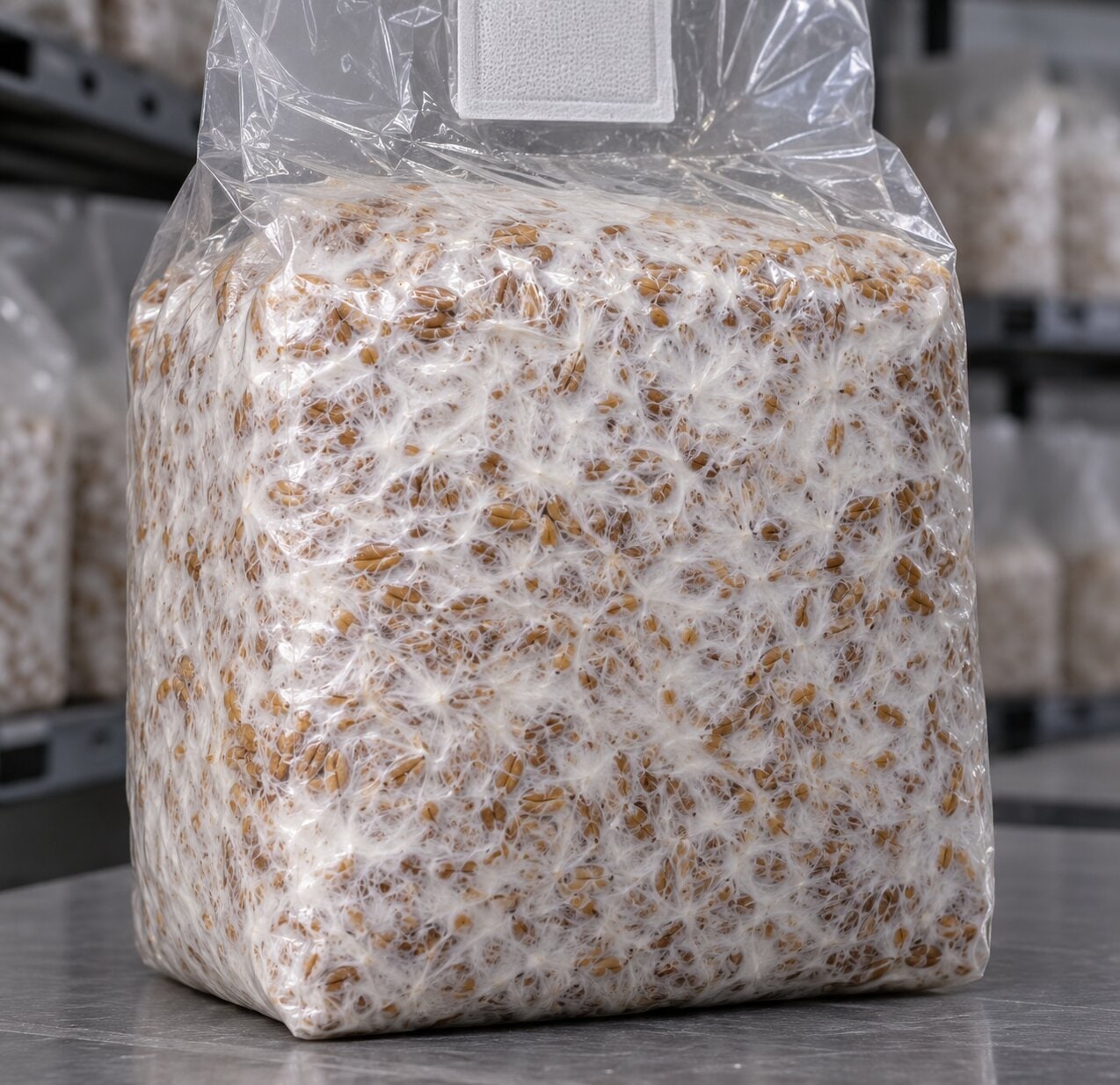
Master grain spawn — 5 kg bag
GREEBZ master grain spawn of the chosen culture. A pure culture on sterile grain substrate. Available in a choice of cultures — list the ones you need in your request. Master spawn is intended for further propagation and the production of production spawn. Grown from a pure culture under sterile laboratory conditions. Specifications - Format: grain spawn in a filter bag (grow bag), 5 kg - Substrate: sterile grain - Producer: GREEBZ
Made by us
On request
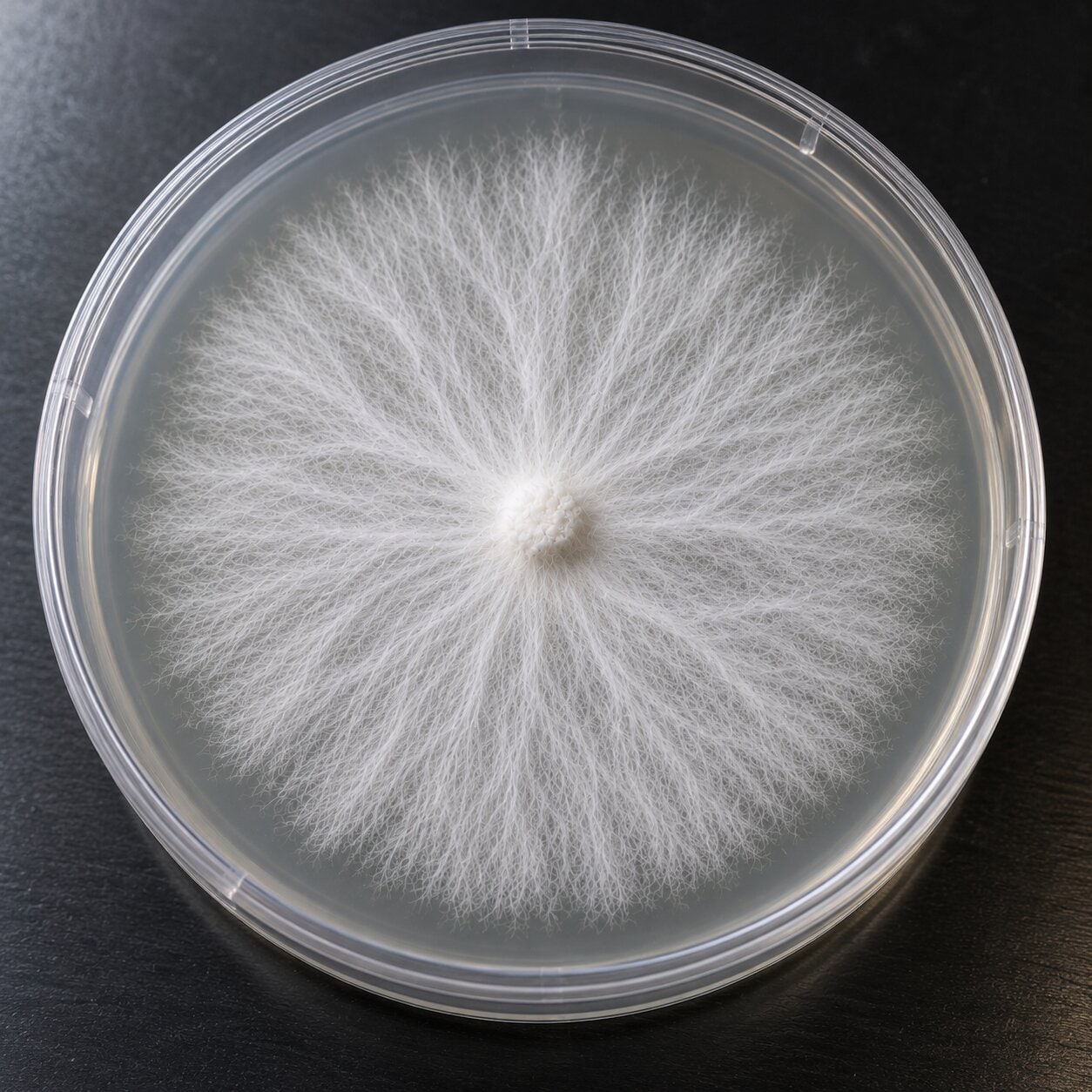
Pure mushroom culture — Petri dish
Pure GREEBZ mushroom cultures on a sterile agar nutrient medium. Available in a choice of cultures — list the ones you need in your request. Pure mushroom cultures grown under laboratory conditions on a sterile agar nutrient medium in Petri dishes. They are intended for further propagation of the culture, transfer to fresh nutrient medium and the production of grain spawn. One chosen culture = one Petri dish. Specifications - Format: pure culture on a sterile agar nutrient medium in a Petri dish - Producer: GREEBZ
Made by us
On request
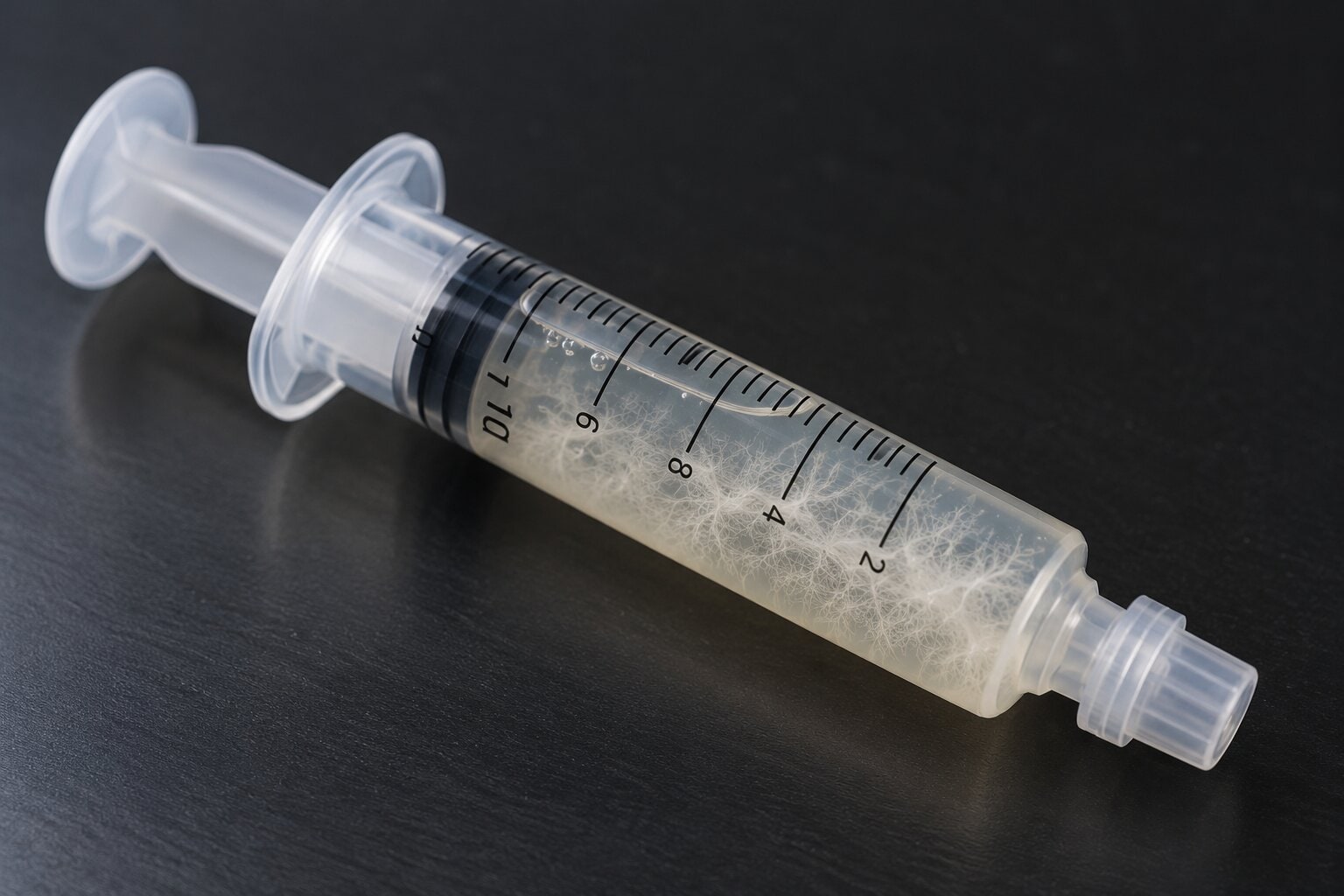
Liquid culture — 10 ml Luer Lock syringe
Pure GREEBZ mushroom liquid cultures. Available in a choice of cultures — list the ones you need in your request. The liquid culture is grown from a pure culture under sterile laboratory conditions. It is intended for inoculating grain substrate and producing grain spawn. Specifications - Format: liquid culture in a sterile Luer Lock syringe, 10 ml - Producer: GREEBZ
Made by us
On request
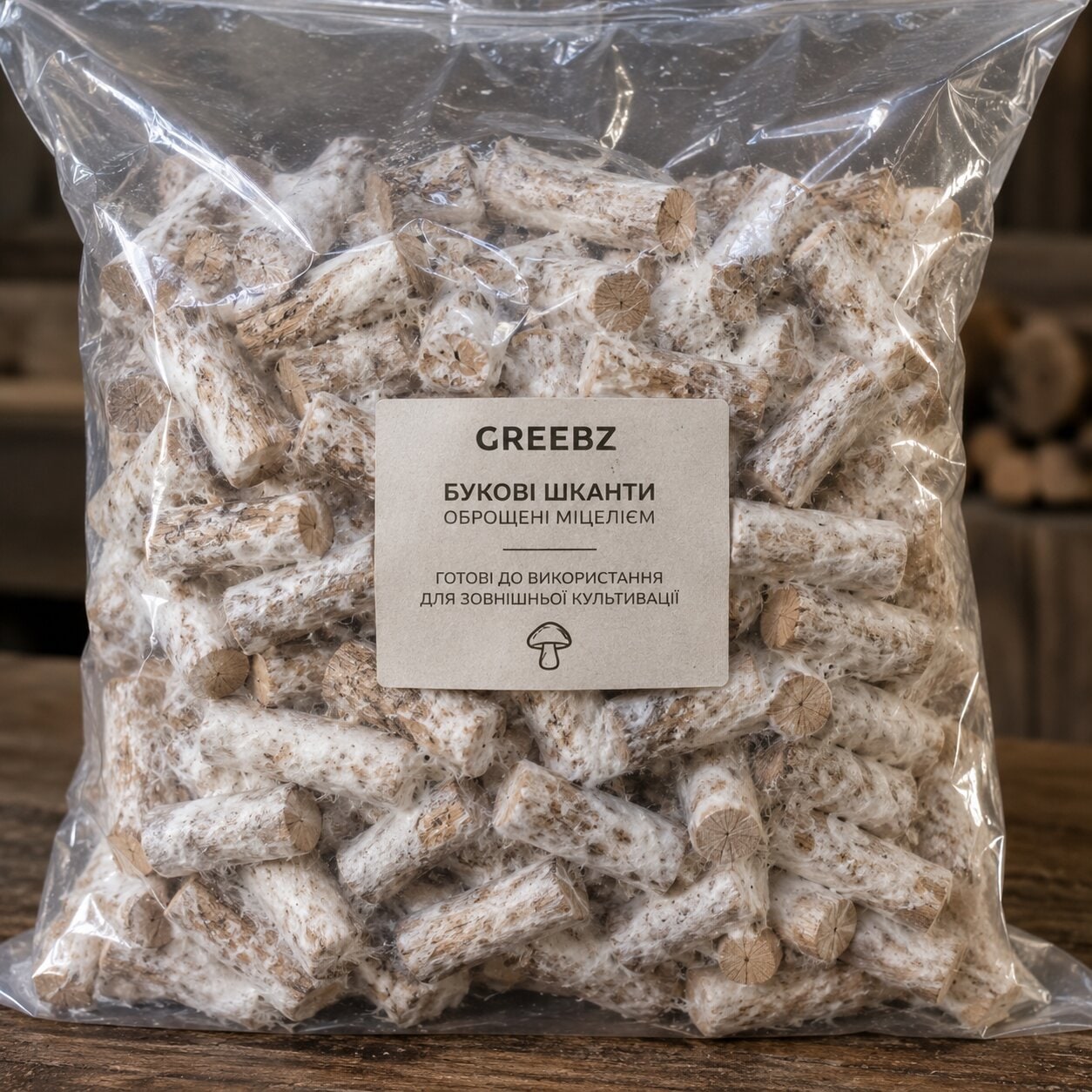
Beech plug spawn colonised with mycelium
Beech dowels colonised with the mycelium of the chosen culture. Ready to use for growing mushrooms outdoors on wood. Pack of 250–300 g. Available in a choice of cultures — list the ones you need in your request. One chosen culture = one pack of dowels. What's included - Beech dowels colonised with the mycelium of the chosen culture Important: wax and cotton wadding are not included. What you'll need for inoculation For working with the dowels we also recommend preparing: - Wax — to seal the holes after inserting the dowels. It closes the inoculation site and protects it from drying out and from the outside environment. - Cotton wadding — can be used for extra treatment and closing of the prepared holes. You will also need: - a drill; - a drill bit of the right diameter for the dowel; - a tool for inserting the dowels; - wood suitable for cultivation. Wax, cotton wadding and tools are bought separately. Specifications - Format: beech dowels colonised with the mycelium of the chosen culture - Pack weight: 250–300 g - Producer: GREEBZ
Made by us
On request
Other entries
Need help with your process?
Describe what's happening, even if you don't know the cause. We'll work it out together.