Grain spawn: master spawn
What master grain spawn is, how to inoculate, incubate, check and store it, and why cultures are not propagated beyond the fourth generation, with data from studies and standards.
Author: Volodymyr Sobol
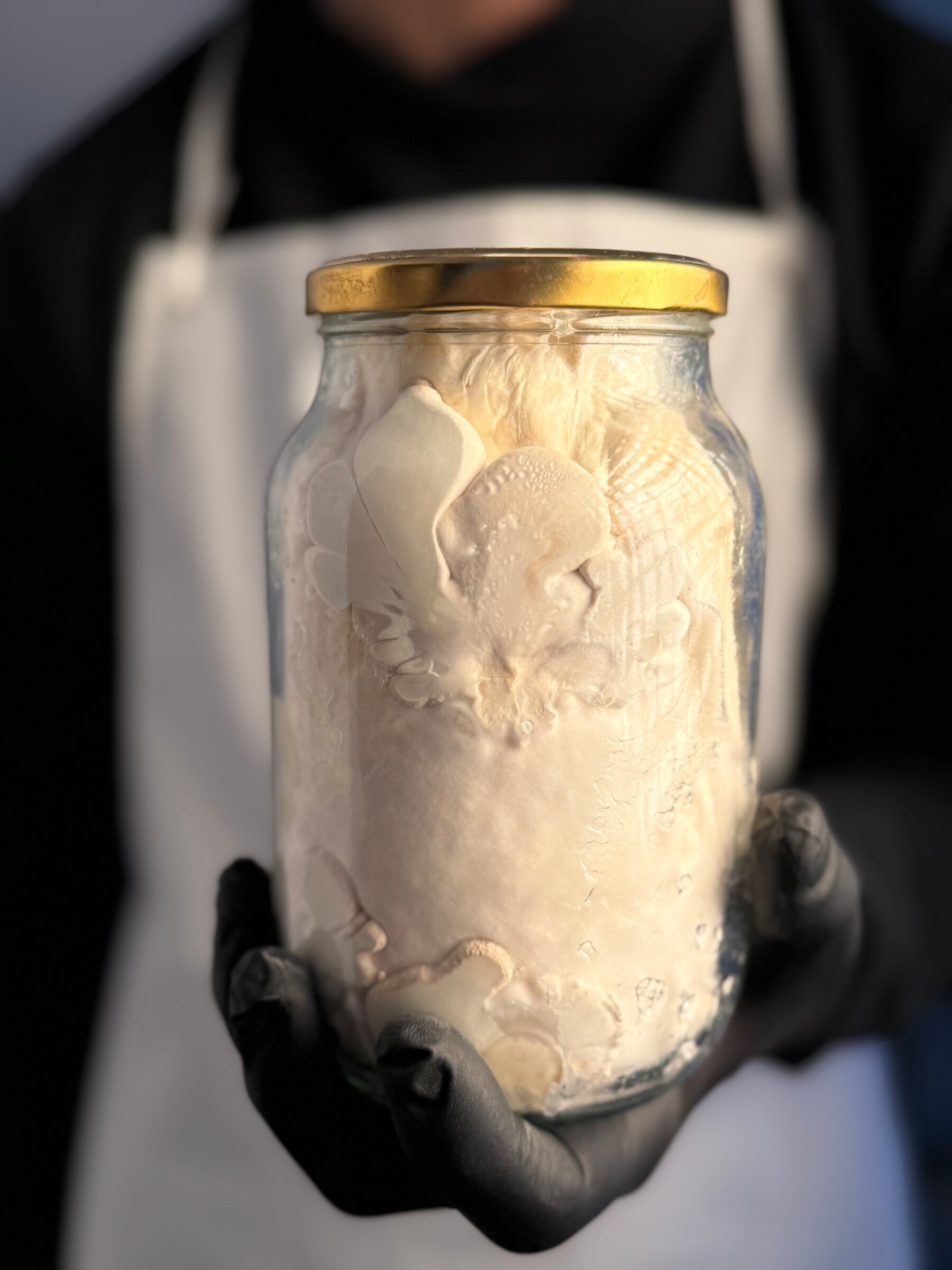
Grain spawn is sterile grain fully colonised by mushroom mycelium. It is added to the substrate the way seed is sown in soil: the speed of substrate colonisation, the level of contamination and the yield all depend on the quality of the spawn.
This article is about master spawn — the first grain inoculated from a pure culture, from which all the planting spawn is propagated. Solid-state fermentation, where the colonised grain is not planting material but the product itself, is a separate field, and it has its own article. Choosing the grain, preparing it and inoculating it are covered in detail in other articles in the series: on the grain supplier, on preparation and sterilisation and on inoculation.
What grain spawn is
Grain spawn is mushroom mycelium propagated on steam-sterilised cereal grain (Penn State Extension). The kernel does two jobs: it carries the mycelium and serves as its food reserve.
The technology was patented by James Sinden of Pennsylvania State College: the application was filed on 17 March 1931, and the patent for spawn on a grain substrate was granted on 2 August 1932 (US 1,869,517). Before that, mycelium was propagated on manure bricks; by the Second World War, grain spawn had become the standard in the USA (Penn State Extension).
Where master spawn fits in production
Master spawn is the first grain inoculated directly from a pure culture: from agar or from liquid culture. It is not added to the substrate. Its job is to multiply the culture on grain and pass it on to the production spawn. That is why the requirements for it are stricter than for any later batch: a mistake in one master spawn jar is repeated in dozens of bags.
Generations
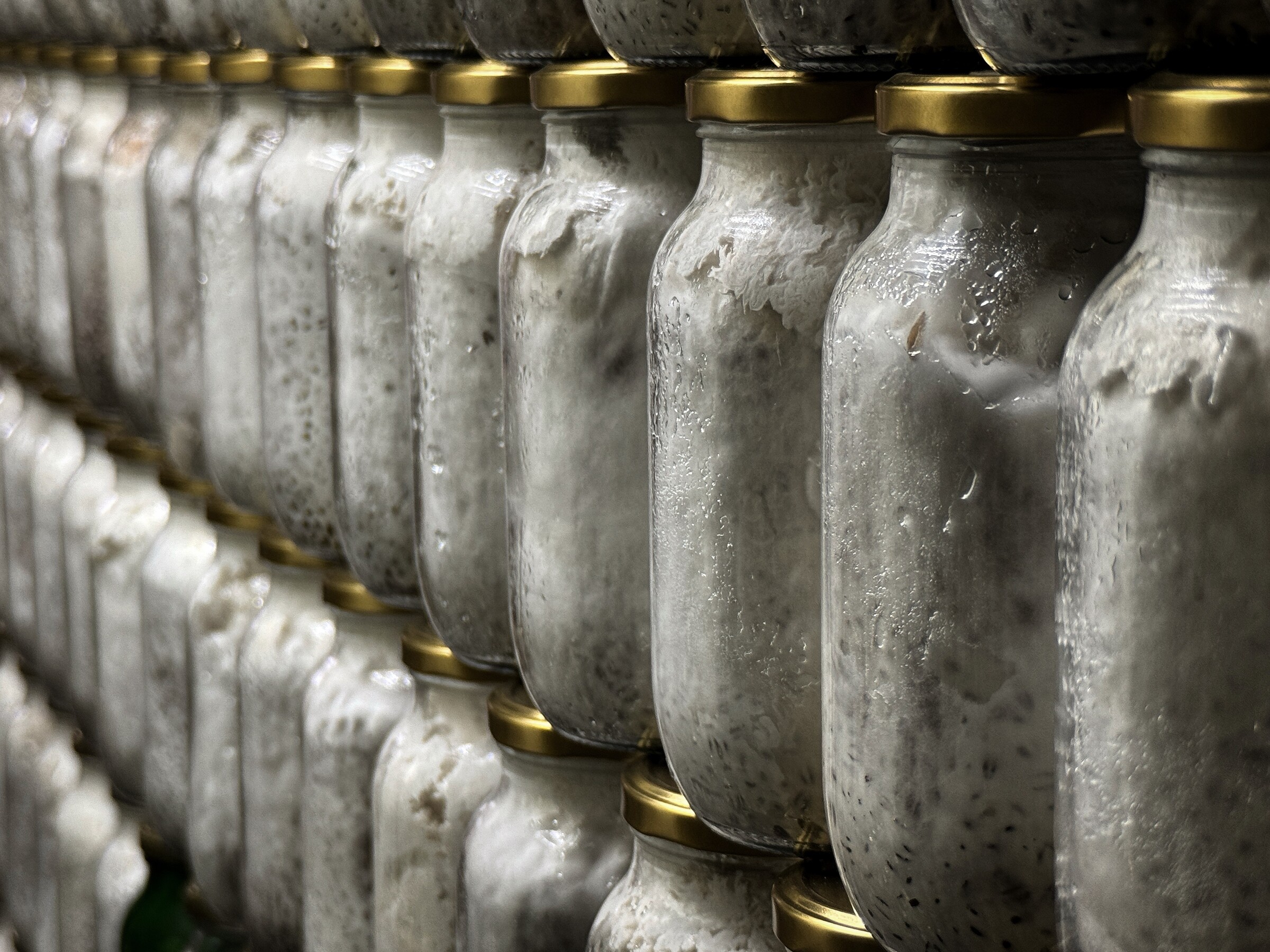
Grain spawn is propagated in several steps: pure culture → master spawn → production spawn. The Belgian producer Mycelia goes through three propagation stages before the mycelium becomes production spawn (Mycelia), and growers mostly do not transfer beyond the fourth generation (Fungi Ally). The reason is degeneration: as the number of transfers grows, the culture weakens. In oyster mushroom, the proportion of cells with DNA breaks rose with each generation of subculturing, and the yield fell (Zhu et al., 2020).
The multiplication factor at this stage is large. According to Pennsylvania State University, one 250 ml flask inoculates five to six one-litre flasks (Royse, Wilkinson). Indian guidelines give a different ratio: one master bottle of 300 g of grain yields 25–30 bags of production spawn of 500 g each (Indian Horticulture).
Grain and recipe
For lion's mane, wheat gave the best result among the carriers compared.
| Carrier | Full colonisation, days |
|---|---|
| Wheat | 13.33 |
| Barley | 15.33 |
| African millet | 16.33 |
| Rice | 17.00 |
| Rice husk | 24.00 |
Source: Singh et al., 2022. In a separate study, five strains of the genus Hericium also grew best on wheat grain (Gonkhom et al., 2022).
A published grain spawn protocol for lion's mane looks like this (Kumar, 2022): the wheat is boiled for 20 minutes, mixed after cooling with 2% gypsum (CaSO₄) and 0.5% chalk (CaCO₃), filled into 500 ml bottles or bags to two-thirds, and autoclaved for 2 hours at 121 °C. The gypsum keeps the grain from clumping, and the chalk holds the pH.
Inoculation and incubation
When transferring, Royse and Wilkinson advise taking an agar block no larger than 3 × 3 mm, so that fewer of the culture's ageing products are carried over from the old agar.
Incubation is at 23–25 °C. The jar is shaken every 4–7 days: the grain is mixed, colonised kernels are spread among uncolonised ones, and the mycelium grows from many points at once. Without shaking, the grain knits into a dense block that is then hard to break up and distribute evenly. At 23 °C, colonisation takes 12–18 days (Royse, Wilkinson).
When master spawn is ready
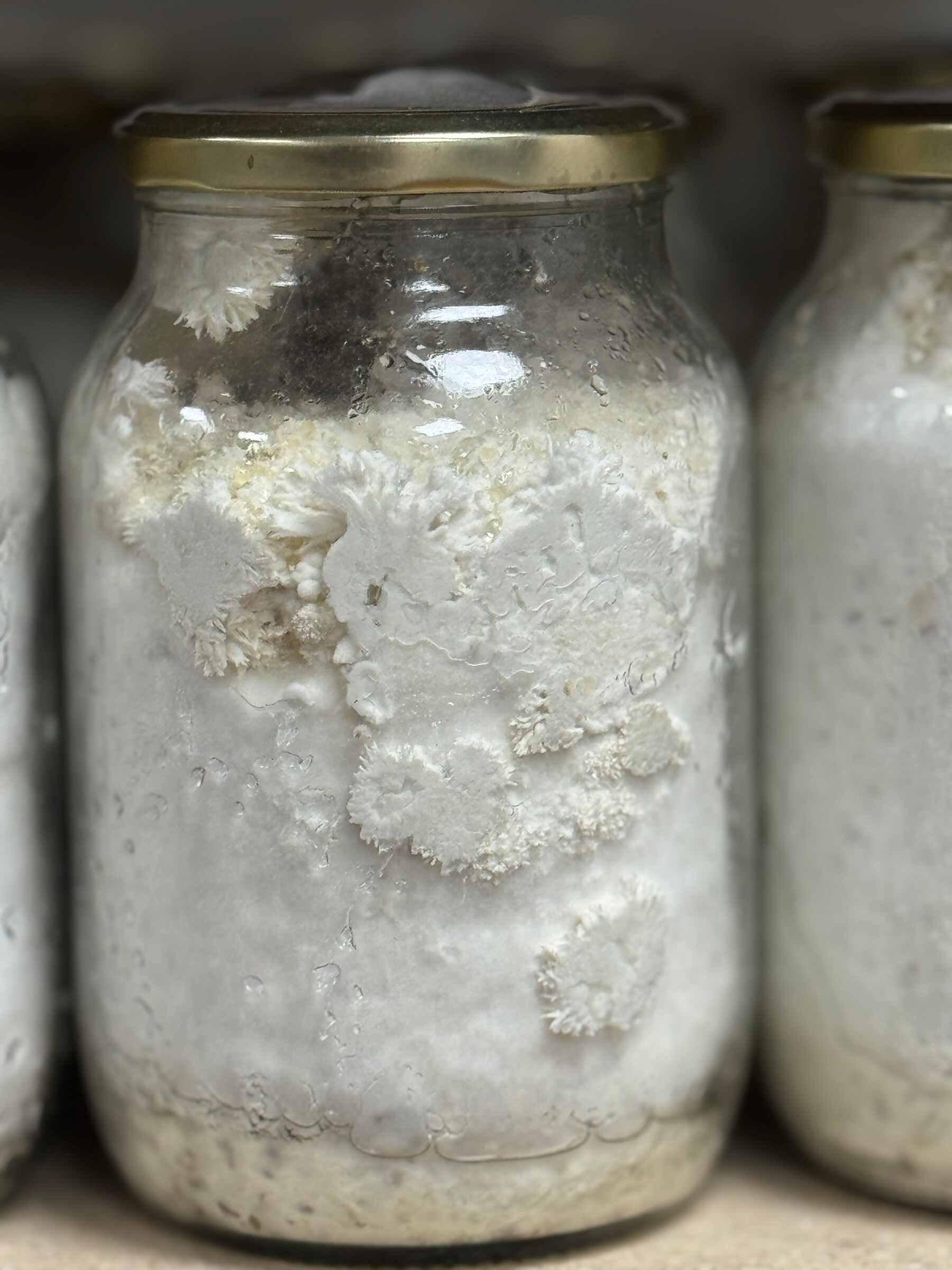
Master spawn is used straight after full colonisation: the grain should be well covered with mycelium but not overgrown (Royse, Wilkinson). Spawn that has stood too long starts worse: the mycelium ages, and the grain dries out or, on the contrary, free liquid appears at the bottom.
On grain, lion's mane often produces thin, barely visible mycelium and forms fruiting body primordia early, right in the jar. So it is not worth judging readiness by the density of the white coating alone: it is more reliable to break up the grain by shaking and see whether every kernel is enveloped by hyphae.
Storage
| Parameter | Value | Source |
|---|---|---|
| Storage temperature | about 4 °C | Royse and Wilkinson |
| Maximum shelf life | up to 6 months, preferably no longer than 4 | Royse and Wilkinson |
| Conversion | 1 day at 23 °C ≈ 1 week at 4 °C | Royse and Wilkinson |
| Button mushroom production spawn at 8 °C | no longer than 60 days | Cai et al., 2025 |
The conversion is useful in practice: if a jar has stood on the bench at room temperature for three days, it has aged by roughly three weeks of refrigerator time.
Three rules in practice:
- only fully colonised jars go into the refrigerator, not half-colonised ones;
- before use, the jar is allowed to warm to room temperature and the grain is broken up by shaking;
- each jar is labelled with the strain, generation, inoculation date and date of full colonisation.
These rules are general laboratory practice, not the result of a specific study.
What to check before use
The Chinese standard for oyster mushroom spawn GB 19172-2003 describes acceptable spawn as white, dense, viable, and free of any sour, rotten or mouldy smell. Under this standard, bacteria are detected by inoculating into nutrient broth (the broth turns cloudy), moulds by plating onto potato dextrose agar, and the master spawn is checked by a trial cultivation before it is propagated.
The Belgian producer Mycelia uses malt extract agar plates for quality control: they show both the growth of the mycelium and any contamination by moulds or bacteria (Mycelia).
For master spawn, both checks make sense: broth quickly reveals bacteria, while agar reveals moulds and lets you see the mycelium itself. A jar of master spawn is opened only in the sterile zone and used in one go.
Summary of the check:
| Indicator | Acceptable master spawn | How to check |
|---|---|---|
| Appearance | white mycelium on every kernel, no coloured spots | inspection after shaking |
| Smell | mushroomy, not sour or mouldy | when opening in the sterile zone |
| Free liquid | none | inspection of the bottom of the jar |
| Bacteria | the broth stays clear | inoculating kernels into nutrient broth |
| Moulds | only the culture's mycelium grows on the agar | plating kernels onto agar |
| Viability | the mycelium grows actively out of the kernels | the same agar plating |
| Age | just colonised, not overgrown, or stored within its shelf life | the labels on the jar |
| Generation | no further than the fourth | the labels on the jar |
Procedure
- Prepare the grain: wheat, gypsum and chalk; fill the jars no more than two-thirds full so that the grain can be shaken.
- Sterilise and cool to room temperature.
- Inoculate in the sterile zone from a checked pure culture: with small agar blocks or with liquid culture.
- Incubate at 23–25 °C in the dark, shaking every 4–7 days.
- After full colonisation, assess the appearance and smell, and plate a few kernels onto agar and into nutrient broth.
- Use straight away or put in the refrigerator at 4 °C, labelled with the strain, generation and dates.
- Propagate no further than the fourth generation; make new master spawn from a pure culture, not from old grain.
References
- Penn State Extension. Seeding Substrate and Management of Growing Agaricus bisporus.
- Sinden J. W. US patent US 1,869,517, 1932.
- Royse D. J., Wilkinson V. Care and Handling of Cultures of the Cultivated Mushroom. The Pennsylvania State University.
- Singh et al. (2022). Comparison of grain carriers for Hericium erinaceus mycelium.
- Gonkhom D. et al. (2022). Optimal conditions for mycelial growth of medicinal mushrooms belonging to the genus Hericium. Mycological Progress, 21, 82.
- Kumar S. (2022). Evaluation of Hericium erinaceus (Lion's Mane) mushroom strains on different substrates. The Pharma Innovation Journal, 11(6), 379–384.
- Mushroom and spawn production. Indian Horticulture.
- Mycelia. FAQ: production.
- Fungi Ally. Mushroom grain spawn.
- GB 19172-2003 — Chinese standard for oyster mushroom spawn.
- Cai Z. et al. (2025). Comprehensive Metabolomic and Transcriptomic Analysis Revealed the Molecular Basis of the Effects of Different Refrigeration Durations on the Metabolism of Agaricus bisporus Cultivation Spawn. Journal of Fungi, 11(6), 415.
- Zhu W. et al. (2020). Label-Free Proteomics Reveals the Molecular Mechanism of Subculture Induced Strain Degeneration and Discovery of Indicative Index for Degeneration in Pleurotus ostreatus. Molecules, 25(21), 4920.
Related mushrooms
Materials for growing
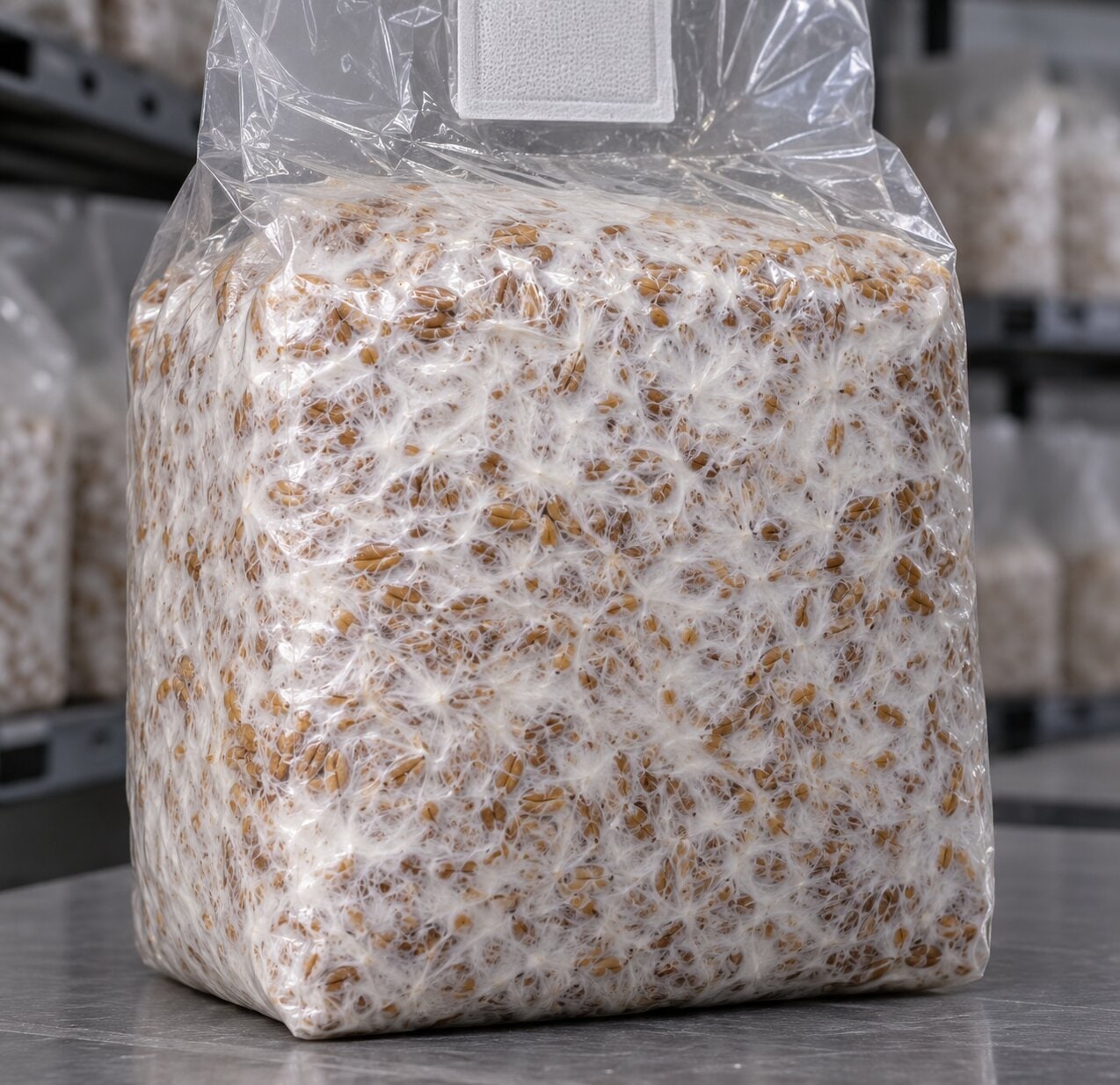
Master grain spawn — 5 kg bag
GREEBZ master grain spawn of the chosen culture. A pure culture on sterile grain substrate. Available in a choice of cultures — list the ones you need in your request. Master spawn is intended for further propagation and the production of production spawn. Grown from a pure culture under sterile laboratory conditions. Specifications - Format: grain spawn in a filter bag (grow bag), 5 kg - Substrate: sterile grain - Producer: GREEBZ
Made by us
On request
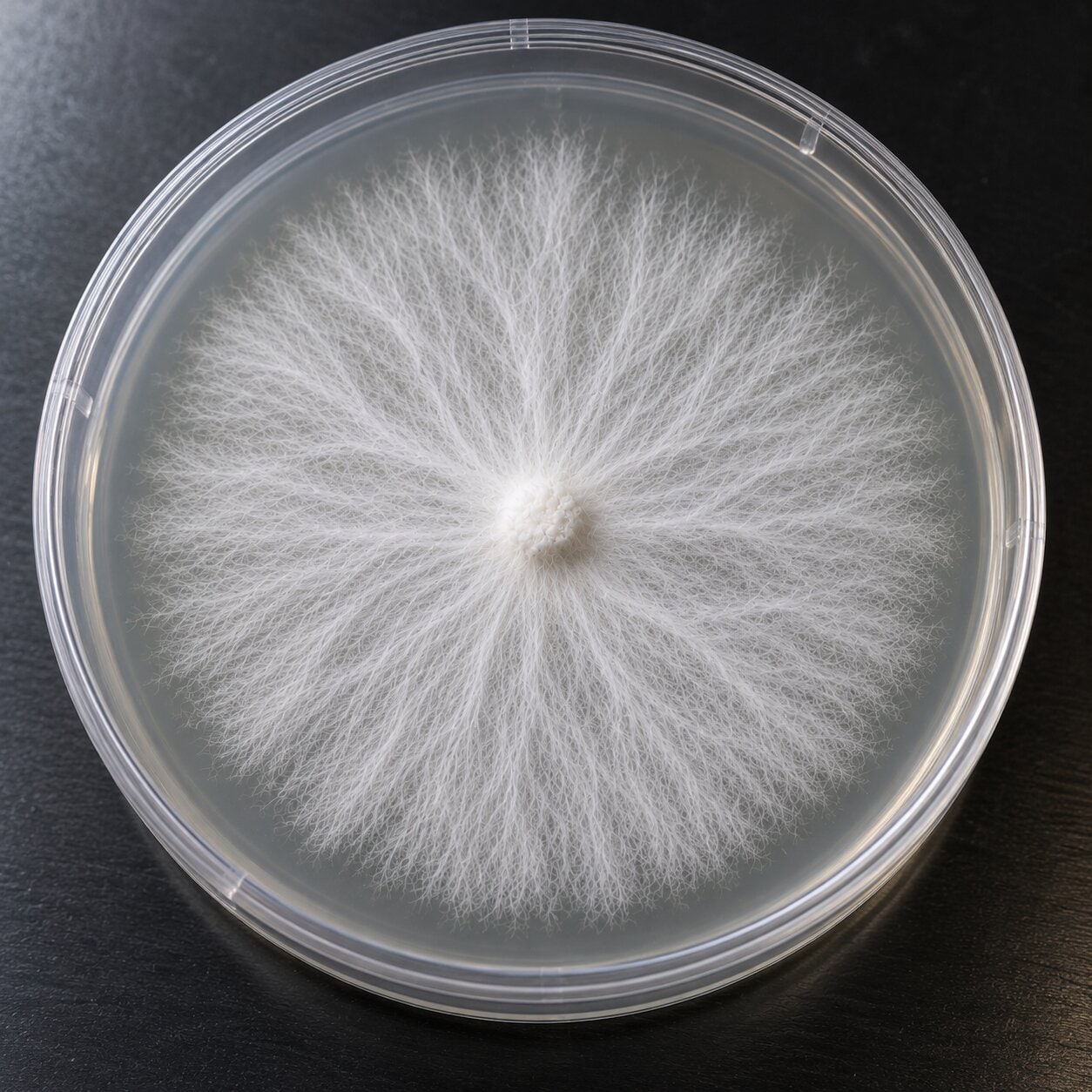
Pure mushroom culture — Petri dish
Pure GREEBZ mushroom cultures on a sterile agar nutrient medium. Available in a choice of cultures — list the ones you need in your request. Pure mushroom cultures grown under laboratory conditions on a sterile agar nutrient medium in Petri dishes. They are intended for further propagation of the culture, transfer to fresh nutrient medium and the production of grain spawn. One chosen culture = one Petri dish. Specifications - Format: pure culture on a sterile agar nutrient medium in a Petri dish - Producer: GREEBZ
Made by us
On request
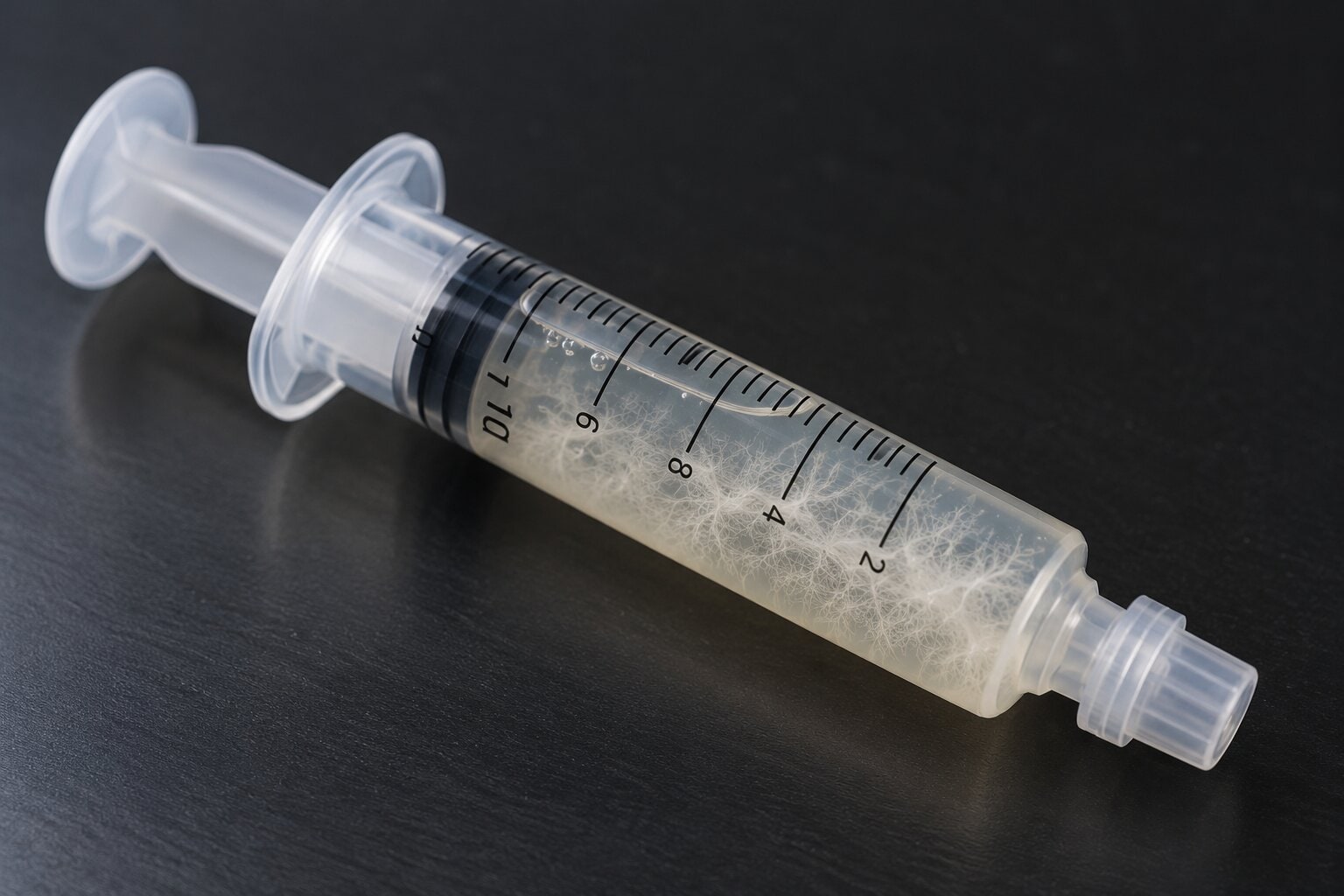
Liquid culture — 10 ml Luer Lock syringe
Pure GREEBZ mushroom liquid cultures. Available in a choice of cultures — list the ones you need in your request. The liquid culture is grown from a pure culture under sterile laboratory conditions. It is intended for inoculating grain substrate and producing grain spawn. Specifications - Format: liquid culture in a sterile Luer Lock syringe, 10 ml - Producer: GREEBZ
Made by us
On request
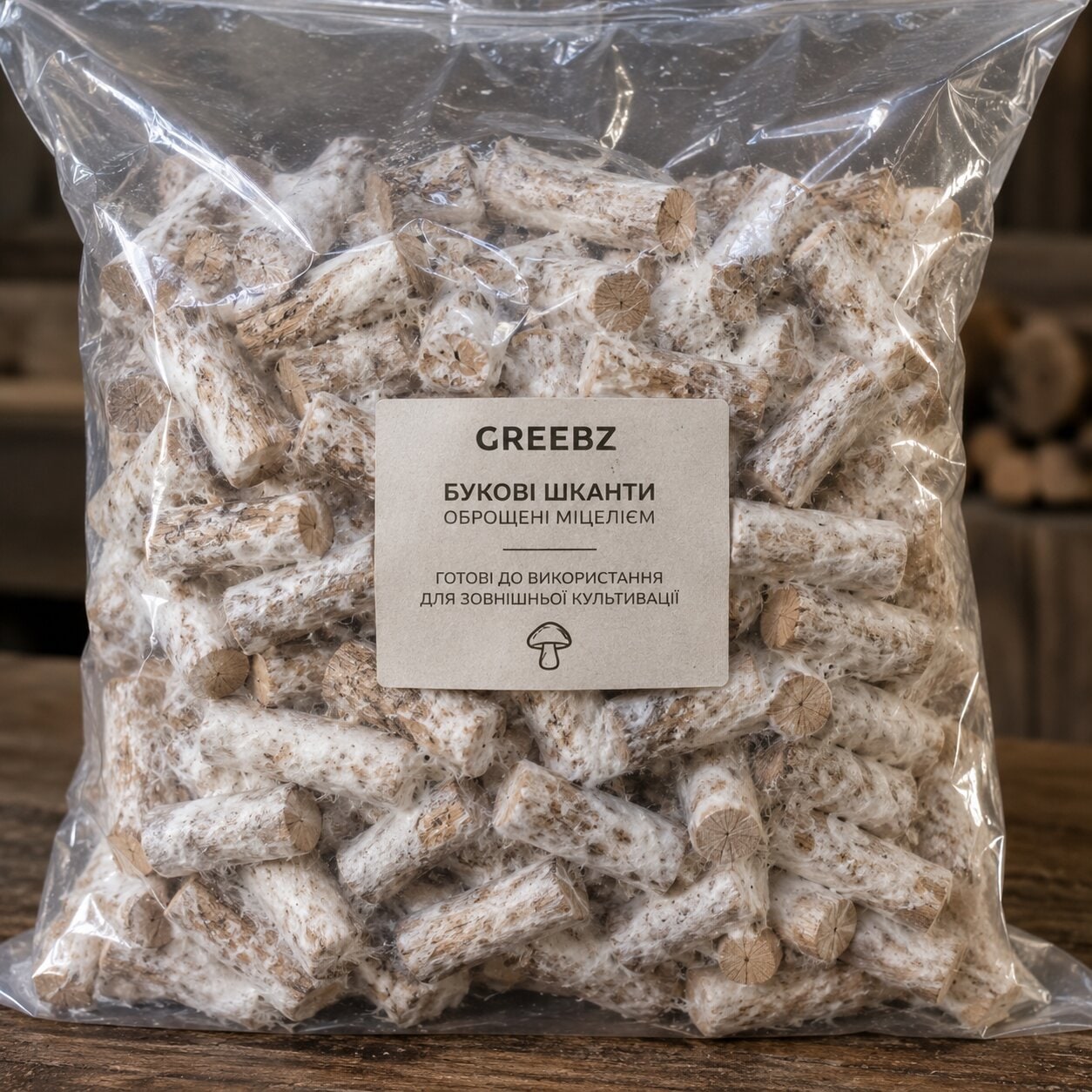
Beech plug spawn colonised with mycelium
Beech dowels colonised with the mycelium of the chosen culture. Ready to use for growing mushrooms outdoors on wood. Pack of 250–300 g. Available in a choice of cultures — list the ones you need in your request. One chosen culture = one pack of dowels. What's included - Beech dowels colonised with the mycelium of the chosen culture Important: wax and cotton wadding are not included. What you'll need for inoculation For working with the dowels we also recommend preparing: - Wax — to seal the holes after inserting the dowels. It closes the inoculation site and protects it from drying out and from the outside environment. - Cotton wadding — can be used for extra treatment and closing of the prepared holes. You will also need: - a drill; - a drill bit of the right diameter for the dowel; - a tool for inserting the dowels; - wood suitable for cultivation. Wax, cotton wadding and tools are bought separately. Specifications - Format: beech dowels colonised with the mycelium of the chosen culture - Pack weight: 250–300 g - Producer: GREEBZ
Made by us
On request
Other entries
Need help with your process?
Describe what's happening, even if you don't know the cause. We'll work it out together.