Liquid culture: preparation, submerged cultivation and pre-use checks
How to prepare liquid culture from a pure plate: growers' and laboratory media, systems from a jar to a fermenter, tests before putting it into use, and storage.
Author: Volodymyr Sobol
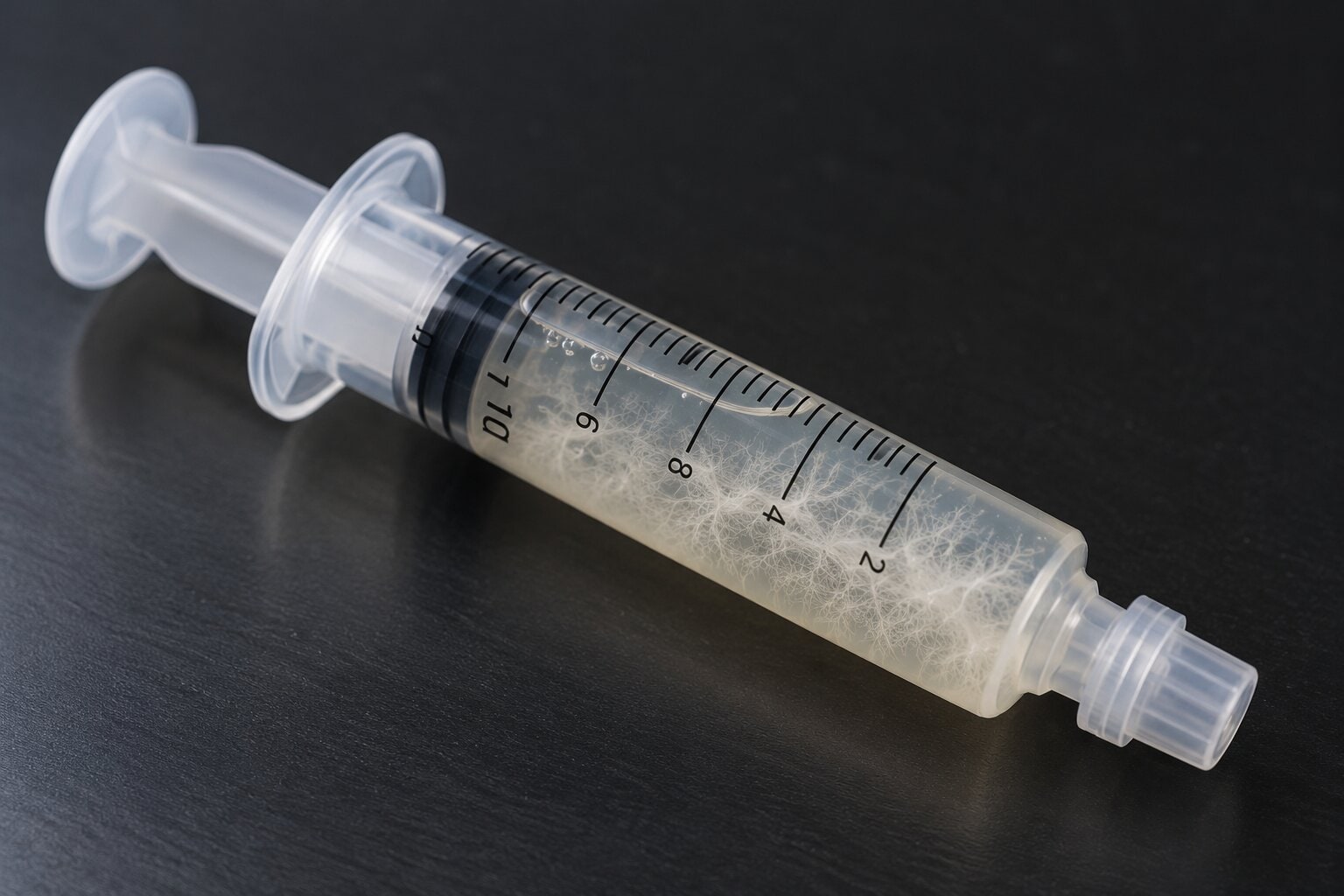
Liquid culture is mycelium grown in a sterile nutrient solution. It inoculates grain faster and more evenly than pieces of agar, but contamination in a liquid is not as visible as on a plate. Hence the main rule: liquid culture is checked by plating it on agar before it is put into use.
This article continues the piece on pure culture on agar: liquid culture is prepared from a checked plate.
Liquid culture and submerged cultivation
Submerged cultivation is the growing of mycelium in a liquid medium in which the nutrients are dissolved and oxygen is supplied by agitation (Bakratsas et al., 2021). A grower's liquid culture in a jar and a fermenter of hundreds of litres are the same process at different scales. What differs is the goal: the grower needs clean inoculum, while biotechnological production needs biomass or metabolites.
Liquid spawn is prepared in 5–7 days versus 30–40 days for solid spawn, and it gives mycelium of uniform age (Song et al., 2026). In a trial with Pleurotus pulmonarius, substrate inoculated with liquid spawn was colonised in 30 days versus 40, and the yield was higher than with grain spawn; the biological efficiency with liquid spawn was 65.48% (Abdullah et al., 2013). A systematic review confirms faster colonisation and higher yield, but relies on only three studies from the last decade (Dong et al., 2026). We could not find a comparison of liquid and grain spawn specifically for lion's mane.
The risks of liquid culture are bacteria and over-incubation. In a liquid inoculum of snow fungus (Tremella fuciformis) obtained from solid mycelium, the yield varied from batch to batch because of an unstable microbial community, and in an over-incubated, browned inoculum (9 days instead of 5) the share of bacteria of the genus Stenotrophomonas rose from 3.7% to 34.3% (Lin et al., 2025).
Nutrient media
Growers prepare poor media with 4–40 g of sugars per litre, while laboratory media for building biomass contain 30–70 g/L. The classic growers' rule is 4% sugars, but 3–5% also works (GroCycle). Growers on forums add that about 10% is already toxic to mycelium, and that a weaker solution is better than a stronger one.
Growers' recipes per 1 L of water
| Medium | Composition per 1 L | Source |
|---|---|---|
| Honey water, 4% | Honey 40 g | Growers' forums; GroCycle |
| Glucose with malt extract, 4% | Glucose 20 g, light malt extract 20 g | Growers' forums |
| Malt extract with yeast extract | Malt extract 40 g, yeast extract 4 g | GroCycle |
| Corn syrup | Syrup 40 g | GroCycle |
| Malt, glucose, peptone | Malt extract 10 g, glucose 3 g, peptone 0.2–0.5 g | Lamycosphere |
| Poor medium | Malt extract 4 g | Thick Cultures |
| Poor medium | 5–10 g of sugars | Out-Grow |
| For lion's mane | Malt extract 20 g, glucose 20 g; optionally yeast 0.5 g | Lykyn |
Laboratory media for Hericium erinaceus, per 1 L
| Composition | Conditions | Result | Source |
|---|---|---|---|
| Glucose 4 g, malt extract 10 g, yeast extract 4 g | 24 °C, 150 rpm, 7 days | Seed culture for subsequent fermentation | Shen et al., 2015 |
| Glucose 30 g, yeast extract and peptone together 2 g | pH 5.7, inoculum 13.4%, 8 days | 9 g/L dry biomass | Jeong et al., 2006 |
| Malt extract 50 g, dry corn steep extract 37.3 g, CaCl₂ 1 g, MgSO₄·7H₂O 1 g | pH 4.5, 25 °C, 110 rpm, inoculum 10% | 14.24 g/L | Malinowska et al., 2009 |
| Corn flour 30 g, glucose 10 g, yeast extract 3 g, KH₂PO₄ 1 g, CaCO₃ 0.5 g, corn steep liquor 15 mL | Flasks on a shaker | 16.07 g/L; in a 15 L fermenter, 20.50 g/L | Huang et al., 2007 |
| Glucose 69.87 g, casein peptone 11.17 g, NaCl 1.45 g, KH₂PO₄ 1.0 g, ZnSO₄ 55.24 mg | pH 4.5, 10 L bioreactor, 8 days | 13.3 g/L biomass, 192 mg/L erinacine A | Krzyczkowski et al., 2010 |
The optimal conditions for biomass growth in one study were 24.4 °C, pH 6.4, 147 rpm (Khurana et al., 2022). Rich laboratory media are cloudy from flour and extracts, so for a seed culture clear media based on malt extract and glucose are more convenient: bacterial cloudiness is visible in them.
Preparation
A liquid medium is sterilised for less time than grain: from 20 minutes for small jars to 40–45 minutes for litre jars (Lamycosphere). Sterilising for too long caramelises the sugars (Rhizofunga).
- Dissolve the components in warm water according to the recipe.
- Do not fill the vessel to the top. Growers fill a jar to ⅔–80% (GroCycle; growers' forums). In laboratories a shaker flask is filled to 30–40%: for example, 150 mL in a 500 mL flask (Joconn).
- Put a magnetic stir bar or glass marbles inside — after sterilisation the jar is no longer opened.
- Sterilise at 15 psi: 250 mL — 20–25 minutes, 500 mL — 30–35 minutes, 1 L — 40–45 minutes (Lamycosphere).
- Check the colour. The solution should stay clear; if it has darkened, the sugars have caramelised, which is why small volumes are not sterilised for longer than 30 minutes (Rhizofunga).
- Cool for at least 12 hours before inoculation (Out-Grow).
Systems growers use
The systems differ in how they agitate and supply air. The most common among growers is a jar on a magnetic stirrer; farms with large volumes move to fermenters.
| System | How it works | Advantages and risks |
|---|---|---|
| Jar with a port lid | The lid has a self-healing injection port for a needle and a filter for gas exchange; inside is a glass marble, and the jar is shaken once every day or two (Rhizofunga; GroCycle) | The cheapest system. Without a stirrer the mycelium grows more slowly and clumps into dense lumps |
| Jar on a magnetic stirrer | A magnetic stir bar in the jar. Slow stirring around the clock and a vortex once or twice a day for 3 minutes (growers' forums) | A stirrer costs 30–50 dollars, or it is built from a computer fan; the culture is ready in 4–7 days. Opinions on the forums differ on speed: from 60 rpm for 15 minutes to 300 rpm continuously |
| Flasks on an orbital shaker | The laboratory standard: 110–150 rpm, 24–25 °C. In a protocol for enoki — 150 mL in a 500 mL flask with 10 glass beads, 48 hours without movement, then 150 rpm for 5–7 days (Joconn) | Reproducible conditions and small 1–2 mm pellets. Requires a shaker and a temperature-controlled room |
| GL45 laboratory bottles | Bottles with caps fitted with syringe filters or with filter discs glued on (growers' forums) | Strong glass and convenient dosing. Glued-on filters, according to user reports, fall off after a few cycles |
| Jar aerated by a compressor | An aquarium compressor supplies air through a 0.22 µm filter to a diffuser. A ready-made kit for 45 dollars: the first 5–7 days without air, then 7–10 days of aeration (Midwest Grow Kits) | The manufacturer promises four times more mycelium. Growers warn that condensation after the autoclave clogs the filter, that the system is unnecessary for volumes up to 1 L and that it adds a risk of contamination (growers' forums) |
| Airlift bioreactors | Agitation by air bubbles without a stirrer. Glass ones of 2–40 L are sterilised in an autoclave, steel ones from 5 L in place; working volume 30–70% (Fermentor China) | Gentle agitation without mechanical damage to the mycelium. In a 5 L airlift bioreactor with aeration of at least 1 volume of air per volume of medium per minute, five species of edible mushrooms were grown, including H. erinaceus (Cerrone et al., 2024) |
| Liquid spawn fermenters for farms | Vessels usually of 100–1000 L, the largest up to 2000 L; the rate is 30–40 mL of liquid spawn per bag of substrate (Satrise) | Inoculation of substrate directly, without grain spawn. A 50–100 L unit costs 9–20 thousand dollars (Made-in-China) |
An example of an industrial regime from a Japanese patent for the hatake-shimeji mushroom (Lyophyllum decastes): a 160 L vessel, 2% glucose, 0.2% peptone and 0.2% yeast extract, air sparging without a stirrer, 25 °C, 6–7 days (JP2010200749A).
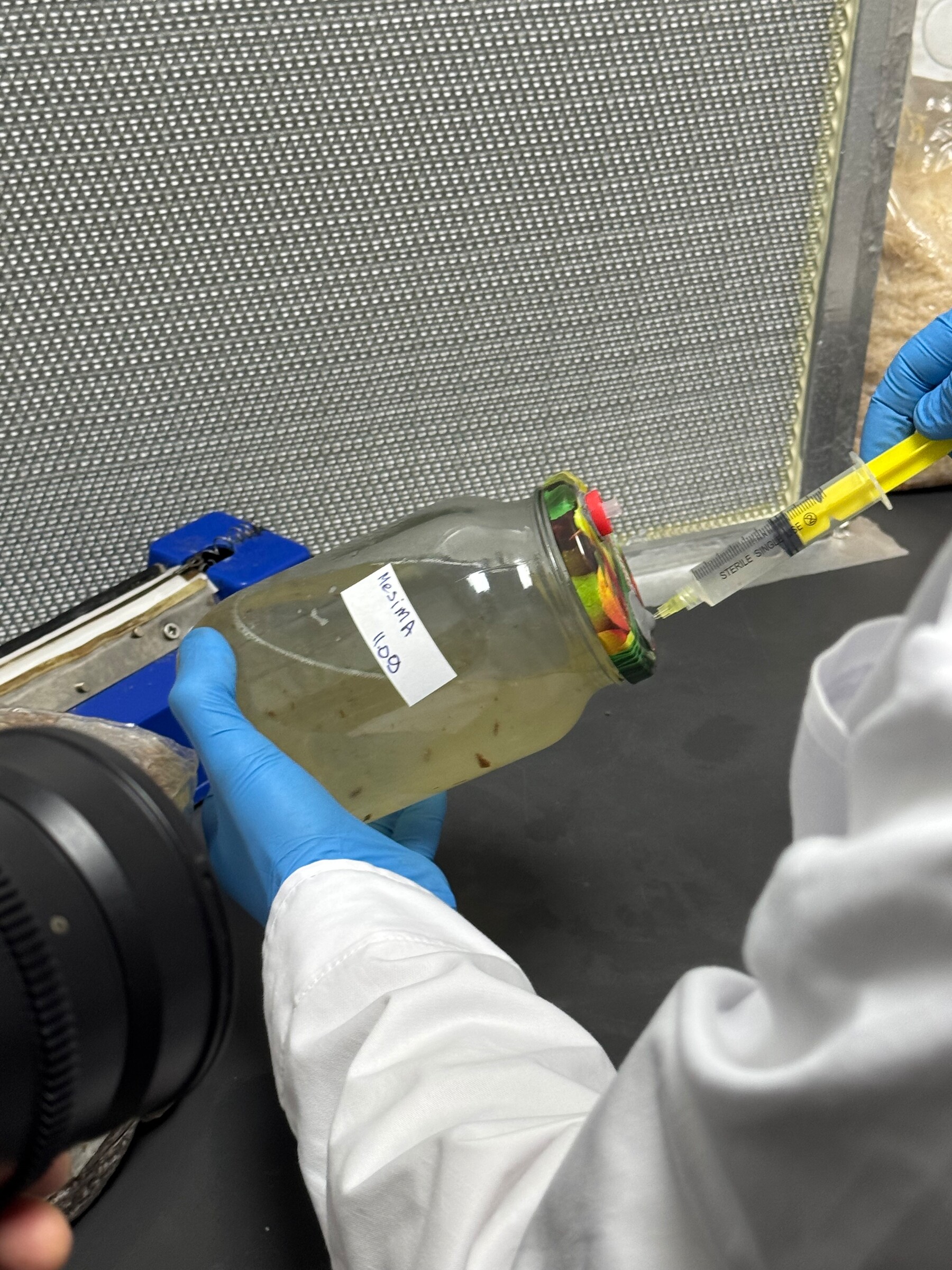
The culture is drawn off with 10–60 mL syringes with 16–18 G needles or with a peristaltic pump. Growers' dosing: 1–2 mL per jar of about 1 L, about 10 mL per 2.3 kg bag of grain (GroCycle).
Inoculation and incubation
Inoculate the liquid medium only with a checked pure culture: a piece of agar with mycelium or 1–2 mL of finished liquid culture (Rhizofunga). Spores are not suitable for this: they may carry mould spores and bacteria, a multispore culture is genetically heterogeneous, and it colonises more slowly (GroCycle). In laboratory protocols for H. erinaceus, 10–13% seed culture by volume of medium is added.
| Parameter | Growers | Studies on H. erinaceus |
|---|---|---|
| Temperature | 21–26 °C (Out-Grow) | 24–25 °C (Khurana et al., 2022) |
| Agitation | Shaking once a day or a stirrer; start after the first flakes of mycelium appear (growers' forums) | 110–150 rpm on a shaker |
| Duration | Growth visible in 4–7 days, ready in 7–14 days (growers' forums) | Seed culture — 7 days; biomass — 7–8 days |
| Acidity | Not controlled | Initial pH from 4.5 to 6.4 depending on the study |
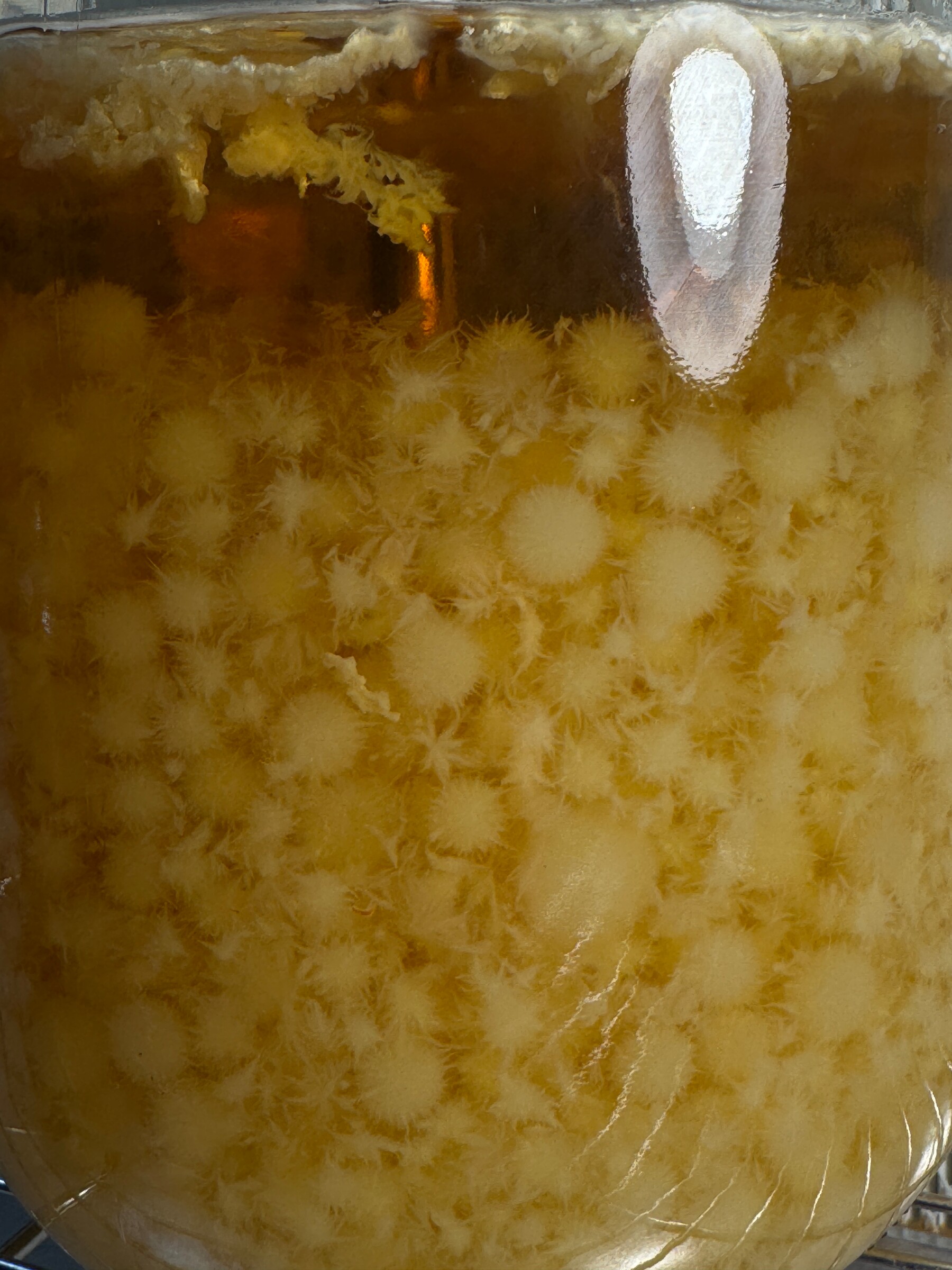
An ideal seed culture consists of many small pellets. In a trial with Pleurotus pulmonarius, the best inoculum had pellets of about 1.9 mm: such pellets provide enough growth points and do not suffer from a lack of oxygen inside (Song et al., 2026). Too much agitation does harm: in Ganoderma, 200–230 rpm damaged the mycelium, and the optimum was 150 rpm (Umar et al., 2023).
In lion's mane, the mycelium in liquid is fine, and it gathers into dense balls resembling pompoms; growth is visible in 3–7 days (Lykyn).
Extract producers should know about surfactant additives. Tween 80 at a concentration of 3–4% increased the biomass of H. erinaceus 1.8–2.2-fold (Okumura et al., 2021), but in another study polysorbate 80 with glucose reduced the content of erinacines A, C and P in the mycelium of most strains by 83–100% (Smith et al., 2025).
Checking before use
There is one mandatory test — plating on a Petri dish; the rest supplement it. We could not find a published quality-control standard specifically for liquid mushroom cultures, so the table has been compiled from growers' practice and general microbiological methods. Culture collections follow the principle that "no contamination is permitted" (UKNCC).
| Test | How to do it | Normal | Signs of a problem |
|---|---|---|---|
| Visual inspection | Examine the jar against the light without opening it | Clear solution, white flakes or clouds of mycelium | Uniform cloudiness, slime, coloured spots or a film, sediment, foam, gas (Gourmet Cultures) |
| Plating on a Petri dish | Three separate drops on agar, incubation at 21–24 °C. Wait at least 3–5 days (MycoPowered); forums advise a week, because mould shows up later than bacteria | Even radial growth of white mycelium from each drop | Slimy dots and patches, halos around a drop, coloured colonies |
| Plating on a bacterial medium | A streak on meat peptone agar, 25 °C, 2–3 days — this is how bacteria were isolated from contaminated mycelium (Gupta et al., 2020) | No growth | Any bacterial colonies |
| Microscopy | A drop of culture under a cover slip; Gram staining if needed (ASM) | Hyphae with clamp connections; in H. erinaceus the hyphae are 1.3–4.5 µm wide (Suleimenova et al., 2025) | Rods of about 2 × 0.5 µm, oval budding yeast cells (Thermo Fisher) |
| pH measurement | Record the pH of the medium before inoculation and compare it before use | A gradual change | A sharp drop in pH together with cloudiness is a sign of bacteria (Thermo Fisher) |
| Test jar of grain | Inoculate one jar of sterile grain and observe it (growers' forums) | Even colonisation | Wet grains, slime, odour, coloured mould |
| Dry biomass | Filter, rinse, dry at 60 °C to constant weight (Song et al., 2026) | In studies with H. erinaceus — from 9 to 20 g/L and more on rich media | Consistently lower biomass than in previous batches |
Two rules to go with the table. First: do not open a sterile jar to smell the culture — take a sample with a syringe through the port (Gourmet Cultures). Second: until the plate has shown clean growth, the culture is not put into use and is not used as inoculum for the next one.
For master spawn, identity is confirmed by sequencing the ITS region: in one study, Hericium strains were confirmed with a similarity of 99.53–99.84% (Gonkhom et al., 2022). We described how to find and check a strain in the article on finding a strain.
Storage
Finished liquid culture is stored in the fridge at 1–5 °C (Liquid Fungi) and never frozen (Gourmet Cultures). Before use, the culture is allowed to warm to room temperature (GroCycle) and is shaken well (Liquid Fungi). The exception is pink oyster: its cultures are not stored in the fridge (North Spore).
Sources differ on the shelf life, and we could not find peer-reviewed studies of the viability of liquid culture in the fridge.
| Source | Shelf life |
|---|---|
| GroCycle | 6–12 months, but best used within 1–2 months |
| North Spore | Up to 2 months |
| Field & Forest, lion's mane liquid culture | Use within 20 days |
| Patent JP2010200749A, liquid spawn for farms | 7–35 days at a temperature no higher than 10 °C |
Old culture performs worse: in shiitake, liquid mycelium that had been cultivated continuously for more than 50 days caused premature formation of fruiting bodies (Kawai et al., 1996). Liquid culture is not suitable for long-term storage of a strain — the strain is kept on an agar slant, and liquid culture is prepared for each cycle.
Sequence of steps
- Prepare a clear medium, for example 20 g of malt extract and 20 g of glucose per 1 L of water.
- Fill the vessel no more than ⅔ full, add a magnetic stir bar and close it with a lid with a port and a filter.
- Sterilise at 121 °C: 250 mL — 20–25 minutes, 1 L — 40–45 minutes; cool for at least 12 hours.
- Inoculate with a piece of agar from a checked pure plate or with 1–2 mL of checked liquid culture.
- Incubate at 24–25 °C with slow agitation for 7–14 days.
- Inspect the culture against the light: the solution should be clear and the mycelium white.
- Put three drops on a Petri dish and incubate for a week; if possible, look at a drop under a microscope.
- After a clean result, inoculate a test jar of grain, and then the working batch: 1–2 mL per jar of about 1 L or about 10 mL per 2.3 kg bag.
- Record the strain, medium, dates and test result, and store the remainder at 1–5 °C.
Sources
Scientific publications and reference pages:
- Malinowska E. et al. (2009). Improved simultaneous production of mycelial biomass and polysaccharides by submerged culture of Hericium erinaceum. Journal of Industrial Microbiology & Biotechnology, 36(12), 1513–1527.
- Huang D. et al. (2007). Nutritional Requirements for the Mycelial Biomass and Exopolymer Production by Hericium erinaceus CZ-2. Food Technology and Biotechnology, 45(4), 389–395.
- Jeong J.-H. et al. (2006). Optimization of Submerged Cultivation of Hericium erinaceum. KSBB Journal.
- Krzyczkowski W. et al. (2010). Erinacine A biosynthesis in submerged cultivation of Hericium erinaceum: Quantification and improved cultivation. Engineering in Life Sciences, 10(5), 446–457.
- Khurana S. et al. (2022). Optimization of vegetative growth conditions for submerged cultivation of edible medicinal mushroom Hericium erinaceus. Mushroom Research, 31(2), 171–180.
- Okumura R. et al. (2021). Effects of Tween series and agar additives on mycelia biomass and β-glucan production by Hericium erinaceus in submerged culture. Biomass Conversion and Biorefinery.
- Smith A. et al. (2025). Polysorbate 80 Differentially Impacts Erinacine Production Profiles in Submerged Cultures of Hericium. Molecules, 30(13), 2823.
- Shen T. et al. (2015). Production of cyathane type secondary metabolites by submerged cultures of Hericium erinaceus and evaluation of their antibacterial activity by direct bioautography. Fungal Biology and Biotechnology, 2, 8.
- Cerrone F. et al. (2024). Airlift bioreactor–based strategies for prolonged semi-continuous cultivation of edible Agaricomycetes. Applied Microbiology and Biotechnology, 108, 377.
- Dong H. T. et al. (2026). Mushroom Spawn and Its Effects on Mushroom Growth and Development: A Systematic Review. Agronomy, 16(3), 391.
- Song J. et al. (2026). Screening and Quality Evaluation of Submerged Culture Media Formulations for Pleurotus pulmonarius. Journal of Fungi, 12(5), 310.
- Abdullah N. et al. (2013). Production of liquid spawn of an edible grey oyster mushroom, Pleurotus pulmonarius, by submerged fermentation and sporophore yield on rubber wood sawdust. Scientia Horticulturae, 161, 65–69.
- Lin H. et al. (2025). Analysis of Microbial Community Structure and Cultivation Performance Assessment in Tremella fuciformis Liquid Inoculum. Journal of Fungi, 11(12), 825.
- Bakratsas G. et al. (2021). Recent trends in submerged cultivation of mushrooms and their application as a source of nutraceuticals and food additives. Future Foods, 4, 100086.
- Kawai G. et al. (1996). Effect of liquid mycelial culture used as a spawn on sawdust cultivation of shiitake (Lentinula edodes). Mycoscience, 37, 201–207.
- Umar A. et al. (2023). Agitation role (Dissolved Oxygen) in production of laccase from newly identified Ganoderma multistipitatum sp. nov. and its effect on mycelium morphology. BMC Microbiology.
- Gonkhom D. et al. (2022). Optimal conditions for mycelial growth of medicinal mushrooms belonging to the genus Hericium. Mycological Progress, 21, 82.
- Suleimenova Z. et al. (2025). Hericium erinaceus: Combining traditional uses with modern biotechnology to develop nutraceuticals. Biosystems Diversity, 33(3), e2535.
- Gupta S. et al. (2020). Management of contaminants in mushroom spawn. Indian Journal of Agricultural Sciences, 90(5), 1000–1003.
- UKNCC. Biological resource: properties, maintenance and management.
- ASM. Gram stain protocols; Thermo Fisher. Biological contamination.
- Patent JP2010200749A.
Growers' and equipment manufacturers' websites:
- GroCycle. How to make liquid culture; Liquid culture vs spore syringe.
- Rhizofunga. Liquid culture tek recipe.
- Lamycosphere. Culture liquide de mycélium.
- Out-Grow. How to make liquid culture; Thick Cultures. Guide to mushroom liquid culture.
- Lykyn. Lion's mane mushroom liquid culture.
- MycoPowered. How to test liquid culture.
- Gourmet Cultures. Signs of contamination in liquid culture.
- Liquid Fungi. Top mistakes to avoid; North Spore. Storage; Field & Forest. Lion's mane liquid culture.
- Equipment: Midwest Grow Kits; Joconn; Satrise; Fermentor China; Made-in-China.
- Amateur growers' forums: discussions of recipes, magnetic stirrers, stirring speed, GL45 bottles, compressor aeration and culture testing, marked in the text as "growers' forums".
Related mushrooms
Materials for growing
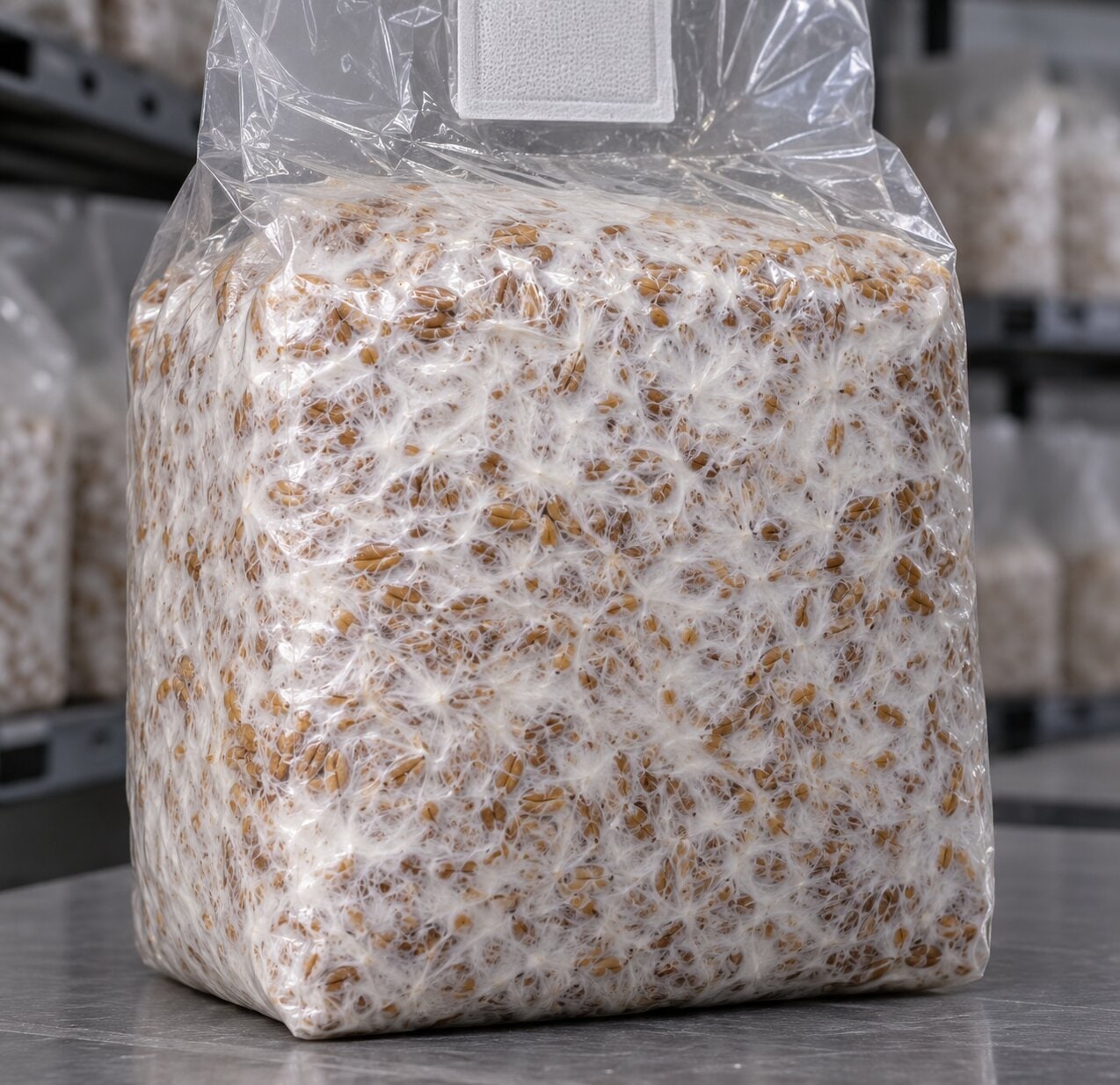
Master grain spawn — 5 kg bag
GREEBZ master grain spawn of the chosen culture. A pure culture on sterile grain substrate. Available in a choice of cultures — list the ones you need in your request. Master spawn is intended for further propagation and the production of production spawn. Grown from a pure culture under sterile laboratory conditions. Specifications - Format: grain spawn in a filter bag (grow bag), 5 kg - Substrate: sterile grain - Producer: GREEBZ
Made by us
On request
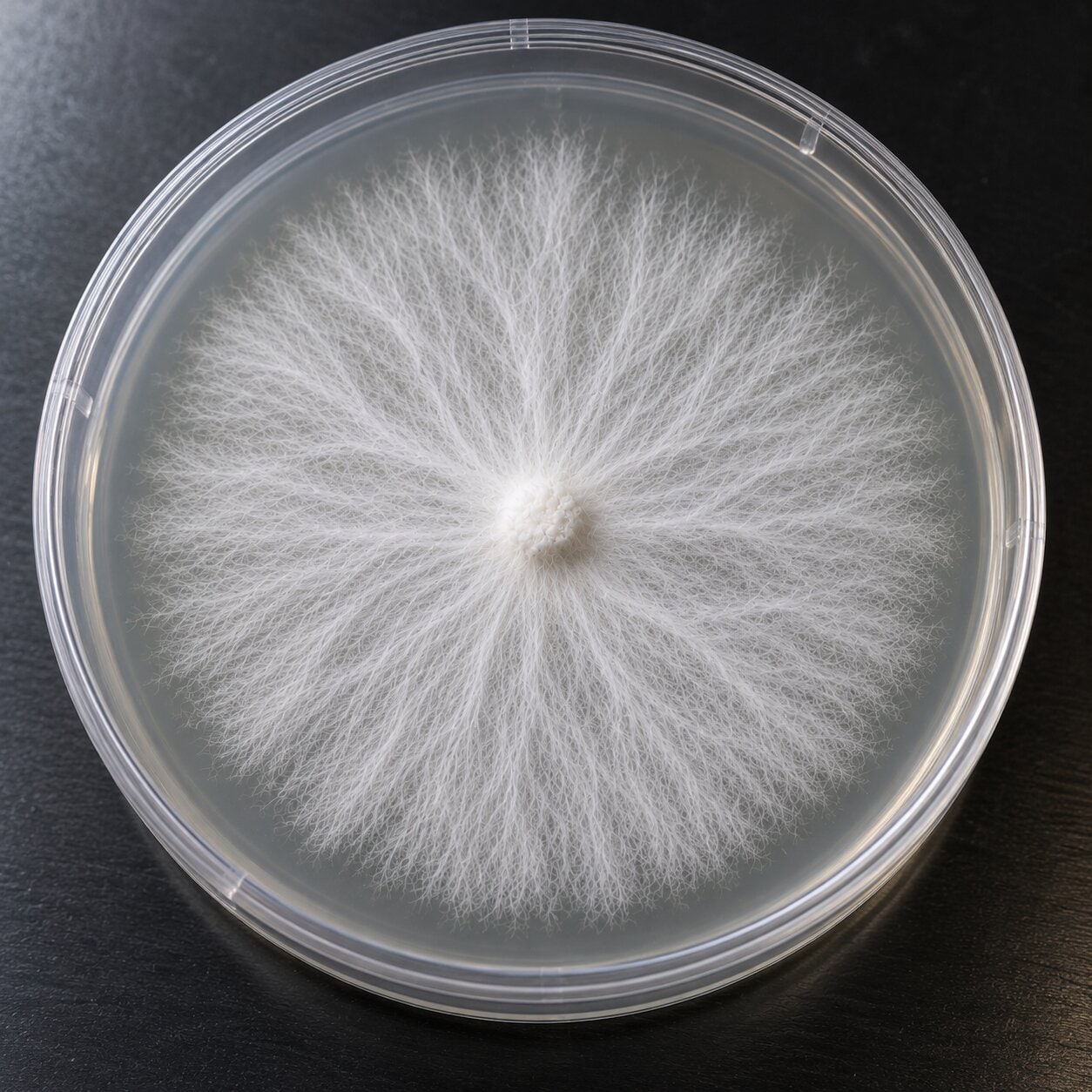
Pure mushroom culture — Petri dish
Pure GREEBZ mushroom cultures on a sterile agar nutrient medium. Available in a choice of cultures — list the ones you need in your request. Pure mushroom cultures grown under laboratory conditions on a sterile agar nutrient medium in Petri dishes. They are intended for further propagation of the culture, transfer to fresh nutrient medium and the production of grain spawn. One chosen culture = one Petri dish. Specifications - Format: pure culture on a sterile agar nutrient medium in a Petri dish - Producer: GREEBZ
Made by us
On request
Liquid culture — 10 ml Luer Lock syringe
Pure GREEBZ mushroom liquid cultures. Available in a choice of cultures — list the ones you need in your request. The liquid culture is grown from a pure culture under sterile laboratory conditions. It is intended for inoculating grain substrate and producing grain spawn. Specifications - Format: liquid culture in a sterile Luer Lock syringe, 10 ml - Producer: GREEBZ
Made by us
On request
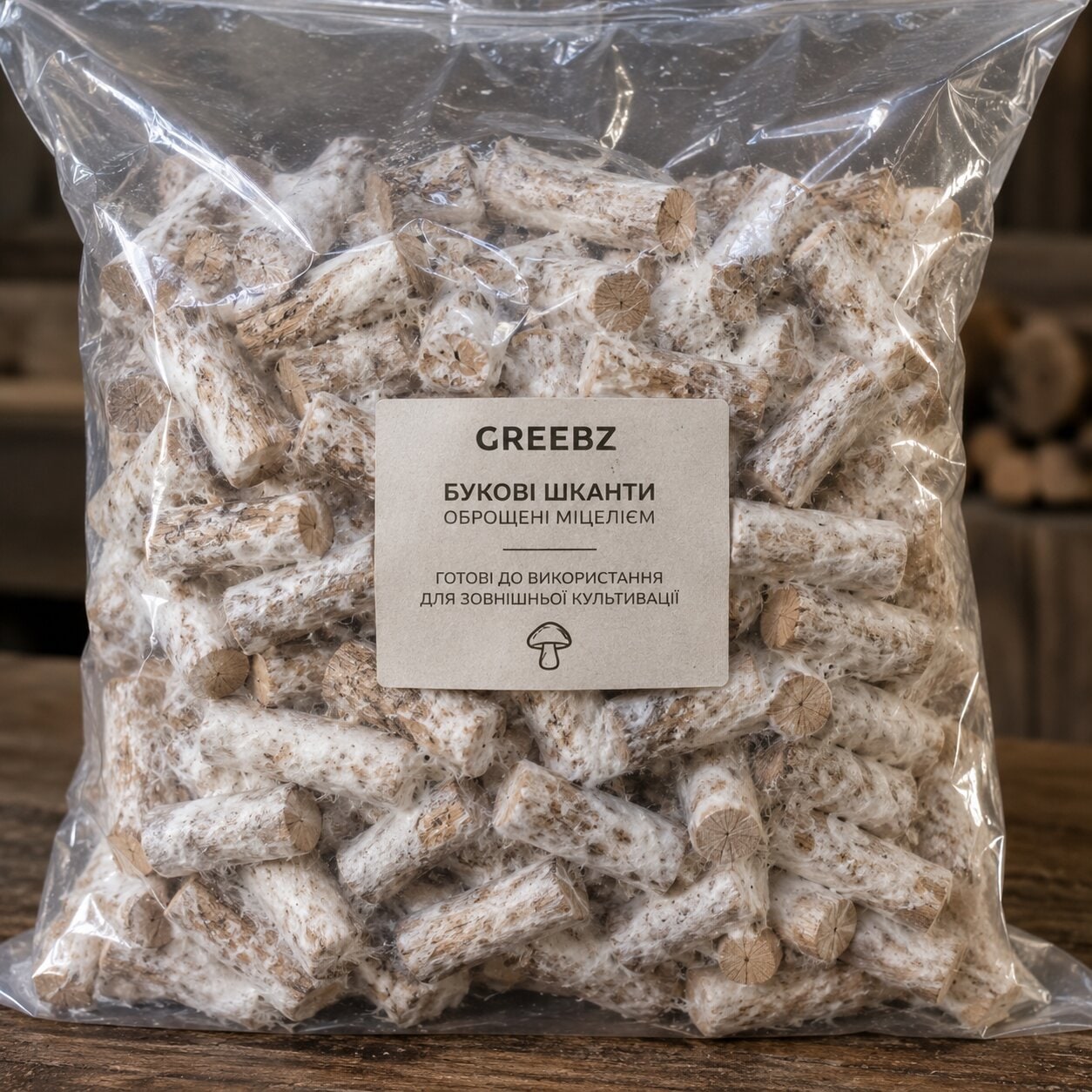
Beech plug spawn colonised with mycelium
Beech dowels colonised with the mycelium of the chosen culture. Ready to use for growing mushrooms outdoors on wood. Pack of 250–300 g. Available in a choice of cultures — list the ones you need in your request. One chosen culture = one pack of dowels. What's included - Beech dowels colonised with the mycelium of the chosen culture Important: wax and cotton wadding are not included. What you'll need for inoculation For working with the dowels we also recommend preparing: - Wax — to seal the holes after inserting the dowels. It closes the inoculation site and protects it from drying out and from the outside environment. - Cotton wadding — can be used for extra treatment and closing of the prepared holes. You will also need: - a drill; - a drill bit of the right diameter for the dowel; - a tool for inserting the dowels; - wood suitable for cultivation. Wax, cotton wadding and tools are bought separately. Specifications - Format: beech dowels colonised with the mycelium of the chosen culture - Pack weight: 250–300 g - Producer: GREEBZ
Made by us
On request
Other entries
Need help with your process?
Describe what's happening, even if you don't know the cause. We'll work it out together.