Finding a strain: where and how to get a mushroom culture
Strains of one species differ in growth rate, yield and content of compounds. Where to look for a culture, what to ask the seller and how to check what you receive.
Author: Volodymyr Sobol
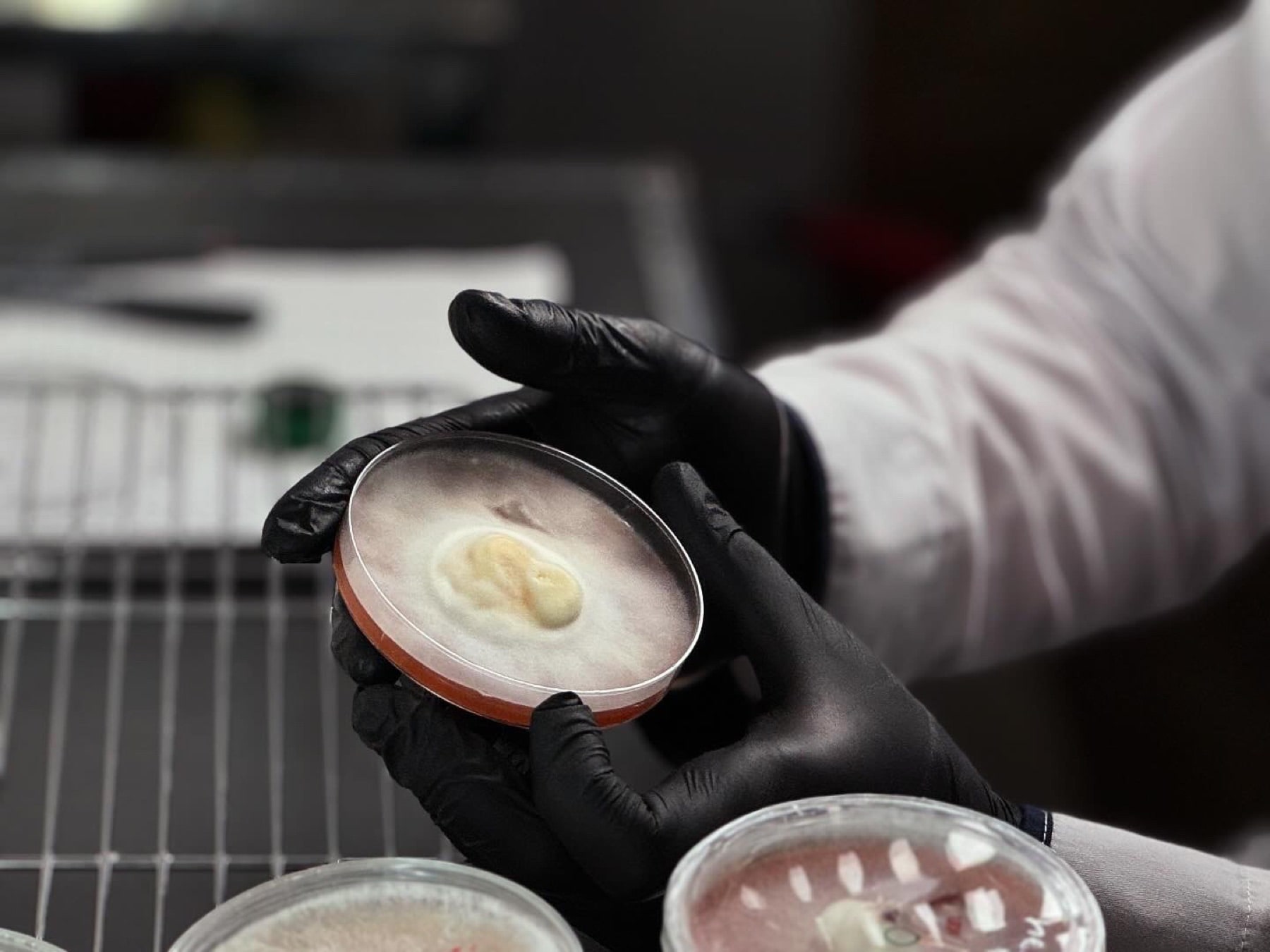
The work begins with finding a strain. This is the most important step: strains of the same species differ in growth rate, yield and content of biologically active compounds, so the choice of culture decides whether you can plan production at all. If what arrives is not what you ordered, enthusiasm and inspiration quickly fade — and often the cause is a dishonest seller.
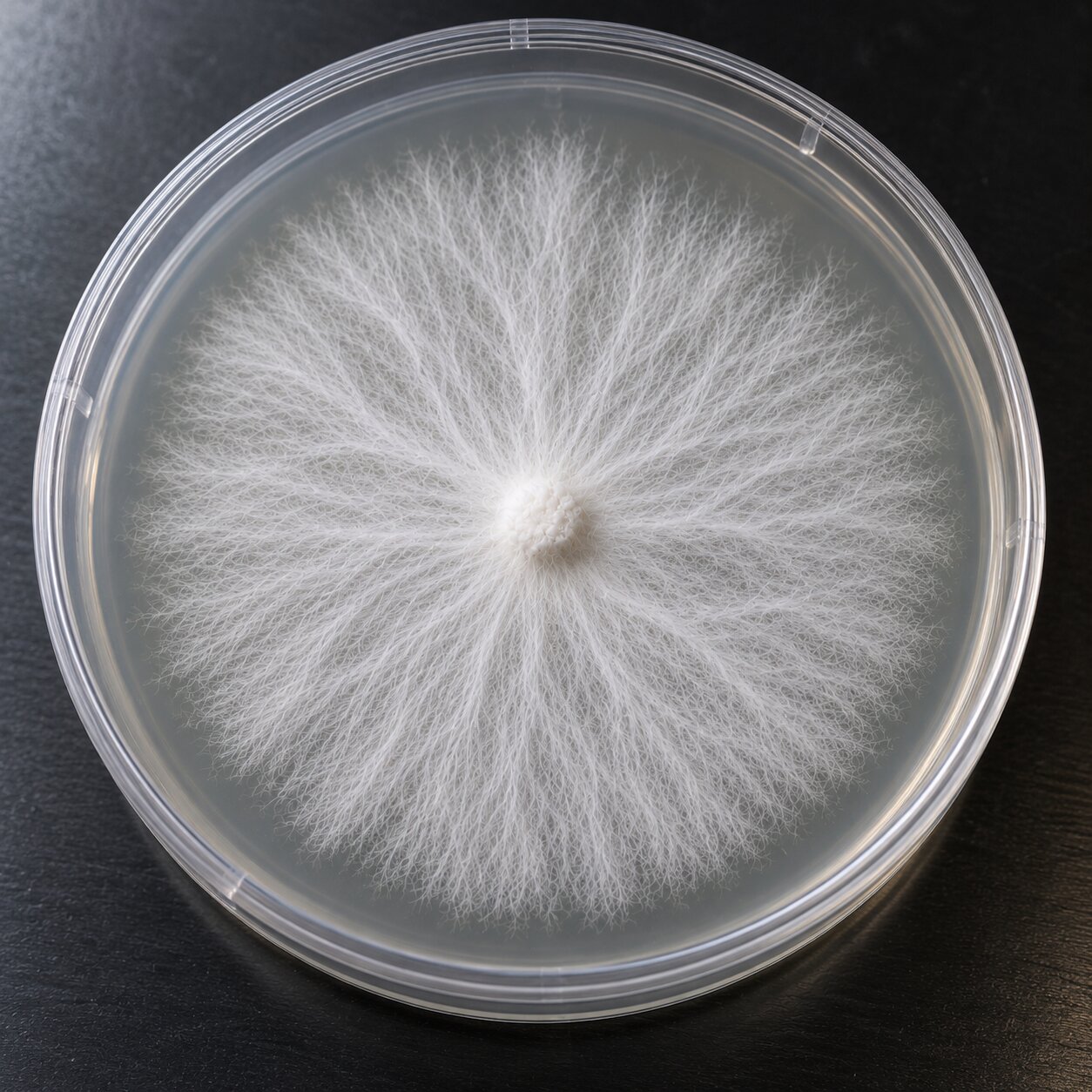
What a strain is and why it matters
A strain is a pure culture of a fungus obtained from a single source and maintained separately from others. In a collection it has its own number, for example IBK 977. The species determines which mushroom it is; the strain determines how exactly it will behave on your substrate.
For lion's mane (Hericium erinaceus), differences between strains have been shown in several studies.
| Trait | What was found | Source |
|---|---|---|
| Mycelial growth rate | Up to 6 mm per day depending on strain and medium; some strains grow more slowly | Suleimenova et al., 2025 |
| Growth and yield | Of three strains, "D9" grew fastest, but "H1" and "D5" gave a higher yield | Siwulski et al., 2009 |
| Erinacine A content in mycelium | Varies greatly between strains; the maximum is 42.16 mg/g in the wild strain HeG | Liu et al., 2024 |
| Purpose | Some strains are better suited for producing mycelium, others for fruiting bodies | Corana et al., 2019 |
The practical conclusion: fast mycelial growth does not guarantee a high yield, and the strain for an extract and the strain for fresh mushrooms may be different.
Search in Latin
Search for a culture by the Latin name of the species, not by its Ukrainian or English name: not "yizhovyk hrebinchastyi" or "lion's mane", but Hericium erinaceus. The Latin name is the same in every country, so the search leads straight to collection catalogues, institutes and specialised producers.
The second reference point is the strain number. Collections label every culture with one, so ask the seller for it too: a species name without a strain number tells you nothing about what exactly you are buying.
Institutes and culture collections
A reliable source is a scientific institution with its own culture collection. You can contact it directly and obtain a culture both for research and for commercial purposes.
In Ukraine, one such institution is the M. G. Kholodny Institute of Botany of the National Academy of Sciences of Ukraine, with its Mushroom Culture Collection (IBK). Similar collections also exist at institutes abroad.
The IBK collection holds 1340 strains of 265 species of basidiomycete and ascomycete fungi. Since 2001 it has had the status of a scientific object constituting the national heritage of Ukraine, and it is registered in the World Directory of Collections of Cultures of Microorganisms (WDCM) under number 1152 (collection description on GBIF). Lion's mane strains from this collection, in particular IBK 977 and IBK 991, are used in scientific work (Suleimenova et al., 2025).
For commercial work — specialised producers
If you are preparing for commercial cultivation, look for a farm, grower or company that specialises in strains. Or one that works specifically with the mushrooms you are interested in.
Pay attention to narrowly specialised operations and growers who always have fresh culture and can show results.
Before buying, ask the seller four questions:
- where the strain comes from and what its number or line name is;
- when the culture was last subcultured and how many subcultures it has gone through since the original;
- how it is stored;
- what fruiting results it gave in the last cycle — timing, yield, photos.
Why not big shops
Big shops with hundreds of listings are a worse choice. In my experience, most cultures there are kept for a long time without being grown: they sit there like exhibits.
Over time such cultures give poor results in cultivation. And with an unpredictable culture it is impossible to plan production.
In the scientific literature this phenomenon is called strain degeneration: the decline or loss of economically valuable traits as a result of successive subculturing (Pérez et al., 2021). Maintaining a culture by subculturing is labour-intensive, vulnerable to contamination and does not prevent genetic and physiological changes during long-term storage (Homolka, 2014).
The mechanism has been studied in other cultivated species. In oyster mushroom (Pleurotus ostreatus), DNA breaks accumulate in subcultured mycelium, and degenerated strains have lower stress tolerance, lower yield and altered fruiting times (Zhu et al., 2020). In Volvariella volvacea, growth rate, biomass and biological efficiency fell as the number of subcultures increased, and strains after 13–20 months of continuous subculturing lost the ability to fruit altogether (Zhao et al., 2022).
Collections keep this process under control. In the IBK collection, cultures are stored at 4 ± 1 °C with regular subculturing, selection of nutrient media and microscopic quality control (collection description on GBIF). After 10 years of cryopreservation in liquid nitrogen, 30 basidiomycete strains retained their viability and morphology, and sequencing of eight of them revealed no genetic changes (Homolka et al., 2010).
So the problem is not storage as such, but uncontrolled subculturing without checking by fruiting. The data cited were obtained on other species; carrying the conclusion over to lion's mane is an assumption, one that agrees with my experience.
How much a culture costs
Once you have found a culture by its Latin name, look at the price. In a specialised shop or institute it costs from 100 dollars. From local hobby growers — from 10 to 60 dollars.
How to check the culture you receive
A culture is checked before you use it to inoculate a production batch. The minimum protocol is six steps.
- Passport. Record the Latin species name, strain number, source and date of the last subculture.
- Purity. Subculture onto an agar medium and make sure it contains no bacteria or mould.
- Growth. Measure the colony growth rate at 25 °C — the temperature at which H. erinaceus strains grew best in the study by Gonkhom et al., 2022. As a guide, up to 6 mm per day depending on strain and medium (Suleimenova et al., 2025). The value you get becomes the baseline for your culture.
- Identification. If there is any doubt about the species, order sequencing of the ITS region — the primary DNA barcode of fungi (Schoch et al., 2012).
- Trial fruiting. Grow a small trial batch before scaling up and record the timing and yield.
- Your own reserve. Straight away, put several copies of the original culture into storage and work with the minimum number of subcultures. For Auricularia heimuer, for example, the authors advise not exceeding 20 subcultures (Han et al., 2026).
Order of steps
- Identify the species and search for it by its Latin name and strain number.
- Contact an institute with a culture collection.
- For a commercial start, find a specialised farm, grower or company with fresh culture and results.
- Avoid big shops with hundreds of listings.
- Check the price: from 100 dollars at an institute or specialised shop, 10–60 dollars from local growers.
- Check the culture you receive: purity, growth rate, trial fruiting.
- Put a reserve of the original culture into storage and limit the number of subcultures.
Sources
-
- Suleimenova Z., Lomberg M., Bisko N. et al. (2025). Hericium erinaceus: Combining traditional uses with modern biotechnology to develop nutraceuticals. Biosystems Diversity, 33(3), e2535.
-
- Siwulski M., Sobieralski K., Wojniłowicz M. (2009). Comparison of mycelium growth and yielding of selected strains of Hericium erinaceus (Bull.: Fr.) Pers. on sawdust substrates with the glucose addition. Herba Polonica, 55(3), 266–272.
-
- Liu M. et al. (2024). Isolation and Evaluation of Erinacine A Contents in Mycelia of Hericium erinaceus Strains. Foods, 13(11), 1649.
-
- Corana F. et al. (2019). Array of Metabolites in Italian Hericium erinaceus Mycelium, Primordium, and Sporophore. Molecules, 24(19), 3511.
-
- IBK Mushroom Culture Collection. Description of the collection of the M. G. Kholodny Institute of Botany of the National Academy of Sciences of Ukraine on GBIF.
-
- Pérez G. et al. (2021). Strain Degeneration in Pleurotus ostreatus: A Genotype Dependent Oxidative Stress Process. Journal of Fungi, 7(10), 862.
-
- Homolka L. (2014). Preservation of live cultures of basidiomycetes — recent methods. Fungal Biology, 118, 107–125.
-
- Zhu W. et al. (2020). Label-Free Proteomics Reveals the Molecular Mechanism of Subculture Induced Strain Degeneration in Pleurotus ostreatus. Molecules, 25(21), 4920.
-
- Zhao F. et al. (2022). Successive mycelial subculturing decreased lignocellulase activity and increased ROS accumulation in Volvariella volvacea. Frontiers in Microbiology, 13, 997485.
-
- Homolka L. et al. (2010). Effect of long-term preservation of basidiomycetes on perlite in liquid nitrogen on their growth, morphological, enzymatic and genetic characteristics. Fungal Biology, 114, 929–935.
-
- Gonkhom D. et al. (2022). Optimal conditions for mycelial growth of medicinal mushrooms belonging to the genus Hericium. Mycological Progress, 21, 82.
-
- Schoch C. L. et al. (2012). Nuclear ribosomal internal transcribed spacer (ITS) region as a universal DNA barcode marker for Fungi. PNAS, 109(16), 6241–6246.
-
- Han C. et al. (2026). Analysis of the Subculture Effect on the Auricularia heimuer Strain 'HWS1908' Based on Transcriptome. Journal of Fungi, 12(6), 437.
Related mushrooms
Materials for growing

GREEBZ functional mushroom extract set
A gift set of three GREEBZ functional mushroom liquid extracts in a branded box. The set includes extracts of lion's mane, Cordyceps militaris and reishi. What's in the set - Lion's mane — liquid extract - Cordyceps militaris — liquid extract - Reishi — liquid extract
Made by us
On request
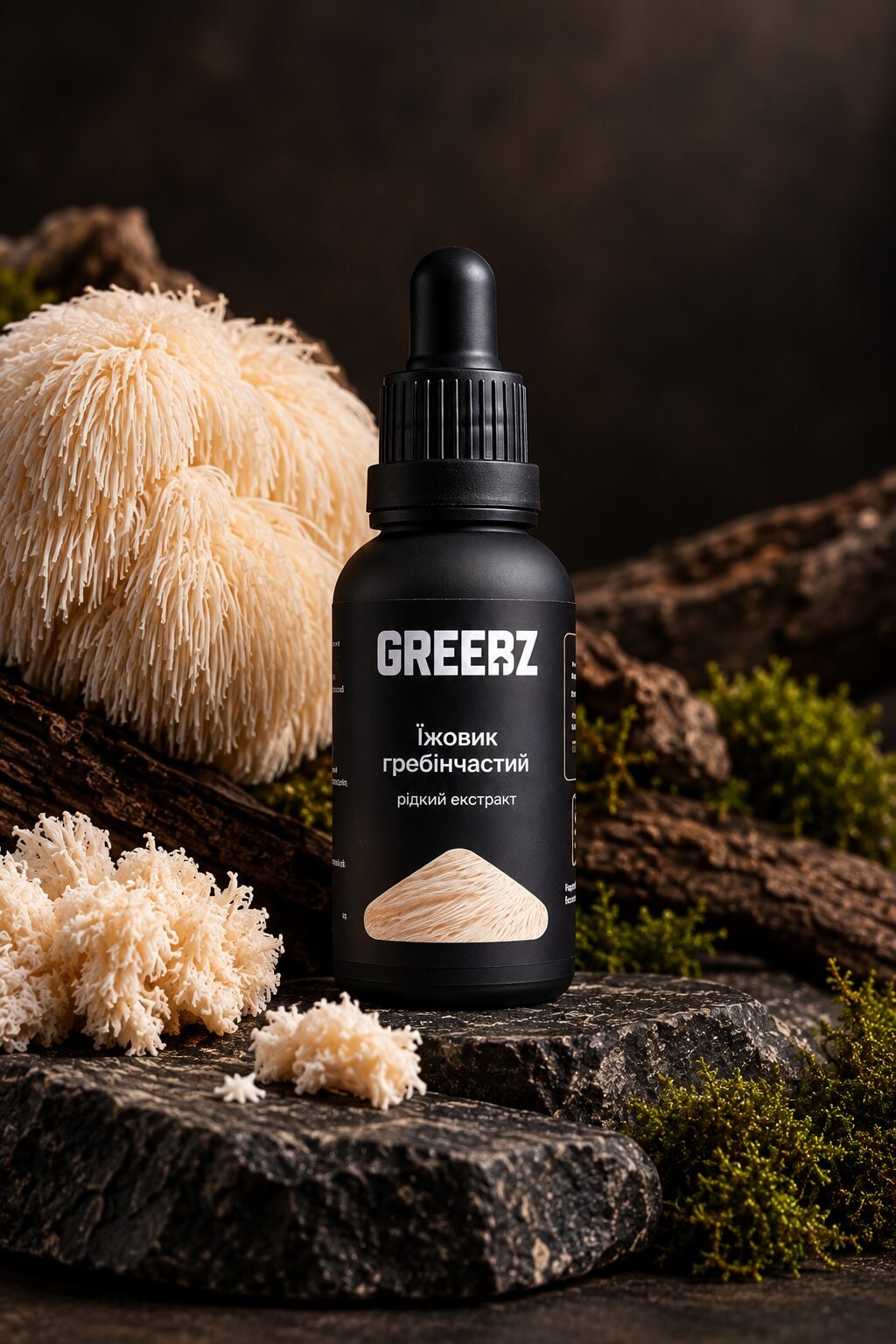
Lion's mane — GREEBZ liquid extract
A 30% liquid extract of lion's mane (Hericium erinaceus) from GREEBZ's own production. We use controlled mushroom raw material from our own production. Extraction is carried out in a Soxhlet apparatus, followed by vacuum concentration. Hericium erinaceus is studied as a source of various groups of fungal compounds. Whether specific compounds are present in the finished product, and in what amounts, requires separate laboratory analysis. Specifications - Species: Hericium erinaceus - Concentration: 30% - Method: Soxhlet extraction followed by vacuum concentration - Format: liquid extract in a dropper bottle - Volume: 30 ml - Producer: GREEBZ
Made by us
On request
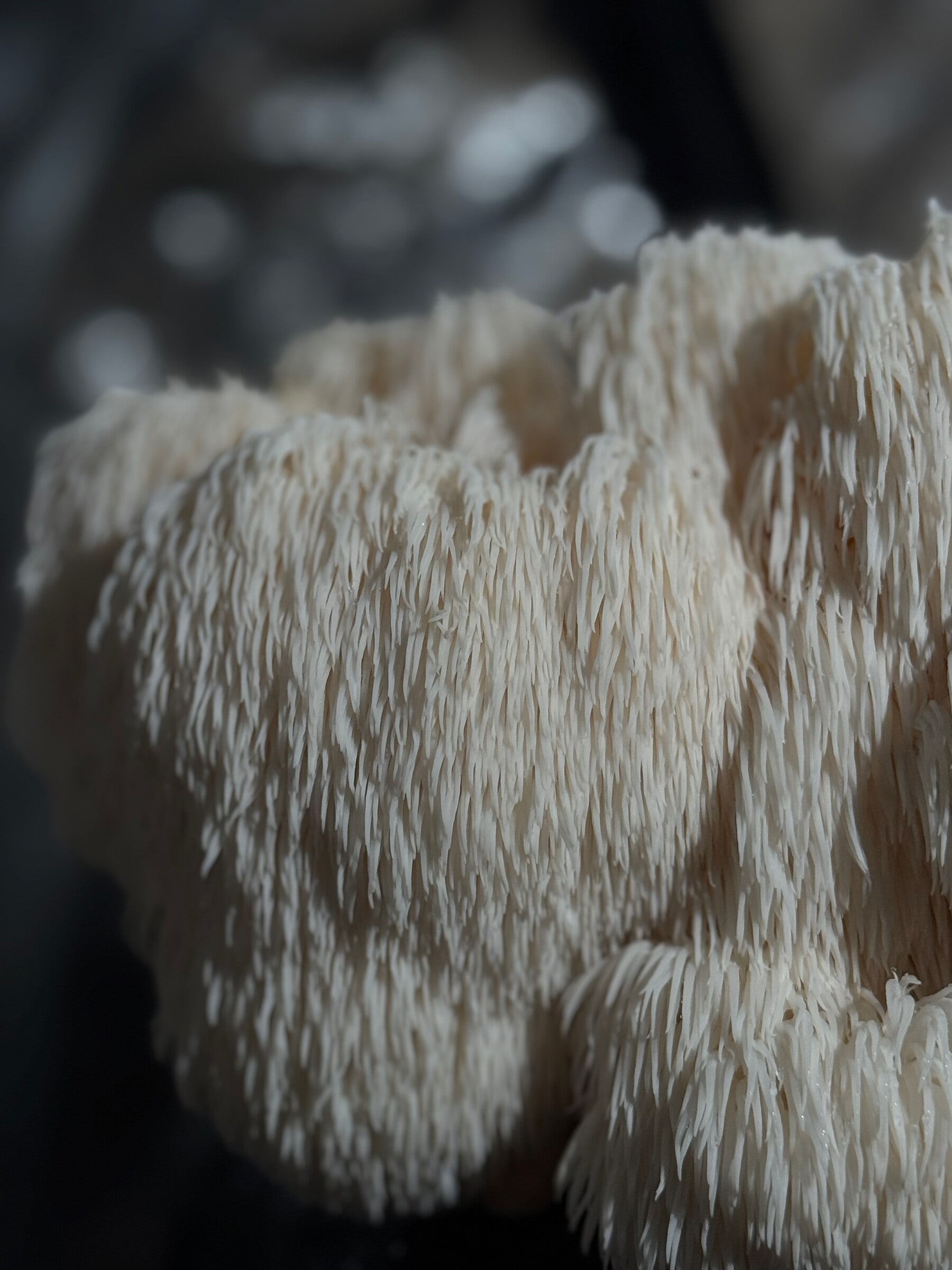
Fresh lion's mane
Fresh lion's mane (Hericium erinaceus) fruiting bodies grown by GREEBZ. Fresh lion's mane grown under controlled conditions in GREEBZ's own production. The product is supplied fresh after harvest. Specifications - Format: fresh fruiting bodies - Unit of sale: 1 kg - Producer: GREEBZ
Made by us
On request
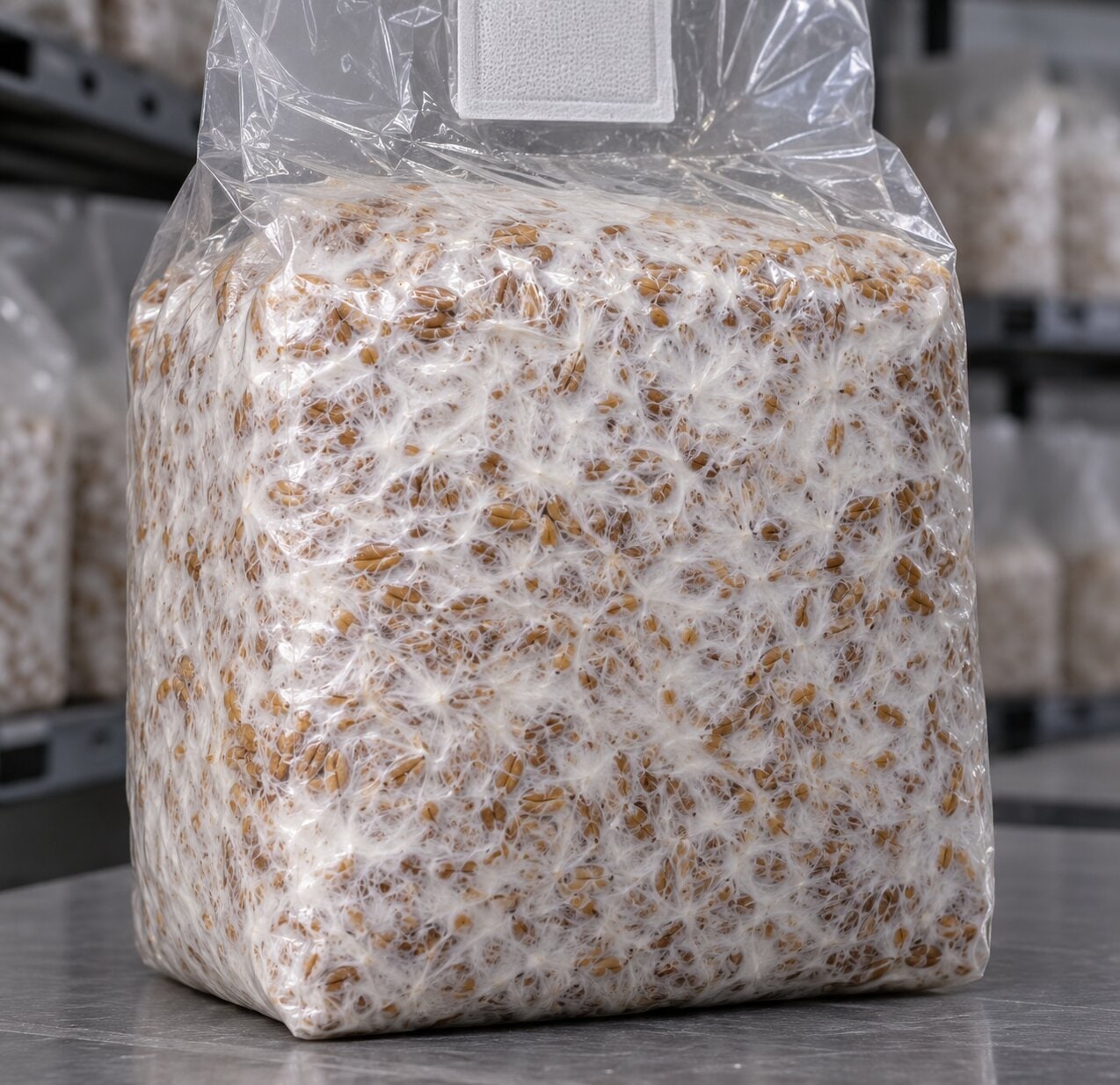
Master grain spawn — 5 kg bag
GREEBZ master grain spawn of the chosen culture. A pure culture on sterile grain substrate. Available in a choice of cultures — list the ones you need in your request. Master spawn is intended for further propagation and the production of production spawn. Grown from a pure culture under sterile laboratory conditions. Specifications - Format: grain spawn in a filter bag (grow bag), 5 kg - Substrate: sterile grain - Producer: GREEBZ
Made by us
On request
Other entries
Need help with your process?
Describe what's happening, even if you don't know the cause. We'll work it out together.