Choosing a substrate supplier: sawdust, pellets, supplements
What substrate for lion's mane and other wood-decaying mushrooms is made of, how to choose sawdust, pellets and bran, documents to request, which contaminants are dangerous, how to check each batch.
Author: Volodymyr Sobol
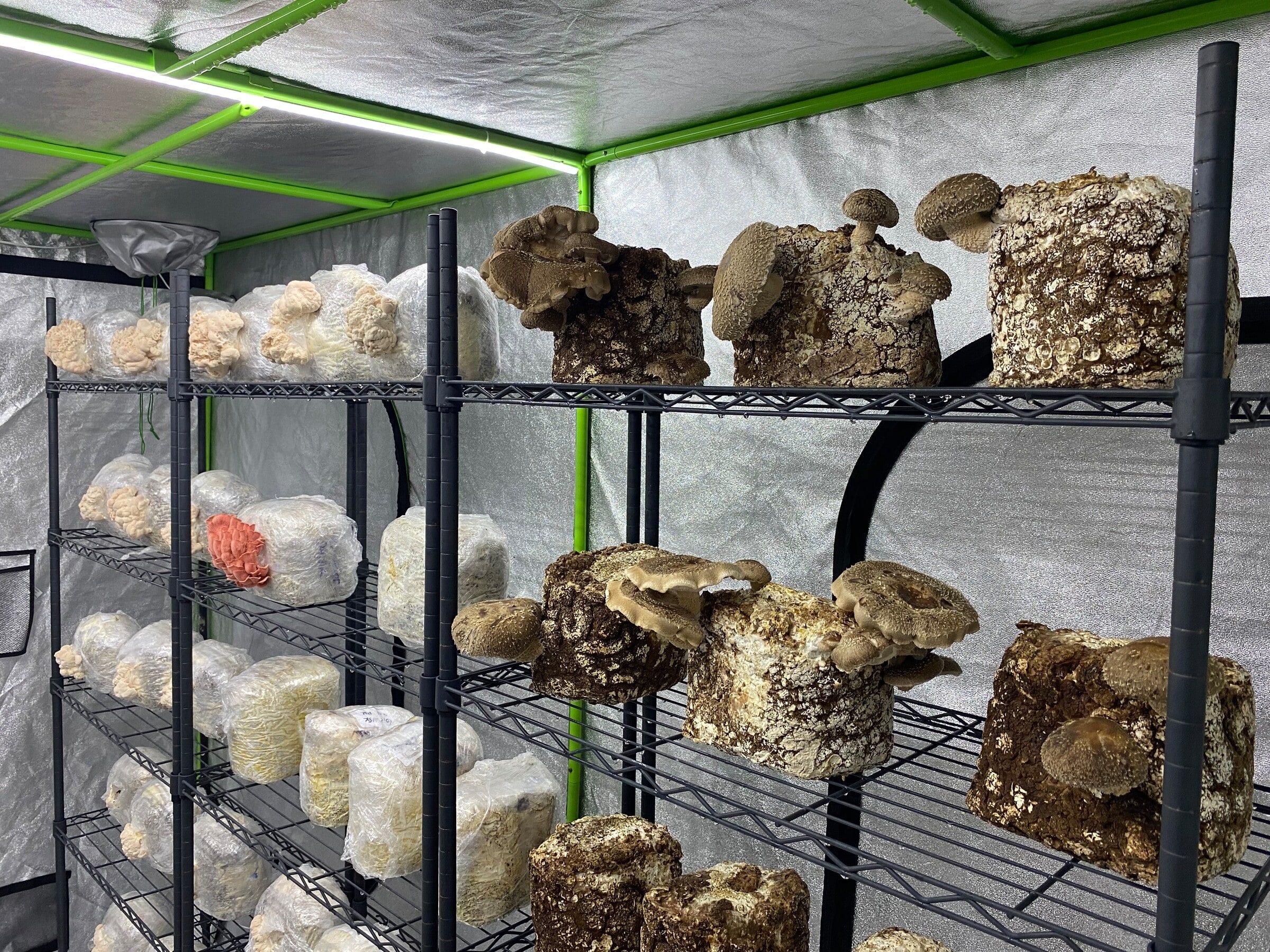
The substrate is everything the mushroom will eat over a cycle: the wood it takes carbon from and the supplements it takes nitrogen from. The composition of the substrate determines the speed of colonisation, the yield and the share of contaminated blocks. The purity of the raw materials determines the safety of the mushroom: the fruiting body accumulates whatever was in the wood and the bran.
A recipe can be worked out once. The raw materials arrive new every time, and they are what decides whether the result will be repeated. Sawdust from a different species, pellets with an admixture of softwood, or bran that has caked in the warehouse change a batch more than any adjustment to the recipe. This article covers what the substrate for wood-decaying mushrooms consists of, above all for lion's mane (Hericium erinaceus), what to look for when choosing a supplier of sawdust, pellets and supplements, which documents to ask for and what to check in every batch.
What the substrate consists of
The substrate for wood-decaying mushrooms has three components plus water. Each component is bought from a different supplier, and the requirements for them differ.
| Component | What it gives the mushroom | Raw material | Typical share of the dry mix | Where it is bought |
|---|---|---|---|---|
| Base | carbon: cellulose, hemicellulose, lignin | hardwood sawdust, fuel pellets, wood chips, straw, sunflower husks | 60–90% | sawmill, pellet producer |
| Nitrogen supplement | nitrogen, readily available carbohydrates | wheat bran, soybean hulls, rice bran | 10–30%, in some recipes up to 50% | mill, compound feed warehouse |
| Mineral supplement | calcium, stable pH, structure | gypsum, chalk | 1–2%, for shiitake up to 10% | farm supply shops, feed warehouses |
| Water | — | — | to a moisture content of 60–65% | — |
The shares are taken from the recipes given below; this is the range of published variants, not a recommendation.
Why the base alone is not enough
Wood contains almost no nitrogen. In the experiment by Atila (2019), oak sawdust contained 0.39% nitrogen with a carbon-to-nitrogen ratio of 138.6. On oak sawdust alone, lion's mane gave a biological efficiency of 27.8%, and with 20% grape pomace, which raised nitrogen to 0.77% and lowered the ratio to 69.4, it gave 64.3% (Atila, 2019). Biological efficiency is the mass of fresh mushrooms as a percentage of the mass of dry substrate.
Supplements are five to seven times richer in nitrogen.
| Raw material | Crude protein, % of dry matter | Nitrogen, % (calculated) |
|---|---|---|
| Wheat bran | 17.3 (14.1–20.5) | ≈ 2.8 |
| Rice bran | 14.8 (11.5–18.3) | ≈ 2.4 |
| Soybean hulls | 13.1 (9.5–18.6) | ≈ 2.1 |
| Wheat straw | 4.2 (2.6–6.0) | ≈ 0.7 |
| Oak sawdust | — | 0.39 |
Source of the protein data: the Feedipedia database (wheat bran, rice bran — full-fat, with 4–11% fibre, soybean hulls, straw). Nitrogen was calculated by dividing protein by 6.25; these figures are not in the source. The range in brackets matters: protein in bran from different batches differs by almost one and a half times, which means the same recipe with different bran gives a different substrate.
Carbon-to-nitrogen ratio
We could not find an optimal ratio for lion's mane in the literature. For shiitake, 30–35 : 1 is given, with a suitable range of 25–55 : 1; for oyster mushroom, 45–55 : 1 with a range of 40–90 : 1 (Zied et al., 2011). In another study by Atila (2019), the colonisation time of lion's mane increased together with this ratio and with lignin content, and biological efficiency increased together with lignin content (Atila, 2019, Scientia Horticulturae).
The base: wood and its substitutes
Wood species
In studies, lion's mane is most often grown on oak and beech sawdust.
| Base | Supplement | Biological efficiency | Source |
|---|---|---|---|
| Oak | 20% rice bran | 26–70% in four Hericium species | Ko et al., 2005 |
| Oak | 20% wheat bran (control), cottonseed hulls, olive cake | 22.3–44.4% in four isolates | Atila et al., 2018 |
| Oak and beech mix | 20% wheat bran; variants with other supplements | up to 80.6 ± 3.7% with soybean hulls | Jozífek et al., 2025 |
| Oak without supplements | — | 37.3%, the highest of the six bases in the experiment | Atila, 2019, Scientia Horticulturae |
| Poplar | 20% wheat bran | worse than on wheat straw with the same bran; incomplete colonisation | Sholyavei, Mishra, 2020 |
| Hevea (rubber tree) | maize cobs, rice bran (3 : 1 : 1) | 42.61% | Chutimanukul et al., 2023 |
| Bamboo | the same | 14.47% | ibid. |
We could not find a direct comparison of oak, beech, alder and birch for lion's mane in a single experiment. There is an old German comparison of beech and ash: the highest yield, 254.3 g per kilogram of substrate, came from fine beech sawdust with 20% wheat bran (Ehlers and Schnitzler, 2000; only the abstract is available).
Growers name a wider list. GroCycle recommends beech, elm, oak, maple and birch with 10–20% wheat bran for lion's mane (GroCycle). Nina Bisko, writing in the magazine "Horodnyk", lists for shiitake "oak, maple, beech, alder, birch, willow, poplar, aspen" and states plainly: "Softwood sawdust should not be used" (article).
Why not softwood
Softwood contains resins and terpenes that inhibit fungi.
- In southern yellow pine, extractives make up 3–9% of dry mass. On untreated pine chips, maitake, lion's mane and oyster mushroom "did not grow or grew poorly". After other fungi had removed 70–99.9% of the extractives, several oyster mushroom species, maitake and lion's mane fruited on these chips (Croan, 2004).
- Composting lowers the terpenoid content of Masson pine sawdust: from 3.89% to 2.10% in 30 days and to 0.31% in 60 days. According to data cited by the authors, adding 0.1% turpentine to hardwood sawdust stopped the mycelium from starting to grow (Zhang and Ying, 2019).
For the buyer, two conclusions follow. Even a small admixture of softwood in hardwood sawdust can do harm. And fresh softwood sawdust is worse than aged sawdust. On mushroom growers' forums, experience is contradictory: some write that mycelium grows on softwood pellets but does not fruit, others that they have successfully grown various species on them. A possible explanation: when pellets are pressed, the wood heats up and some of the volatile substances are lost. This is our assumption, not tested by research.
Form: sawdust, pellets, chips
| Form | Advantages | Disadvantages |
|---|---|---|
| Fresh sawdust from a sawmill | cheap; the species is known if the sawmill cuts a single species | unstable moisture, goes mouldy quickly, possible admixture of softwood, bark and chainsaw oil |
| Fuel pellets | moisture up to 10%, stay dry in storage for a long time, easy to dose | more expensive; the species does not have to be stated on the label; additives up to 2% are possible |
| Wood chips and shavings | improve gas exchange in the block | on their own they colonise slowly; they are added to fine sawdust |
The advantages and disadvantages in the table are a generalisation of growers' experience and of the requirements of the standards discussed below.
Particle size
For shiitake it has been shown that too fine a fraction is harmful: on particles smaller than 0.85 mm, biological efficiency was 87.1% compared with 107.4% on the 0.85–1.7 mm fraction (Royse and Sanchez-Vazquez, 2001). Bisko gives sawdust 2–3 mm long for shiitake and advises adding wood chips if the sawdust is finer than 2 mm. For lion's mane there is only the German observation mentioned above in favour of fine beech sawdust. Growers' practical rule: fine sawdust is mixed with shavings or chips, because particles that are too fine compact and cut off the air supply (GroCycle).
Straw and sunflower husks
Wood can be partly or completely replaced with agricultural waste. For Ukraine this matters, because sunflower husks and straw are more available than oak sawdust.
| Substrate | Result | Source |
|---|---|---|
| Sunflower husks | a good base even without supplements; the highest biological efficiency, 43.1%, with 20 ppm manganese and 200 ppm ammonium | Figlas et al., 2007 |
| Straw 30% + sawdust 30% + bran 15% + bagasse 15% + maize flour 10% | 69.77% | Jahedi et al., 2024 |
| Rice straw 16.3% + maize cobs 59.7% + wheat bran 20% + gypsum 2% | 89.14% | Lu et al., 2024 |
The spread between experiments is large. It reflects not so much the quality of the raw materials as differences in strains, conditions and the number of flushes, so only variants within a single experiment can be compared.
Supplements
What experiments with lion's mane have shown
| Supplement to sawdust | Result | Source |
|---|---|---|
| Wheat bran, 20% | the control in most studies; the shortest colonisation | Atila et al., 2018 |
| Cottonseed hulls, 30% | the highest yield in three of four isolates; biological efficiency in the experiment 22.3–44.4% | Atila et al., 2018 |
| Soybean hulls (oak and beech sawdust) | the highest biological efficiency, 80.6 ± 3.7% | Jozífek et al., 2025 |
| Rice, wheat and barley bran, soybean meal and others | all suitable for mycelial growth; for one lion's mane strain barley bran was best, for another soybean meal | Ko et al., 2005 |
| Grape pomace, 20% | 64.3% compared with 27.8% on sawdust alone | Atila, 2019 |
| Olive cake, 20% | 38.5% | Atila, 2019 |
| Green walnut hulls, 20% | 15.2%, i.e. worse than without a supplement | Atila, 2019 |
The last row is telling: not every plant waste is useful. Walnut hulls cut the yield almost in half compared with sawdust alone.
What growers say
- Bran at 10–20%. FreshCap recommends hardwood sawdust with 10–20% wheat bran for lion's mane (guide).
- A half-and-half mix of sawdust and soybean hulls. The so-called Master's Mix: 50% sawdust, 50% soybean hulls, 60% moisture. According to FreshCap, the lion's mane yield on it is "slightly higher"; at the same time this mix colonises noticeably more slowly than ordinary sawdust with bran, and the second flush is weak (description).
- For shiitake, a lot of supplement is harmful. GroCycle does not recommend this mix for shiitake: a high share of supplement lowers the yield and deforms the fruiting bodies (description).
The price of supplements is contamination
The more supplement, the more nutritious the substrate — both for the mushroom and for mould. FreshCap writes that more bran increases the likelihood of contamination (block description); a Ukrainian resource on oyster mushrooms reports that bran in a substrate after hydrothermal treatment gives "practically 100% mould contamination" (veshenka-expert.info). That is why supplemented substrate is usually sterilised under pressure rather than pasteurised.
For choosing a supplier, this means one thing: the quality of the supplement matters no less than the quality of the base. Mouldy or pest-infested bran brings a concentrated source of problems into every block.
What to look for when buying supplements
| Indicator | Reference value | Source |
|---|---|---|
| Protein in wheat bran | 14.1–20.5% of dry matter; a seller working to DSTU 3016-95 declares at least 14% | Feedipedia; seller example |
| Moisture of bran | the seller declares 14–14.8% | ibid. |
| Pests | bran attracts insects; it is kept in airtight containers | Mushroom Media Online |
| Storage life of bran | up to 30 days in airtight containers without refrigeration | ibid. |
Bran and hulls are sold as feed, and the requirements for them are feed requirements, not food requirements. We could not find the text of DSTU 3016-95, so the maximum moisture under the standard needs to be checked. Rice bran contains about 17% fat, so it probably goes rancid faster than wheat bran; this is our conclusion from its composition, not experimental data.
Gypsum and chalk
Mineral supplements make up a few percent of the mix: in the recipe of Jozífek et al. (2025), 1% gypsum; in the formula of Lu et al. (2024), 2%; Bisko gives 1–10% chalk and gypsum combined for shiitake, to keep the pH at 5.5–6.5. It is worth buying pure agricultural or food-grade gypsum and feed-grade chalk: building mixes may contain additives that control setting. This is our advice; we could not find comparative studies of gypsum for mushrooms.
What to look for in a supplier
Three types of base supplier
| Supplier | What it provides | Main risk | What to find out |
|---|---|---|---|
| Sawmill | fresh sawdust, known species | softwood admixture if different species are cut on the same line; unstable moisture | which species are cut, whether the sawdust is kept separate, how long it lies and where |
| Furniture or joinery workshop | dry hardwood sawdust and shavings in large quantities | dust from MDF, chipboard, plywood, lacquered parts | whether they work only with solid wood, whether dust extraction is separate |
| Pellet producer | a dry, stable product in bags | unknown species, mix with softwood, additives | species composition in writing, presence of additives, test report |
On a sawmillers' forum, a mushroom grower looking for sawdust was advised to approach pallet and furniture manufacturers, who have a great deal of hardwood sawdust; one participant suggested that fresh wood would work better than kiln-dried wood (Forestry Forum). These are the opinions of forum participants; we could not find a study comparing fresh and aged hardwood sawdust.
Indicators used to assess the base
| Indicator | What is required | Why |
|---|---|---|
| Species | a single hardwood species or a known mix; for lion's mane, oak or beech | most of the reliable data were obtained on these species |
| No softwood | written confirmation | terpenes inhibit mycelium |
| Fraction | no excess dust, 1–3 mm | dust compacts the block and lowers the yield |
| Moisture | pellets up to 10%; sawdust — known and stable | it determines how much water to add |
| Freshness | no smell of mould or damp, no darkening | mouldy sawdust carries spores of competitors |
| Purity | no bark, leaves, soil or foreign materials | GroCycle: sawdust should be "fresh and clean", from untreated wood |
| Batch consistency | the same species and fraction every time | the recipe is tuned to specific raw materials |
| Storage at the supplier | under a roof, not on the ground | sawdust kept outdoors takes on water and goes mouldy |
The 1–3 mm fraction is derived from two sources: the shiitake experiment, in which the 0.85–1.7 mm fraction was better than a finer one, and Bisko's recommendation of 2–3 mm. For lion's mane this is a guide, not a norm.
How to read a pellet label
- The bag should say "100% hardwood" and "no additives". On mushroom growers' forums there are mentions of labels such as "at least 85% hardwood" and of mixes with softwood.
- Pellets for grilling and smoking often contain aromatic oils and softwood filler. Pure hardwood pellets without flavourings are also suitable, but cost more per kilogram (NatureLion).
- Some brands of fuel pellets contain binders or combustion accelerants, which are harmful to mycelium (ibid.). The pellet standard allows up to 2% additives: starch, maize or potato flour, vegetable oil, lignin.
- Batches differ. Before taking a whole bag, pour hot water over a glass of pellets: good ones break down into fine, light sawdust with a mild woody smell, without an oily film (NatureLion).
The Ukrainian market
What we were able to see in public listings:
| Product | Declared characteristics | Source |
|---|---|---|
| Oak pellets, Kremenchuk | "oak pellets (100%)", ash content 0.43%, moisture 4.68%, "no bark admixture", FSC, 15 kg bags | Inter-Lis |
| Oak pellets, 6 mm | about 18 thousand UAH per tonne at the time of viewing; a "pine / oak" mix is sold alongside | Prom.ua |
| Pine pellets, Kyiv region | ENplus A1, ash content 0.36%, "undergoes radiological control on a regular basis" | SB Plus |
| Sunflower husk pellets | ash content up to 3%, moisture 8–10% | Krona Impuls |
In the listings we looked at, it was the pine pellets that had ENplus certification, not the oak ones. This is a small sample, but it shows that a fuel quality certificate and suitability for mushrooms are different things.
For sunflower husks, the Ukrainian resource on oyster mushrooms gives clear criteria: "clean, dry (6-10% moisture)", "without dust and lumps of dirt"; at moisture above 16% microbiological activity begins; "if you walk into the warehouse and there is a smell of damp or mould, it is better not to buy such husks" (veshenka-expert.info).
Storage at your own site
Pellets keep indefinitely as long as they are dry and not lying on the ground. If pellets have started to crumble, have swollen or smell musty, they have taken on moisture and are better not used; an opened bag is used within a few weeks or closed tightly (NatureLion). Bran is bought in small batches to cover a month's needs.
Documents and certificates
None of the common certificates was created for mushroom growing. Each answers its own question, and it is important to understand what it does not guarantee.
| Document | What it confirms | What it does not guarantee |
|---|---|---|
| Pellet standard ISO 17225-2, ENplus certificate | moisture, ash content, nitrogen, chlorine, heavy metals, absence of chemically treated wood (ENplus) | the wood species; the absence of additives |
| DSTU 8358:2015 | moisture, ash content, heavy metals; the binder must be named | the species is stated on the label only "at the consumer's request", although the standard does have a classification by species group |
| FSC, PEFC (chain of custody) | origin of the wood from certified forests | species, chemical purity, radioactivity |
| Organic certificate for bran or straw | organic production of the raw material | the content of mycotoxins and heavy metals in a specific batch |
| Radiological control report | caesium-137 and strontium-90 content in the batch | everything else |
The FSC and PEFC row is our conclusion from the fact that their descriptions speak only of the origin and tracking of material (FSC, PEFC).
What exactly the pellet standard regulates
| Parameter | Class A1 | Class A2 | Class B |
|---|---|---|---|
| Moisture, % | ≤ 10 | ≤ 10 | ≤ 10 |
| Ash content, % of dry mass | ≤ 0.7 | ≤ 1.2 | ≤ 2.0 |
| Nitrogen, % | ≤ 0.3 | ≤ 0.5 | ≤ 1.0 |
| Chlorine, % | ≤ 0.02 | ≤ 0.02 | ≤ 0.03 |
Heavy metals are the same for all classes, mg/kg of dry mass: arsenic ≤ 1, cadmium ≤ 0.5, chromium ≤ 10, copper ≤ 10, lead ≤ 10, mercury ≤ 0.1, nickel ≤ 10, zinc ≤ 100 (ISO 17225-2, ENplus ST 1001). In Ukraine this standard has been adopted as DSTU EN ISO 17225-2:2022; according to the MASMA association, it was planned to come into force on 1 January 2023 (MASMA).
Four provisions matter for a mushroom grower.
- Additives are allowed, up to 2%. ISO requires their type and quantity to be stated and gives starch, maize and potato flour, vegetable oil and lignin as examples; ENplus does the same. For the mushroom these substances are most likely harmless, but you need to know about them.
- The species does not have to be stated. ISO 17225-2 and ENplus do not require the species or the proportion of hardwood and softwood to be indicated.
- Traces of glue and lubricants are permitted. ISO: insignificant amounts of glue, grease and other sawmill additives are acceptable if the chemical parameters of the pellets are within limits.
- Class B allows chemically treated residues from wood processing under ISO, provided heavy metals and halogenated organics do not exceed the levels of virgin wood. ENplus is stricter: wood from demolished buildings and chemically treated wood are prohibited for all classes.
Conclusion: class A1 is the minimum requirement, and the species composition and list of additives must be recorded separately, in the contract or specification.
The Ukrainian DSTU 8358:2015 divides pellets by species group (softwood, hardwood, mixed) and for the first quality group sets moisture up to 10%, ash content up to 1.0%, arsenic up to 0.8, cadmium up to 0.5, chromium up to 8, copper up to 5, mercury up to 0.05, zinc up to 100, lead less than 10 mg/kg (text of the standard). The species group under this standard is worth writing directly into the contract.
Organic production
If the mushrooms are to be sold as organic, the composition of the substrate is defined by law. Regulation (EU) 2018/848, Annex II, Part I, point 2.1 permits only the following components for mushrooms (text):
- farmyard manure and animal excrements from organic holdings; from other holdings only when organic ones are not available, and no more than 25% of the weight of the substrate components;
- products of agricultural origin from organic production units;
- peat not chemically treated;
- wood not treated with chemical products after felling;
- mineral products, water and soil.
It follows that bran and straw for organic mushrooms must themselves be organic, while for wood it is enough that it has not been treated after felling. The Ukrainian procedure for organic production (Cabinet of Ministers of Ukraine Resolution No. 970 of 23.10.2019, paragraph 112) contains the same wording: "wood not treated with chemical substances after felling" (text).
What to ask the supplier for
- a written statement of the species composition and list of additives;
- a test report for the batch: moisture, ash content, heavy metals;
- a radiological control report for the wood;
- for bran — a quality certificate with moisture and protein, and the production date;
- for organic production — a certificate for the agricultural raw material and confirmation that the wood was not treated.
Contaminants
The mushroom does not only grow on the substrate — it also transfers substances from it into the fruiting body. For some contaminants this transfer has been measured.
Heavy metals
In shiitake grown at three sites in Chengdu, cadmium passed from the substrate into the fruiting body more intensively than lead, chromium and arsenic (Pei et al., 2015). We could not find transfer coefficients for lion's mane.
European limits for mushrooms under Regulation (EU) 2023/915, on a fresh-weight basis (text):
| Product | Cadmium, mg/kg | Lead, mg/kg |
|---|---|---|
| Oyster mushroom, shiitake | 0.15 | 0.30 |
| Button mushroom | 0.050 | 0.30 |
| Other cultivated mushrooms, including lion's mane | 0.050 | no limit set |
| Wild mushrooms | 0.50 | 0.80 |
Lion's mane falls into the row with the strictest cadmium limit.
Hence our own estimate. A fresh mushroom contains about 90% water, so the limit of 0.050 mg/kg fresh weight corresponds to roughly 0.5 mg/kg dry weight. The pellet standard allows up to 0.5 mg/kg cadmium on a dry-mass basis. If cadmium passes into the mushroom at the same concentration as in the substrate, a mushroom grown on such pellets will end up close to the limit. This is an estimate built on assumptions, not a measurement, but the conclusion is practical: compliance of pellets with a fuel standard does not guarantee that the mushroom will meet the food limit, and it is worth knowing the actual cadmium content of the batch.
Radionuclides
For Ukraine this is a separate issue because of wood from the northern regions. The transfer of caesium has been studied best in Japan after Fukushima.
| Indicator | Value | Source |
|---|---|---|
| Japanese guideline for mushroom logs | 50 Bq/kg dry mass | MAFF, 2021 |
| Japanese guideline for sawdust substrates | 200 Bq/kg dry mass | ibid. |
| Japanese limit for food | 100 Bq/kg | ibid. |
| Oyster mushroom on sawdust: activity of the mushroom relative to the substrate | 0.2–0.9 on a fresh-weight basis; 1.3–3.7 on a dry-weight basis | Hiraide et al., 2015 |
| Shiitake on sawdust: transfer coefficient on a fresh-weight basis | 1.9 ± 0.5 and 2.2 ± 0.4 in two strains | Hiraide, 2021 |
| Ukraine: cultivated mushrooms, fresh, caesium-137 | 40 Bq/kg | HN 6.6.1.1-130-2006 |
| Ukraine: cultivated mushrooms, fresh, strontium-90 | 20 Bq/kg | ibid. |
| Ukraine: cultivated mushrooms, dried, caesium-137 | 240 Bq/kg | ibid. |
| Ukraine: wild mushrooms, fresh, caesium-137 | 500 Bq/kg | ibid. |
| Ukraine: firewood, caesium-137 | 600 Bq/kg | HNPAR-2005 |
| Ukraine: edged sawn timber, caesium-137 | 740 Bq/kg | ibid. |
HNPAR-2005 does not name sawdust and pellets separately. We could only find the text of HNPAR-2005 on a third-party website; it needs to be checked against the official one.
The main point here is the gap between the standards. Wood that passes as fuel at 600 Bq/kg is noticeably more contaminated than the Japanese guideline for mushroom substrate (200 Bq/kg), and the mushroom grown on it has to stay within 40 Bq/kg. A rough estimate of our own: a substrate made from such wood at 60% moisture will have about 240 Bq/kg fresh weight, and even at the lowest ratio from the Japanese study, 0.2, the mushroom will get about 48 Bq/kg, which is above the limit. That is why what you need from a supplier is not a certificate saying "complies with the standard", but the actual figure in becquerels per kilogram and the region where the wood was harvested.
In Japanese experiments, the transfer of caesium into shiitake decreased as the nitrogen content of the substrate increased (Hiraide, 2021), and adding Prussian blue to oyster mushroom substrate noticeably reduced caesium activity in the mushrooms (Hiraide et al., 2015).
Treated wood and boards
Sawdust from MDF, chipboard and plywood contains resins, impregnated wood contains preservatives, painted wood contains pigments. We could not find studies on the effect of these particular materials on cultivated mushrooms. The rule follows from something else: organic rules permit only untreated wood, ENplus prohibits chemically treated wood even in fuel, and a food product has no reason to be less demanding than fuel.
On chainsaw oil there is only a farmer's report: petroleum-based oil "may kill spores", so the author used biodegradable oil for inoculating mushroom logs (SARE). This is not a peer-reviewed source.
Pesticides in straw and bran
Residues of the products used to treat cereal crops pass into mushrooms. In a Polish study of button mushrooms, almost 90% of conventional substrates contained the growth regulator mepiquat chloride, and it was found in the mushrooms at concentrations of 0.005–0.051 mg/kg, that is, within the permitted level (Szumigaj-Tarnowska and Miszczak, 2025). When wheat straw for oyster mushrooms was disinfected with thiophanate-methyl, at a dose of 60 mg/kg the mushrooms contained 5.39 µg/kg carbendazim, while at 50 mg/kg no residues were detected (Sharma et al., 2020). We could not find such data for lion's mane and shiitake.
Mycotoxins in bran
Mycotoxins are concentrated in the outer layers of the grain: bran and feed flour contain more deoxynivalenol than flour (Belluco et al., 2017). From 1 July 2024, the European limit for deoxynivalenol in unprocessed cereal grain is 1000 µg/kg (1500 for durum wheat and maize), and for milling products 600 µg/kg (Regulation (EU) 2024/1022). We could not find data on whether mycotoxins pass from bran into the fruiting body. Regardless of this, mouldy bran is a direct source of contamination of blocks.
Incoming batch control
Documents describe a batch on paper. What has actually arrived you check yourself, and most of the checks do not need a laboratory.
| Check | How to do it | What it should be |
|---|---|---|
| Smell | open the bag, pull apart a handful | fresh wood; no musty, sour, resinous or chemical smell |
| Colour and admixtures | spread a sample on a light-coloured sheet | uniform colour; no bark, soil, pieces of board, paint or mould |
| Moisture of the raw material | weigh a sample, dry it to constant mass, weigh again | pellets up to 10%; husks 6–10%; bran — as per the quality certificate |
| Pellet soaking test | pour hot water over a glass of pellets | they break down into fine, light sawdust with a mild woody smell, without an oily film |
| Water absorption | measure how much water a kilogram takes up | the same as in the previous batch; as a guide, 1.2 l per 1 kg of pellets |
| Squeeze test of the finished mix | squeeze a handful of moistened substrate | no more than one or two drops; if it runs, it is too wet |
| pH | measure in an extract of the finished mix | the literature gives 5–6.5 |
| Pests in supplements | inspect the bran and hulls | no larvae, webbing or lumps |
| Trial batch | make a few blocks from the new raw material next to blocks from the old | colonisation and contamination no worse than in the control |
Sources of the reference values: the soaking test and water rate — NatureLion; the squeeze test — GroCycle; pH — Mushroom Appreciation, while Bisko gives 5.5–6.5 for shiitake. The method of determining moisture by drying and the rows on colour and pests are general practice.
The trial batch is the most reliable of the checks. It catches what no document shows: a softwood admixture, a change of fraction, hidden mould. The Ukrainian resource on oyster mushrooms advises the same for husk pellets: "First you need to run a test on a small batch".
Laboratory analyses — heavy metals, radionuclides — are worth doing when choosing a supplier and repeating when the supplier changes its source of wood. It is more reliable to test not only the raw materials but also the finished mushrooms: it is to them that the food limit applies.
What growers say
Experience from forums and supplier websites comes down to a few observations. This is not research, but it is here that the mistakes that articles do not describe are collected.
- Fuel pellets are the most common base on small farms. They are valued for stable moisture and easy storage. FreshCap's basic recipe for a 2.3 kg block: 5 cups of pellets, 1¼ cups of wheat bran and 1.4 l of water (description).
- Growers check the species themselves. The label on the bag can be inaccurate, so they look at the colour, smell it and make trial blocks.
- There is no agreement on softwood pellets. There are reports of failure and of success; the scientific data support caution.
- Bran and soybean hulls are bought at feed stores. It is cheap, but feed raw materials can arrive with pests.
- More supplement means more yield and more contamination. A half-and-half mix with soybean hulls requires flawless sterilisation.
- Pellets are cheap. In Canada, an 18 kg (40 lb) bag of fuel pellets costs 6–10 dollars (NatureLion).
- Your own sawdust supplier is an arrangement with a specific sawmill. Growers look for one that cuts only hardwood and agree on separate collection of the sawdust.
We could not find reviews by Ukrainian growers of specific pellet brands or of substrate for lion's mane in public sources.
Order of steps
- Define the recipe: base, supplement, minerals. It determines which suppliers to look for.
- Find two or three base suppliers with a single hardwood species: a sawmill or a pellet producer.
- Ask the questions: species composition, whether there is softwood, whether there are additives, where the wood comes from, how it is stored, whether the raw material is consistent throughout the year.
- Ask for documents: a test report for the batch, radiological control with the actual figure, a quality certificate for the bran.
- Take samples and carry out incoming control: smell, admixtures, moisture, soaking test.
- Make a trial batch of blocks from each sample side by side, under identical conditions; compare colonisation, contamination and yield.
- Send for analysis the raw material of the chosen supplier and the first mushrooms grown on it: cadmium, lead, caesium-137.
- Put the requirements in writing: species, fraction, moisture, no softwood and no treated wood.
- Have a back-up supplier, checked with the same kind of trial batch.
- Check every new batch with incoming control and record which batch of raw material was used to make which blocks.
Sources
Substrates for lion's mane and other mushrooms
- Atila F. (2019). The use of phenolic-rich agricultural wastes for Hericium erinaceus and Lentinula edodes cultivation and its effect on yield performance. Ege Üniversitesi Ziraat Fakültesi Dergisi, 56(4), 417–425.
- Atila F. (2019). Lignocellulosic and proximate based compositional changes in substrates during cultivation of Hericium erinaceus mushroom. Scientia Horticulturae, 258, 108779.
- Atila F. et al. (2018). The effect of some agro-industrial wastes on yield, nutritional characteristics and antioxidant activities of Hericium erinaceus isolates. Scientia Horticulturae, 238, 246–254.
- Ko H. G. et al. (2005). Comparative study of mycelial growth and basidiomata formation in seven different species of the edible mushroom genus Hericium. Bioresource Technology, 96(13), 1439–1444.
- Jozífek M. et al. (2025). Selenium Uptake by Hericium erinaceus Basidiocarps on Various Substrates and Their Effect on Growth and Yield. Agriculture, 15(5), 460.
- Jahedi A. et al. (2024). Revival of wild edible-medicinal mushroom (Hericium erinaceus) based on organic agro-industrial waste. Scientia Horticulturae, 323, 112510.
- Lu Z. et al. (2024). Optimization of substrate formulation for Hericium erinaceus by replacing wood by straw and their effect on enzyme activities. Frontiers in Plant Science.
- Sholyavei Sh., Mishra S. K. (2020). The Productivity of Genotypes of Hericium erinaceus on Wheat Straw and Poplar Sawdust Based Growing Media. Indian Journal of Pure & Applied Biosciences, 8(6), 396–405.
- Chutimanukul P. et al. (2023). Commercial scale production of Yamabushitake mushroom (Hericium erinaceus) using rubber and bamboo sawdust substrates in tropical regions. Scientific Reports, 13, 13316.
- Figlas D., González Matute R., Curvetto N. (2007). Cultivation of Culinary-Medicinal Lion's Mane Mushroom Hericium erinaceus on Substrate Containing Sunflower Seed Hulls. International Journal of Medicinal Mushrooms, 9, 67–73.
- Ehlers S., Schnitzler W. (2000). Studies on the growth of the basidiomycete Hericium erinaceus. Champignon, 415, 147–150 (abstract).
- Royse D. J., Sanchez-Vazquez J. E. (2001). Influence of substrate wood-chip particle size on shiitake (Lentinula edodes) yield. Bioresource Technology, 76(3), 229–233.
- Croan S. C. (2004). Conversion of conifer wastes into edible and medicinal mushrooms. Forest Products Journal, 54(2), 68–76.
- Zhang, Ying (2019). Terpenoid degradation in Pinus sawdust for edible fungi. BioResources, 14(4).
- Zied D. C., Savoie J.-M., Pardo-Giménez A. (2011). Soybean, the main nitrogen source in cultivation substrates of edible and medicinal mushrooms. InTech.
- Feedipedia: wheat bran, rice bran, soybean hulls, straws.
Contaminants
- Pei D. et al. (2015). Bioconcentration factors and potential human health risks of heavy metals in cultivated Lentinus edodes in Chengdu. Journal of Food Protection, 78(2), 390–395.
- MAFF (2021). Radioactive materials in food: reference.
- Hiraide M. et al. (2015). Reducing radioactive cesium transfer from sawdust media to Pleurotus ostreatus fruiting bodies. Journal of Wood Science.
- Hiraide M. (2021). Factors affecting the cesium transfer factor to shiitake (Lentinula edodes) cultivated in sawdust medium. Journal of Wood Science.
- ГН 6.6.1.1-130-2006. Допустимі рівні вмісту радіонуклідів 137Cs і 90Sr у продуктах харчування та питній воді [HN 6.6.1.1-130-2006. Permissible levels of the radionuclides 137Cs and 90Sr in food products and drinking water].
- ГНПАР-2005. Гігієнічний норматив питомої активності радіонуклідів у деревині [HNPAR-2005. Hygienic standard for the specific activity of radionuclides in wood].
- Szumigaj-Tarnowska J., Miszczak A. (2025). Role of mushroom substrate in the transfer of fungicide residues to Agaricus bisporus. Acta Scientiarum Polonorum Hortorum Cultus, 24(6), 67–84.
- Sharma V. P. et al. (2020). Substrate sterilization with thiophanate-methyl and its biodegradation to carbendazim in oyster mushroom. Environmental Science and Pollution Research, 27, 899–906.
- Belluco B. et al. (2017). Deoxynivalenol in wheat milling fractions: A critical evaluation regarding ongoing and new legislation limits. Journal of Cereal Science, 77, 284–290.
- Regulation (EU) 2023/915 on maximum levels of contaminants in food.
- Regulation (EU) 2024/1022 on deoxynivalenol.
- SARE, project FNE10-678. Farmer's report on inoculating logs.
Standards and regulations
- ISO 17225-2, FDIS version.
- ENplus ST 1001:2022.
- ДСТУ 8358:2015. Брикети та гранули паливні з деревини [DSTU 8358:2015. Wood fuel briquettes and pellets].
- MASMA. Про впровадження стандартів на тверде біопаливо [On the implementation of standards for solid biofuels].
- Regulation (EU) 2018/848 on organic production, Annex II.
- Постанова КМУ № 970 від 23.10.2019 "Про затвердження Порядку (детальних правил) органічного виробництва та обігу органічної продукції" [Cabinet of Ministers of Ukraine Resolution No. 970 of 23.10.2019 "On approval of the Procedure (detailed rules) for organic production and circulation of organic products"].
- FSC, PEFC: chain of custody certification.
Growers' practice and the market
- Bisko N. Еліксир життя: інтенсивна технологія вирощування грибів шіїтаке [Elixir of life: intensive technology for growing shiitake mushrooms]. "Городник" [Horodnyk] magazine (archived copy).
- veshenka-expert.info. Сировина для субстратів [Raw materials for substrates].
- FreshCap: lion's mane, Master's Mix, sawdust block.
- GroCycle: sawdust blocks, Master's Mix.
- NatureLion. Hardwood fuel pellet substrate.
- Forestry Forum: sawmill sawdust for mushrooms.
- Mushroom Media Online. Storing your wheat bran.
- Mushroom Appreciation. Choosing and preparing a mushroom substrate.
- Ukrainian sellers: Inter-Lis, Prom.ua, SB Plus, Krona Impuls, bran to DSTU 3016-95.
Related mushrooms
Materials for growing
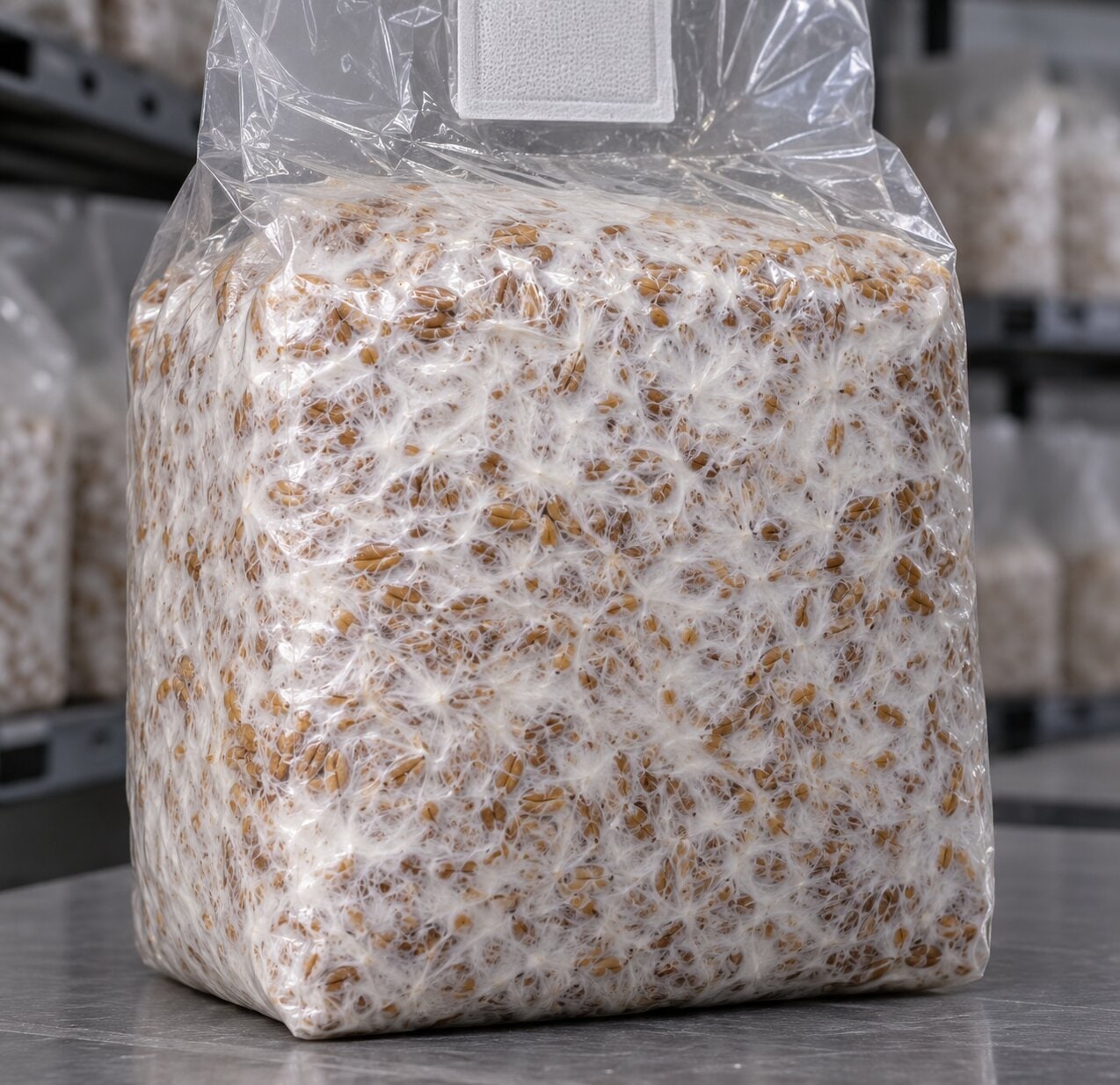
Master grain spawn — 5 kg bag
GREEBZ master grain spawn of the chosen culture. A pure culture on sterile grain substrate. Available in a choice of cultures — list the ones you need in your request. Master spawn is intended for further propagation and the production of production spawn. Grown from a pure culture under sterile laboratory conditions. Specifications - Format: grain spawn in a filter bag (grow bag), 5 kg - Substrate: sterile grain - Producer: GREEBZ
Made by us
On request
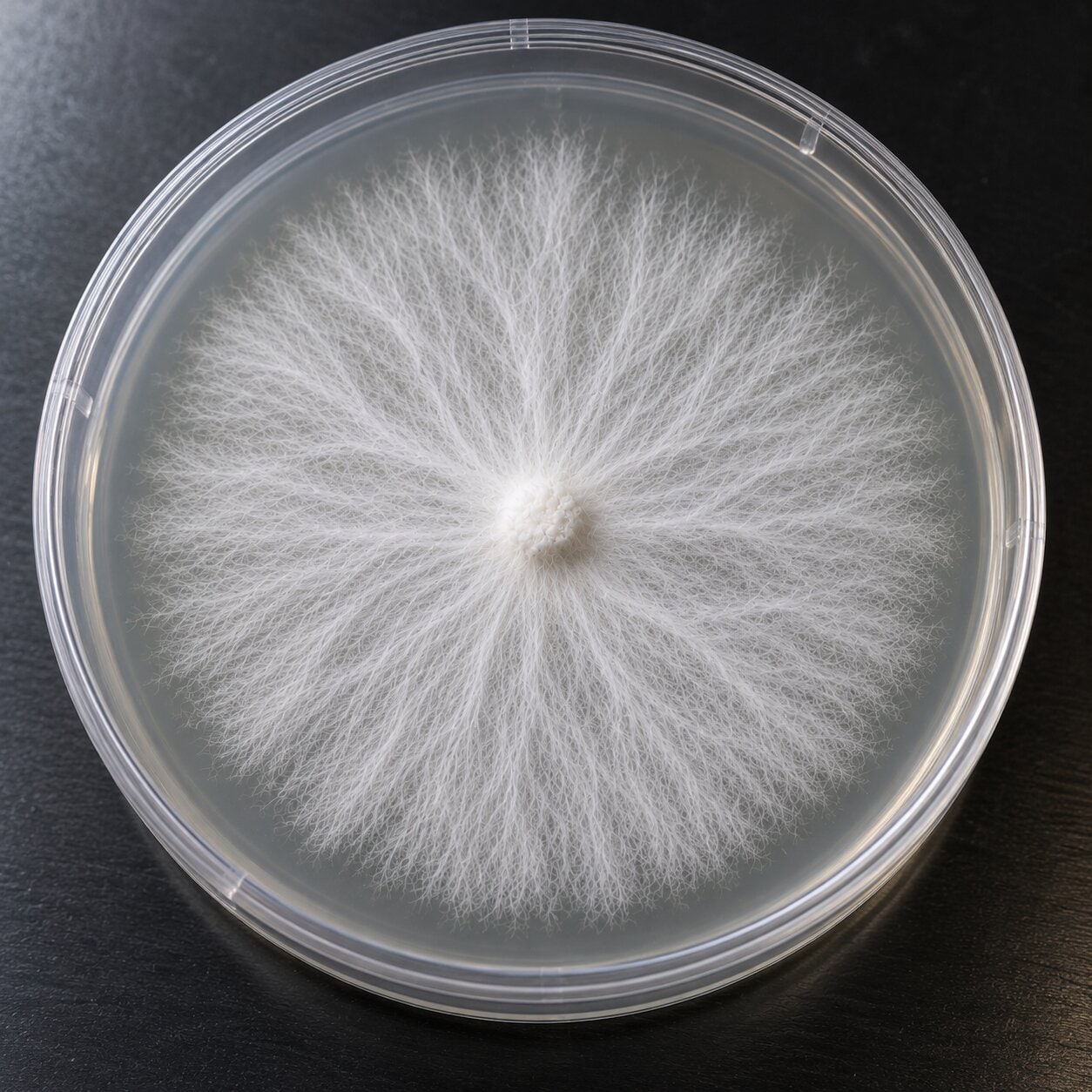
Pure mushroom culture — Petri dish
Pure GREEBZ mushroom cultures on a sterile agar nutrient medium. Available in a choice of cultures — list the ones you need in your request. Pure mushroom cultures grown under laboratory conditions on a sterile agar nutrient medium in Petri dishes. They are intended for further propagation of the culture, transfer to fresh nutrient medium and the production of grain spawn. One chosen culture = one Petri dish. Specifications - Format: pure culture on a sterile agar nutrient medium in a Petri dish - Producer: GREEBZ
Made by us
On request
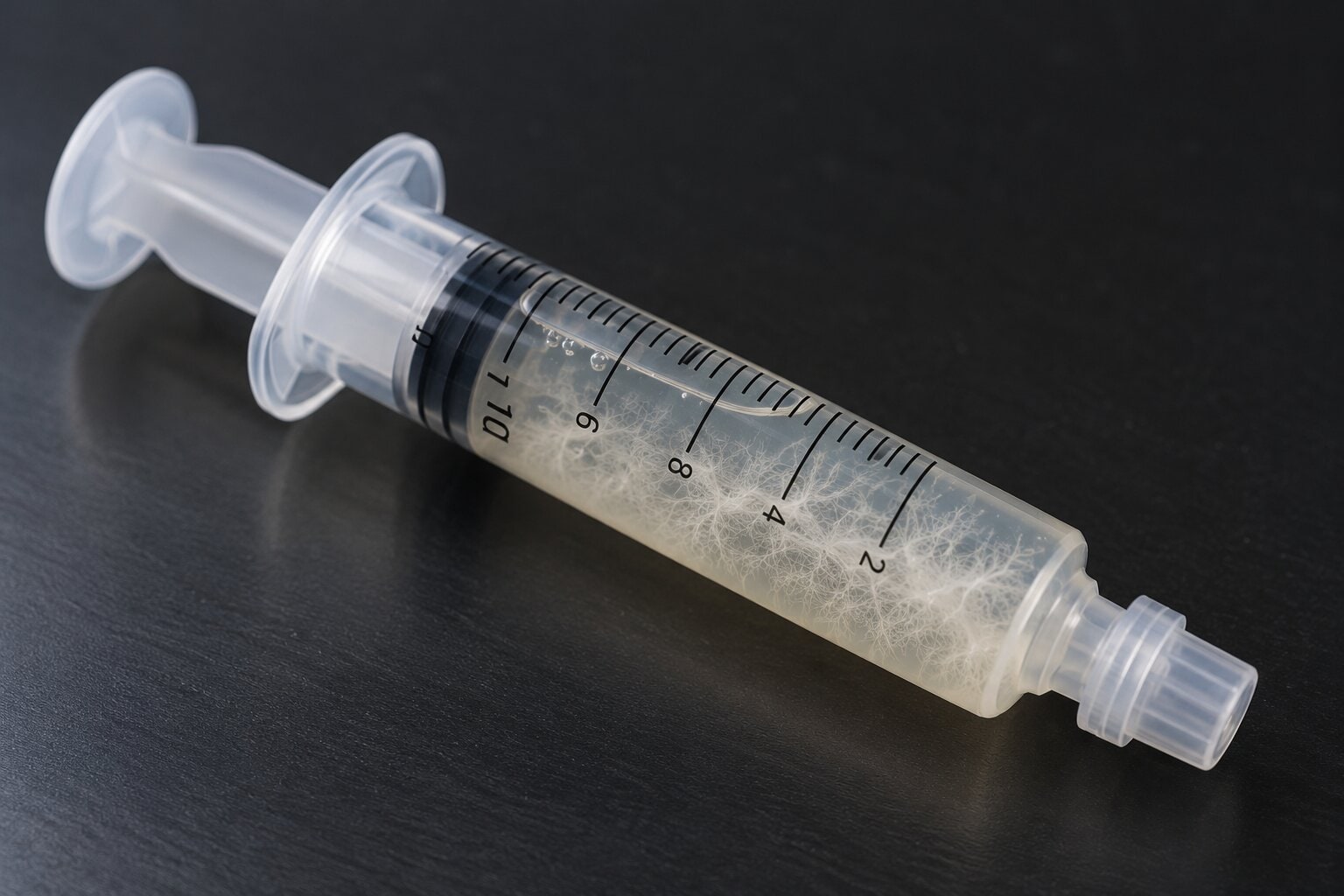
Liquid culture — 10 ml Luer Lock syringe
Pure GREEBZ mushroom liquid cultures. Available in a choice of cultures — list the ones you need in your request. The liquid culture is grown from a pure culture under sterile laboratory conditions. It is intended for inoculating grain substrate and producing grain spawn. Specifications - Format: liquid culture in a sterile Luer Lock syringe, 10 ml - Producer: GREEBZ
Made by us
On request
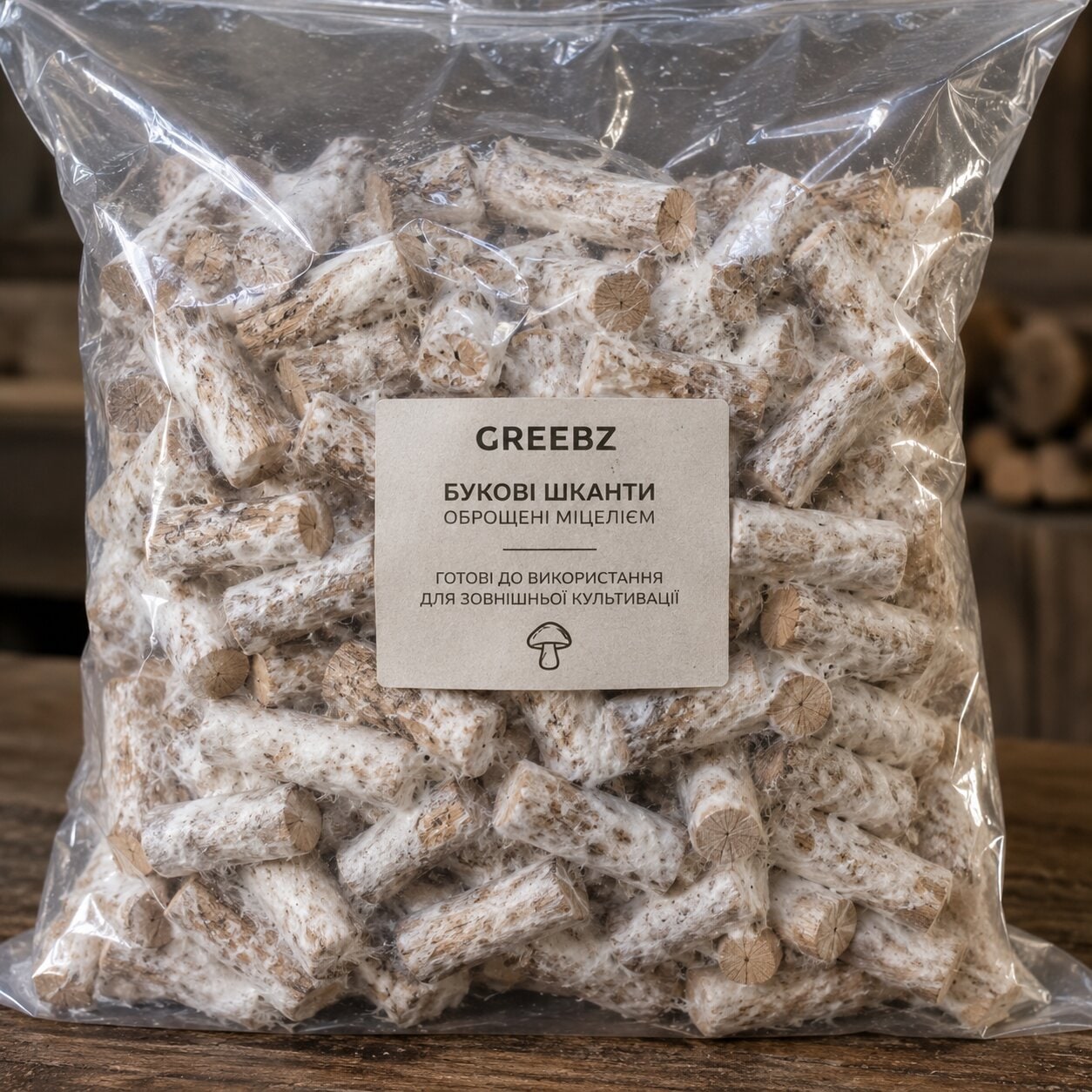
Beech plug spawn colonised with mycelium
Beech dowels colonised with the mycelium of the chosen culture. Ready to use for growing mushrooms outdoors on wood. Pack of 250–300 g. Available in a choice of cultures — list the ones you need in your request. One chosen culture = one pack of dowels. What's included - Beech dowels colonised with the mycelium of the chosen culture Important: wax and cotton wadding are not included. What you'll need for inoculation For working with the dowels we also recommend preparing: - Wax — to seal the holes after inserting the dowels. It closes the inoculation site and protects it from drying out and from the outside environment. - Cotton wadding — can be used for extra treatment and closing of the prepared holes. You will also need: - a drill; - a drill bit of the right diameter for the dowel; - a tool for inserting the dowels; - wood suitable for cultivation. Wax, cotton wadding and tools are bought separately. Specifications - Format: beech dowels colonised with the mycelium of the chosen culture - Pack weight: 250–300 g - Producer: GREEBZ
Made by us
On request
Other entries
Need help with your process?
Describe what's happening, even if you don't know the cause. We'll work it out together.